


What Is Caciocavallo? A Guide to This Traditional Italian Cheese
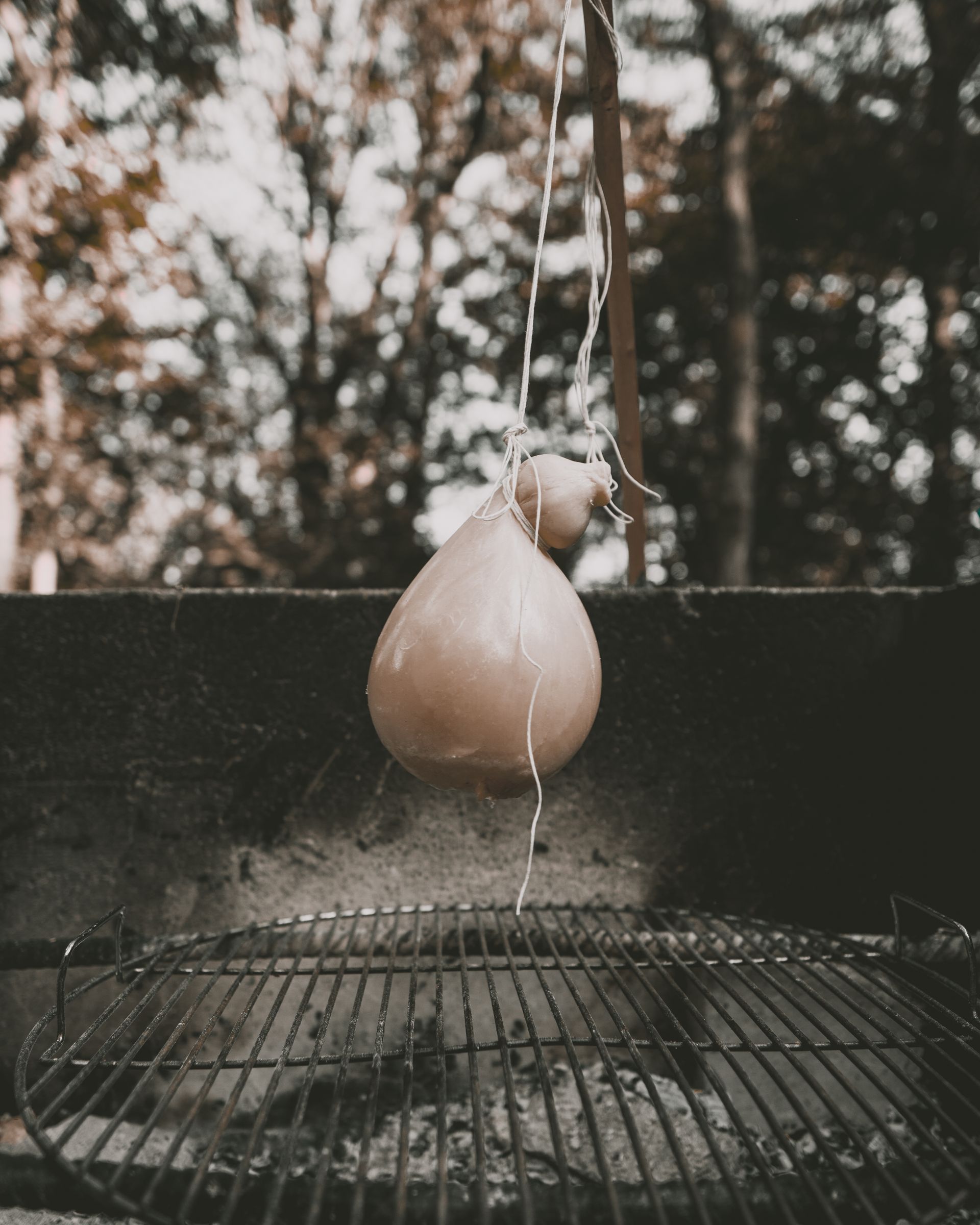
Among the many cheeses Italy is known for, Caciocavallo di Silano is a rarer variety. It looks peculiar, tastes unique, and isn’t as commonly known as other cheeses. Once you’ve tasted it, however, its strong, distinct identity will make it hard to find the same characteristics in other cheeses.
What is Caciocavallo?
What is Caciocavallo? The Caciocavallo di Silano is one of Italy’s oldest Pasta Filata cheese varieties, originating from Southern Italy. Pasta Filata refers to the cheese-making method Italy uses to produce many cheese varieties, including more famous ones such as Provolone, Mozzarella, Moliterno, and Stracciatella
A whole Caciocavallo di Silano is typically made with cow or sheep milk. The cheese texture changes as it ages. Some may find the cheese at its softer, semi-hard, or hard stage, and the description would still be accurate.
When the Italian cheese Caciocavallo is still young, it’ll have a soft, springy texture, similar to Mozzarella. The more it matures, the harder and stringier the texture gets. That’s why you may also find a Caciocavallo categorized as a hard cheese.
The cheese rind is edible and soft when young. It’ll then become rigid and less pleasant to consume as it matures, although some cheese connoisseurs would say that the harder rind adds flavor and texture.
The cheese’s color will also change with aging. Young Caciocavallo is more milky white. It’ll develop a yellow hue before turning brownish as it hardens.
The Gourd Shape
One of the most memorable things about the Caciocavallo di Silano might be its gourd-like shape. Cheesemakers usually form the curd into a rounded body with a narrow neck before binding the cheese. Then, they’ll hang the cheese as it matures.
This cheese aging method is also tied to the name, cavallo, which means saddle-like support or over a beam. This is where the cheese got its distinctive shape.
In addition, a whole tied cheese usually indicates a more traditional presentation. Those with an eye for cheese can also tell it belongs in the same group as the stretched-curd family, but firms up during aging.
Age Stages and Uses
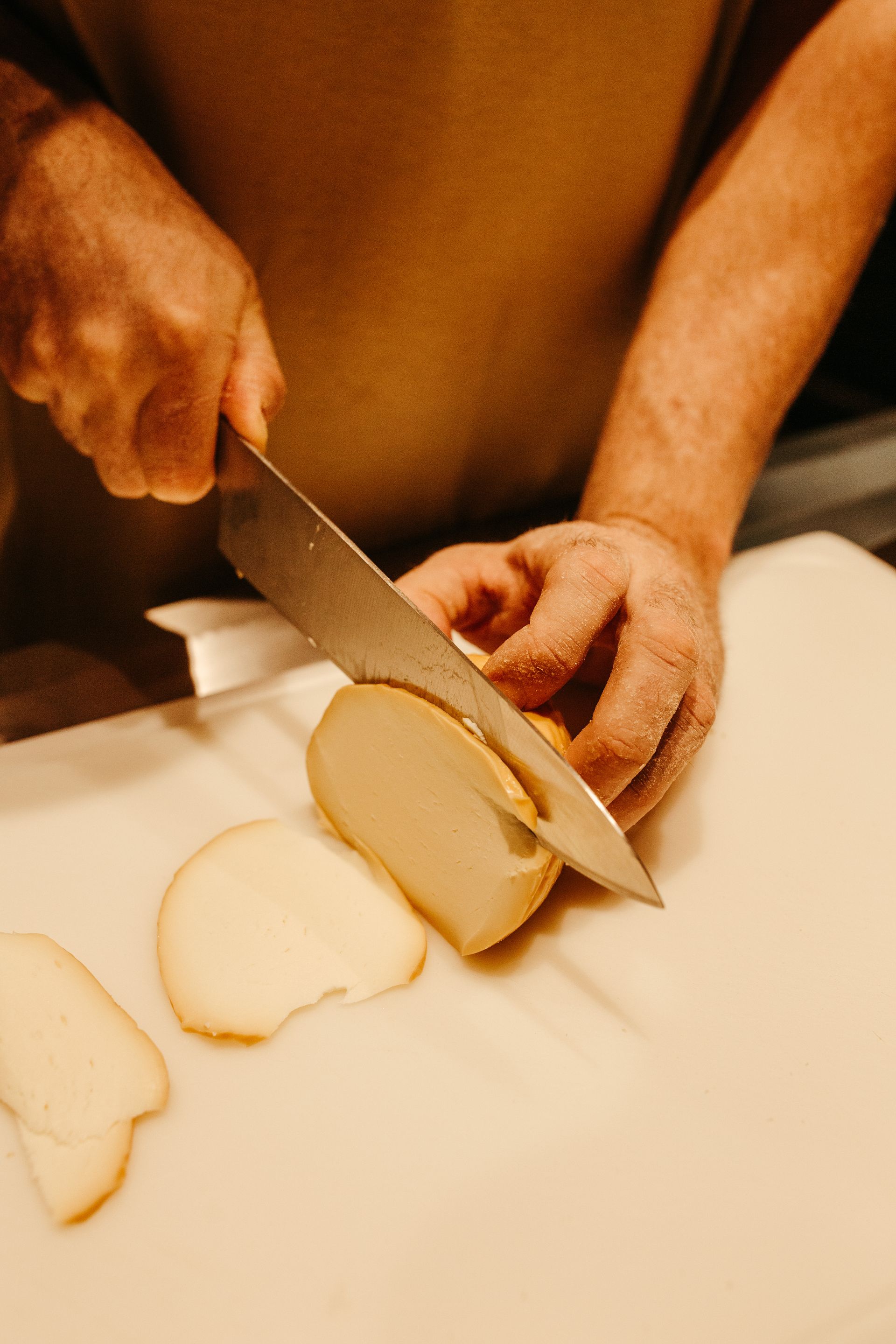
A Caciocavallo di Silano has different uses throughout its ages. They also act differently when heated. So, let’s look at how to use the cheese best depending on its maturity.
Young
The taste notes of a young Caciocavallo are smooth, milky, and sweet. It works best as table slices and is great in sandwiches. It has a gentle melting quality that adds more flair to your snacks.
Mid-Aged
The cheese will be more elastic and will have a savory taste. It's easier to cut and holds its shape better. The firmness works well for grilling, baking, and putting on toast.
Mature
A mature Italian cheese, Caciocavallo, is saltier, more piquant, and drier. You can shave a mature Caciocavallo, and it’ll give you a longer finish on the palate.
Very Firm
A Caciocavallo that’s categorized as a hard cheese is often used as a seasoning. Because of its harder texture, the cheese won’t melt as well as it did in its earlier aging stages.
Buying and Storing Tips
Look for the DOP label, which means the cheese was made in its traditional region under strict rules. Choose a younger cheese for slicing and an older one for grating.
Once cut, wrap it in waxor parchment paper and keep it in the fridge's vegetable drawer. Take it outabout 30 minutes before serving to bring out its full flavor.
Pairing and Serving Ideas
Young Caciocavallo pairsnicely with pears, figs, or honey, while aged cheese suits cured meats, olives,and a bold Southern Italian red.
For something special, try caciocavallo impiccato, or "hanged caciocavallo." The cheese is hung over a fire, and the melting bottom is scraped onto warm bread.
A Cheese Worth Seeking Out
Caciocavallo di Silano may not be as famous as Mozzarella, but that's part of its charm. Whether you slice it young, grill it, or grate it, there's a stage that fits the way you eat. Once you try it, it may become a cheese board regular.