

.jpeg)

What Home Cooks Can Learn From Commercial Fridges
Restaurant kitchens waste far less food than most home kitchens do. A big part of that comes down to how they store things. Professional cooks treat refrigeration as a system, not just a cold box. Home cooks can borrow those habits and eat fresher for it.
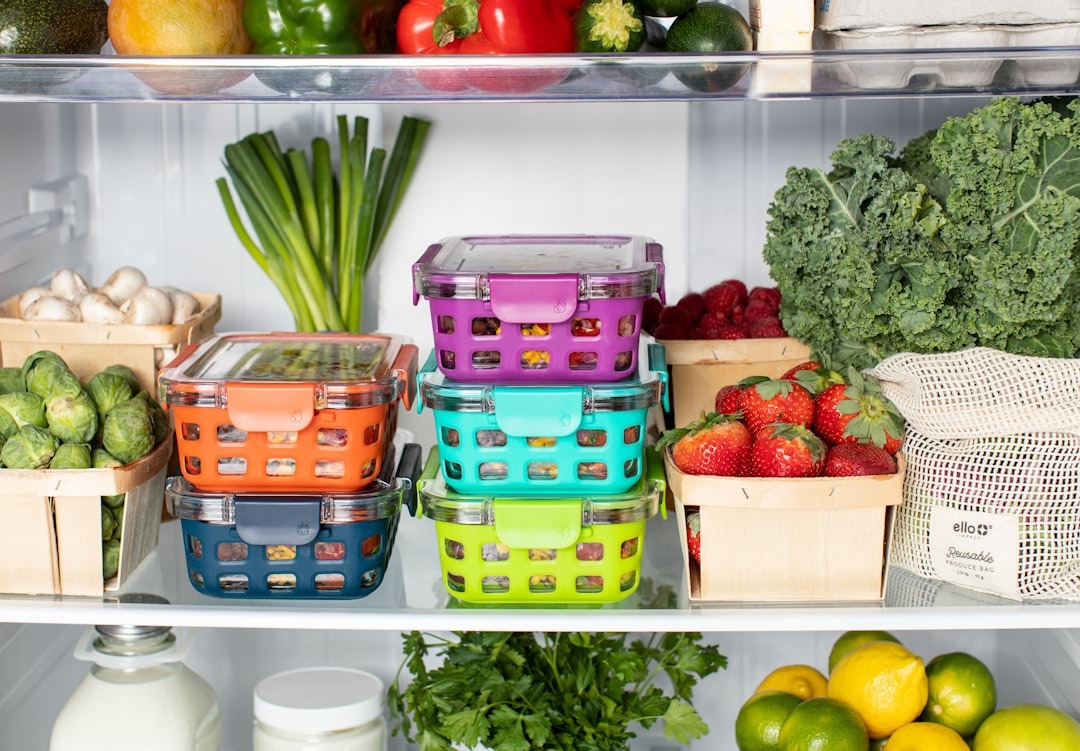
The equipment behind a busy kitchen is built for exactly this job. Specialists like Calgary Commercial Refrigeration supply the gear that keeps food safe at scale, and the principles carry straight home. This guide covers why storage matters, what pros do differently, how to store food safely, and when to upgrade your own setup.
Why Does Food Storage Matter So Much?
Good storage is the quiet difference between fresh food and waste. The average household throws away a striking share of what it buys. Much of that loss traces back to poor storage, not bad cooking. Fixing it saves money and improves what lands on your plate.
The payoff of better storage is real:
- Less waste. Food lasts closer to its true shelf life.
- Real savings. Fewer spoiled groceries each month.
- Better safety. Correct temperatures slow bacteria.
- Nicer meals. Fresh ingredients simply taste better.
Simple habits go a long way, and a few smart storage routines can extend the life of almost everything in your fridge. Households discard roughly a third of the food they buy, so the room to improve is large. Small changes here add up fast over a year.
What Do Commercial Kitchens Do Differently?
Professional kitchens run on systems that never leave freshness to chance. Everything has a place, a label, and a temperature target. That discipline is what keeps a busy restaurant safe and efficient. Most of it scales down to a home fridge with ease.
Here is what the pros do consistently:
- Hold temperature. Fridges stay at or below 40°F.
- Label everything. Dates track what to use first.
- Rotate stock. Older items move to the front.
- Separate raw. Raw meat sits below ready foods.
That last habit, keeping raw meat on the bottom shelf, prevents drips from contaminating other food. The same first-in, first-out logic that runs a restaurant works just as well when you plan a healthy meal prep routine at home. A few professional habits turn a chaotic fridge into an orderly one.
How Do You Store Food Safely at Home?
Safe storage comes down to temperature, containers, and timing. Get those three right and most food lasts as it should. The danger zone, between 40°F and 140°F, is where bacteria thrive. Keeping food out of it is the whole game.
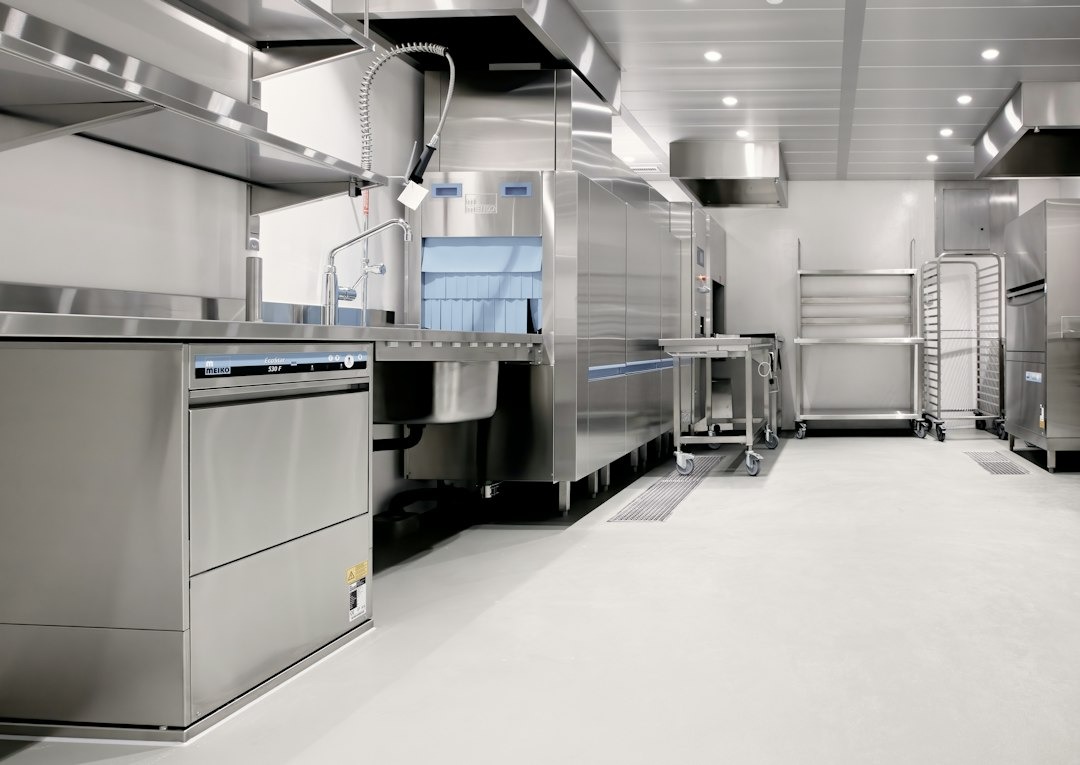
Follow these core rules:
- Check the dial. Keep the fridge at 40°F or below.
- Seal it up. Airtight containers slow spoilage.
- Cool fast. Refrigerate leftovers within two hours.
- Know your limits. Learn how long each food keeps.
How long common foods really last is spelled out in official safe refrigerator storage guidelines. For the science of the danger zone, university extension programs publish detailed food storage for safety. A cheap fridge thermometer is one of the best small buys a home cook can make.
When Should You Upgrade Your Setup?
Sometimes better habits are not quite enough on their own. An aging or undersized fridge can undermine even careful storage. Knowing when to upgrade saves both food and frustration. The signs are usually easy to spot once you look.
Consider an upgrade when you notice:
- Warm spots. The temperature swings or runs high.
- Cramming. You are constantly out of space.
- Frost. Ice builds up where it should not.
- Age. The unit is well past its prime years.
Home cooks who love to batch cook or make meals from pantry staples often outgrow a basic fridge sooner than they expect. The commercial world offers durable, precise equipment for those who need serious capacity. Whether you upgrade at home or kit out a small food business, the right cold storage pays for itself in saved food.
Keeping Your Kitchen Running Like a Pro
The gap between a wasteful kitchen and an efficient one usually comes down to storage. Hold a steady temperature, seal food properly, label and rotate what you have, and keep raw meat separate. Learn how long each item really lasts, and cool leftovers quickly to stay out of the danger zone. When habits alone stop cutting it, better equipment closes the gap. Borrow these few professional routines and your kitchen will waste less, spend less, and serve fresher food all year.
Frequently Asked Questions
What Temperature Should My Refrigerator Be?
Keep your refrigerator at 40°F or below, and your freezer at 0°F. This range slows the bacteria that cause spoilage and foodborne illness. Many home fridges run warmer than people assume, so a cheap appliance thermometer is worth buying. Check it now and then, since a dial setting alone does not guarantee the real temperature.
How Can I Make My Groceries Last Longer?
Store food in airtight containers, keep the fridge at the right temperature, and use a first-in, first-out system so older items get eaten first. Cool leftovers within two hours and learn the real shelf life of what you buy. Labeling with dates helps too. These small habits, borrowed from professional kitchens, cut waste dramatically.
Why Do Restaurants Keep Raw Meat On the Bottom Shelf?
To stop juices from raw meat dripping onto other food and contaminating it. The bottom shelf is also usually the coldest part of the fridge, which suits raw protein. It is a simple, powerful rule any home cook can copy. Pair it with sealed containers for an easy safety upgrade.
Is a Commercial Fridge Worth It for a Home Kitchen?
For most homes, a good-quality domestic fridge is plenty. Commercial units make sense if you batch cook heavily, run a home-based food business, or need serious, reliable capacity. They are built for precise temperatures and constant use. Weigh the space, cost, and your real volume before deciding whether the extra power is worth it.