


The Restaurant Details Customers Judge You On (Before the First Bite)
Diners form opinions fast. Long before a plate reaches the table, they have already scanned, sniffed, touched, and quietly graded dozens of small details. Most of those judgments happen without a word being said. Some happen before anyone even sits down.
That is the uncomfortable truth about running a restaurant. The food matters, but it arrives late in the story. By the time the first bite lands, a customer has usually decided whether they trust you. Everything that follows either confirms that impression or fights against it.
The good news is that these early signals are within your control. They cost less than a menu overhaul, and they pay off every single service. Here is a closer look at the details customers notice first, and what each one quietly tells them about your business.

The Entrance Sets the Tone in Seconds
First impressions start at the curb. A smudged glass door, a burnt-out bulb over the sign, a doormat curling at the edges — none of these things ruin a meal on their own. Together, they whisper a message: nobody here is paying attention.
Customers extend that logic to your kitchen. If the visible parts of the restaurant look neglected, they assume the hidden parts are worse. It is not always fair. It is, however, predictable.
Small Fixes That Change the Math
Walk your own entrance once a week as if you had never seen it. Clean the glass. Replace tired signage. Sweep the sidewalk, even if the city technically owns it. Check that the door opens smoothly and does not stick. A door that requires a shoulder shove is a strange way to say welcome.
Lighting deserves special mention. Warm, working exterior lights signal safety and care. Flickering ones signal deferred maintenance, and diners notice deferred maintenance everywhere once they spot it once.
Smell Is the Fastest Judge in the Room
Scent works faster than sight. A customer stepping inside processes the smell of your dining room before they consciously register anything else. Fresh bread, coffee, garlic in olive oil — these build appetite and expectation. Stale grease, damp mop water, or heavy air freshener do the opposite.
The tricky part is that staff go nose-blind within minutes of a shift starting. You cannot rely on your own senses here. Ask a trusted friend to walk in cold and report honestly. Better yet, step outside for ten minutes and come back through the front door yourself.
Ventilation is usually the culprit behind persistent odor problems, not cleaning effort. If the dining room smells like the fryer, the fix lives in your HVAC system, not your mop bucket.
Restrooms: The Room That Tells the Whole Truth
Ask regular diners how they judge a restaurant's cleanliness and most will give you the same answer. The restroom. It is the one space customers inspect alone, unhurried, and up close. Fair or not, they treat it as a proxy for your kitchen — a room they will never see.
The logic goes like this: the restroom is cleaned by the same team, on the same schedule, with the same standards as everything else. If it fails, everything else is suspect.
What Customers Actually Look At
Cleanliness is the baseline, but it is not the only signal. Customers notice whether fixtures work, whether soap and paper are stocked, and whether the room feels maintained or merely tolerated. Broken locks, wobbly hardware, and graffiti-scratched surfaces all register, even when the floor is spotless.
Partitions carry more weight in this equation than most owners realize. They are the largest surfaces in the room, they define how private and secure the space feels, and they take constant abuse from moisture, cleaning chemicals, and daily traffic. Rusting brackets, sagging doors, and delaminating panels make even a freshly cleaned restroom feel run-down. Sturdy, well-fitted stalls do the opposite — they make the whole room read as solid. Owners upgrading older facilities often start by pricing materials like powder-coated steel, solid plastic, or phenolic; suppliers of restroom partitions in Chicago and other major markets typically offer all three, each with different lifespans in high-humidity environments. Solid plastic and phenolic cost more upfront but shrug off moisture that eats cheaper materials within a few years.
Accessibility belongs in this conversation too. Stall dimensions, grab bars, and clearances are not optional details — they are legal requirements under the ADA's accessibility standards, and customers with mobility needs judge you on them immediately.
Menus Are Touched Before Food Is Tasted
The menu is often the first thing a customer physically handles. A laminated page with peeling corners, sticky spots, or faded print undermines every dish listed on it. If the menu itself looks tired, the descriptions read differently.
Paper menus that get replaced regularly beat laminated ones that get wiped occasionally. QR codes solve the hygiene question but frustrate diners who prefer not to squint at a phone. If you use them, offer a physical option without making people ask.
Typos deserve a quick word. One misspelled dish name seems minor. Three of them suggest carelessness, and diners quietly wonder where else that carelessness lives.
Staff Signals: Posture, Pace, and the First Thirty Seconds
Customers read your team the way they read the room. A host who greets people within a few seconds — even just eye contact and a nod during a rush — tells guests they have been seen. Being ignored at the door for two minutes feels far longer than it is.
Uniforms do not need to be formal. They need to be clean and consistent. Wrinkled aprons and stained shirts read as understaffing or low standards, and both interpretations hurt you.
Watch how your team moves during slow periods. Staff leaning on the counter scrolling phones sends a different message than staff wiping tables or restocking. Customers absorb these cues without thinking about them.
Tables, Chairs, and the Wobble Test
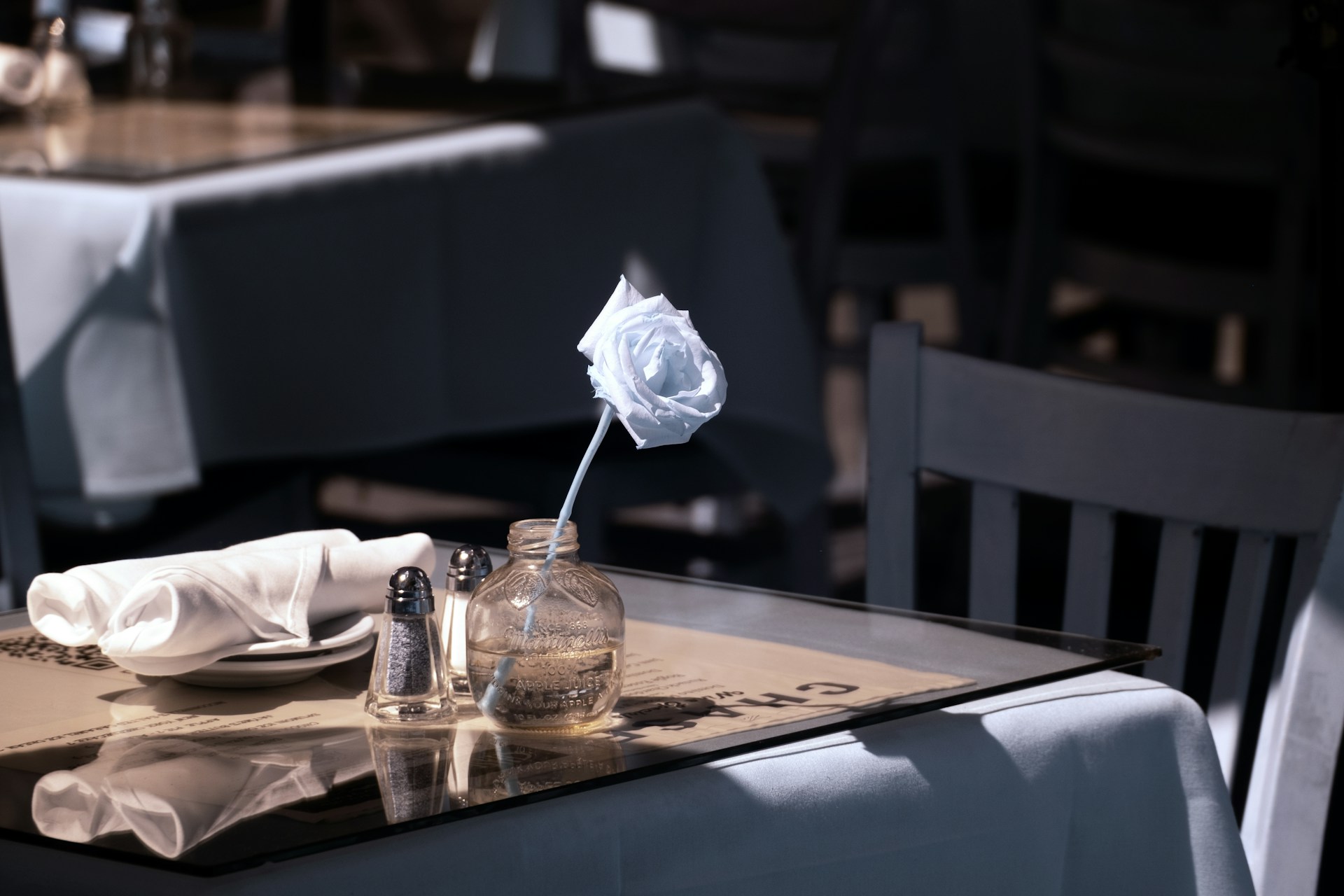
A wobbly table is a small thing that becomes a big thing over the course of a meal. Every clink and tilt reminds the diner that details slipped. The same goes for chairs with torn upholstery, condiment bottles with crusted caps, and salt shakers with clumped contents.
Table settings work as a preview. Spotless glassware and matching flatware suggest a kitchen that plates with the same care. Water spots and mismatched forks suggest the opposite. Research on service environments consistently shows that physical surroundings shape how customers evaluate quality — the well-known servicescape framework has documented this effect for decades.
Sound and Temperature: The Invisible Details
Noise level is a detail customers rarely mention but always feel. A dining room that forces guests to shout wears them out before dessert. Hard surfaces bounce sound; a few acoustic panels or soft furnishings can transform the experience without changing the look.
Temperature works the same way. Too cold, and guests rush through their meal. Too warm, and appetites shrink. Neither shows up in reviews as "the thermostat was wrong" — it shows up as a vague sense that the visit was uncomfortable.
The Takeaway: You Are Always Being Graded
Every detail in this list shares one trait: customers judge it silently. They rarely complain about a dim entrance, a tired menu, or a shaky stall door. They simply file the impression away, let it color the meal, and factor it into whether they return.
That silence is what makes these details dangerous — and valuable. Competitors who ignore them lose points they never knew were on the board. Owners who audit them regularly earn trust before the kitchen fires a single ticket.
Walk your restaurant this week as a first-time guest would. Start at the curb, end in the restroom, and be honest about what you find. The first bite will taste better for it.