


The Ingredient List on My Supplement Surprised Me More Than My Recipes
I read ingredient lists the way some people read the news. Obsessively, slightly suspiciously, and usually while standing in a grocery store aisle holding something up to the light like I'm examining evidence. The kids have learned to wander toward the snack section and wait.
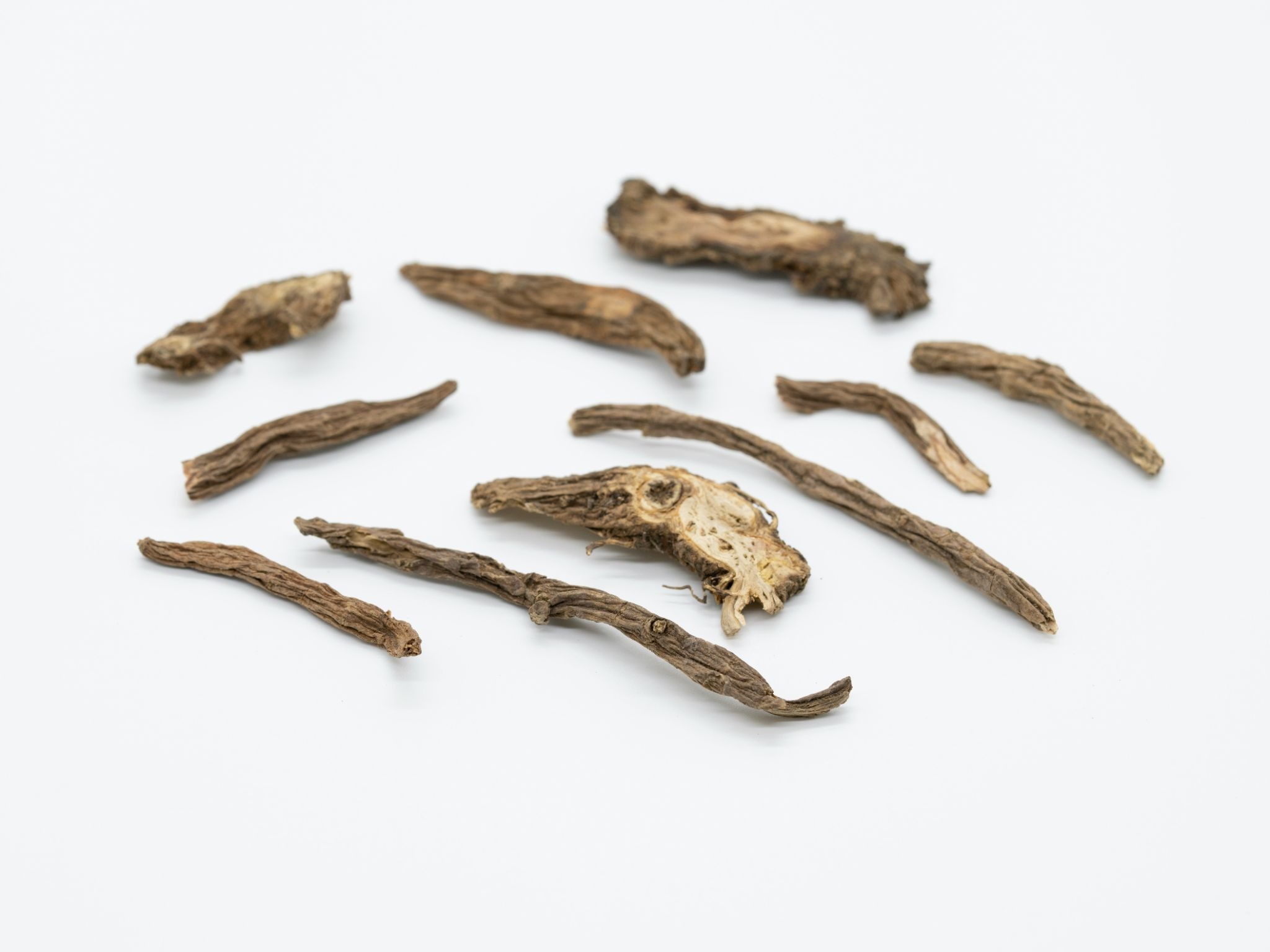
So when I started looking more seriously at supplements last year, I figured I knew what I was getting into. A few vitamins, some minerals I'd half recognize, maybe a probiotic strain with a Latin name I'd cheerfully mispronounce.
What I did not expect was to find myself reading a supplement label with the same kind of genuine interest I bring to a really good recipe. The kind where you look at the ingredient list and think: whoever put this together actually knows what they're doing.
That caught me off guard in a way that not many things in the kitchen do anymore.
How Recipe Reading Changes the Way You See Everything
There's a particular skill that comes from years of cooking from scratch and actually paying attention to what you're doing.
You start to understand that ingredients are not interchangeable. That the specific variety of tomato matters. That the way fat behaves at different temperatures is not a detail, it's the whole point. That a recipe built around one hero ingredient with supporting players chosen to amplify it is a fundamentally different thing from a list of whatever happened to be in the pantry.
You also get good at spotting when something has been thrown together versus when it has been thought through. The difference shows in the list. Too many ingredients trying to do too many things at once. Flavors that fight each other instead of building. Quantities that suggest the recipe writer was guessing rather than cooking.
I carry all of that into every ingredient list I read, which is why most supplement labels leave me cold. They tend to read like a pantry cleanout rather than a recipe. A long column of things that might technically belong together but show no real evidence that anyone thought hard about why.
The List That Made Me Stop and Actually Read
I came across Enclave BioActives through a conversation about gut health that went longer than I expected, which is a sentence I would not have predicted writing three years ago. Enclave has a flagship product called Emma, and it's built around gut and microbiome balance using a set of plant-based ingredients that, when I started looking into them properly, turned out to be considerably more interesting than the label of most things I pick up at the drugstore.
Chicory root inulin. Berberine. Resveratrol. Star anise. Licorice root extract. Quercetin.
I stood there reading that list the way I stand in front of a really good restaurant menu. Not overwhelmed. Curious. Because I recognized most of these from cooking and from reading about food, and I knew enough about each of them to understand that they weren't decorative.
They were doing specific things, chosen for specific reasons, and the combination had the feel of something put together by people who understood how ingredients interact rather than just stacking them up and hoping for the best.
That's a rare thing on a supplement label. Genuinely rare.
What Those Ingredients Are Actually Doing
Chicory root inulin is a prebiotic fiber, which means it doesn't just pass through the gut on its way out. It feeds the beneficial bacteria already living there, which is a fundamentally different approach from simply adding more bacteria and hoping they survive the journey. You're gardening the microbiome rather than just planting in it.
Berberine is a plant compound with a long history in traditional medicine that has more recently attracted serious scientific attention for its effects on blood sugar regulation, gut bacteria balance, and the kind of low-grade inflammation that hums in the background of a lot of digestive discomfort.
It's bitter, which anyone who has cooked with barberries already knows, and bitterness in food has always been a signal that something metabolically interesting is happening.
Resveratrol shows up in red grapes and red wine, which is either convenient or suspicious depending on your level of cynicism. Its role here relates to its antioxidant properties and its effect on the gut lining. Star anise, which I use in braising liquids and spice blends, has antimicrobial properties that are well documented. Licorice root has been used for digestive support across multiple culinary and medicinal traditions for centuries.
None of this is random. That's what the list communicates, if you know how to read one.
The Part That Actually Changed How I Think About Cooking
Here's where it gets interesting for someone who spends as much time in the kitchen as I do. Looking closely at those ingredients made me think differently about what I was already cooking with and why certain dishes have always made me feel genuinely good versus just full.
The miso I stir into sauces at the end of cooking. The kimchi that ends up alongside almost everything in our house. The long-cooked beans that show up in soups and stews all winter. The bitter greens I've always been drawn to even when I couldn't have told you exactly why. The garlic and onion that form the base of practically everything.
These things are not just flavor. They're feeding something specific, and the microbiome research is essentially the science that explains what my instincts as a cook have been doing all along.
I find that genuinely satisfying in the way that understanding a technique you've been doing by feel is satisfying. Not because it changes what you do, but because it makes sense of it.
The Difference Between a Formula and a Recipe
What struck me most about the Enclave approach is that it operates on the same logic as good cooking. Ingredients chosen for what they specifically do. Combinations designed to amplify rather than muddle. A central purpose that everything on the list is working toward. The microbiome is the dish. Every ingredient has a job.
Most supplements don't think this way. They're the kitchen equivalent of throwing everything in the pan at high heat and calling it dinner. Technically food. Not actually considered.
What I Do Differently Now
Not a lot, honestly. The cooking hasn't changed much because the cooking was already heading in the right direction by accident. More fermented things. More fiber. More bitter and sour flavors that tend to get left out of comfort food because they're harder to love immediately even though they're doing important work.
What changed is the reading. I'm better now at looking at an ingredient list and understanding what it's trying to accomplish and whether it's thought through. The same skills I've been building in the kitchen for years apply directly, and it turns out that's a more useful lens than whatever I thought I was going to bring when I first picked up that label.
The recipes still surprise me. But the supplement came close.