



The Hidden Laws Behind Your Dinner: How Food Labeling Protects Consumers

You stand in the supermarket aisle, staring at two jars of pasta sauce. One says “all natural,” the other shouts “no added sugar.” You probably compare price, maybe calories, maybe a quick glance at the ingredient list. What you do not see is the dense web of rules, regulations, and enforcement that shape every word and number on those labels.
Food labeling laws are often invisible to consumers, but they quietly protect health, prevent fraud, and empower people to make informed choices. Understanding how those laws work does not just make you a smarter shopper; it also shows how law and everyday life intersect in surprisingly practical ways. This same intersection is a common focus in many assignments, which is why students so often turn to a custom law essay writing service when they need a structured analysis of real-world regulation.
Below is a closer look at the hidden legal framework behind your dinner, organized into clear sections you can skim like a label itself.
What Is Food Labeling and Why It Matters
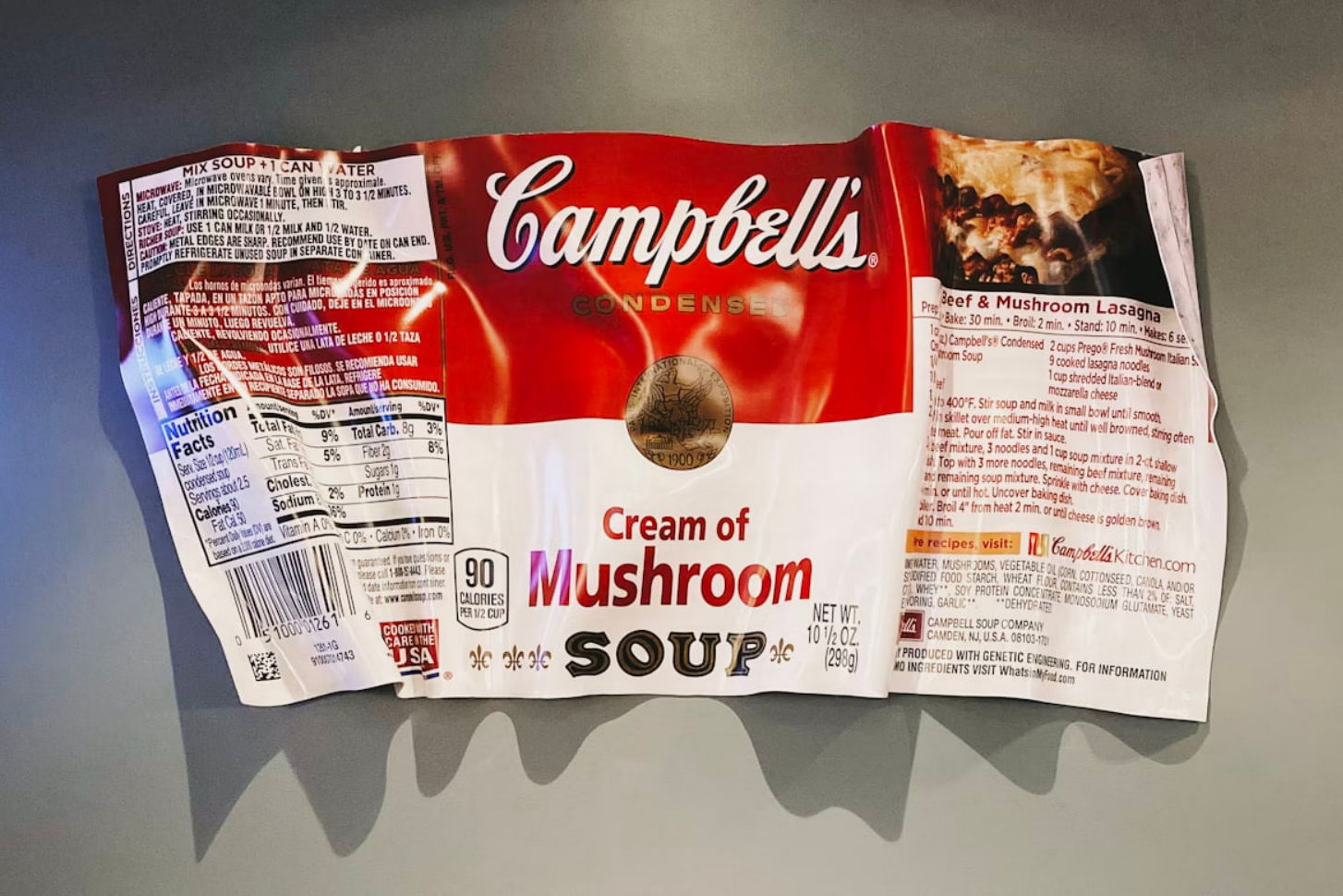
Food labeling is more than just a sticker on a package. It is a legally regulated communication between producers and consumers. A typical label includes:
- Product name
- Ingredient list in descending order by weight
- Allergen information
- Nutrition facts (calories, fats, sugars, etc.)
- Storage instructions and expiration or “best before” dates
- Manufacturer information and sometimes traceability codes
These elements are not optional decoration. Governments use food labeling requirements to reduce risks like allergic reactions, contamination, and deceptive marketing. Proper labeling helps consumers with medical conditions (such as diabetes or celiac disease) manage their health and reduces the power imbalance between large companies and individual shoppers.
The Legal Framework Behind Food Labels
Behind every standardized nutrition table is a network of statutes, regulations, and enforcement agencies. Legislators set broad rules, regulators translate them into technical detail, and inspectors or courts handle violations.
Many systems:
- Specify mandatory information (for example, energy, fat, salt, sugar).
- Define how nutrients must be measured and presented (per 100g, per serving).
- Regulate health and nutrition claims like “low fat,” “high fiber,” or “sugar free.”
- Require clear labeling for major allergens and certain additives.
For law students, food labeling is a rich case study in how legislation, administrative rules, and public policy interact, exactly the type of topic that might feature in a research assignment or be discussed with a law essay writing service focused on regulatory issues.
How Labels Protect Health and Safety
The most obvious function of labeling laws is to protect public health. When a label states “contains peanuts” or “may contain traces of nuts,” it is responding directly to serious, sometimes life-threatening risks. Failing to declare such allergens can result in fines, product recalls, and even criminal liability in extreme cases.
Beyond allergens, labeling rules also address:
- Microbiological risks through “use by” dates on perishable items.
- Chemical risks through limits and disclosure requirements for additives, preservatives, and colorants.
- Nutritional risks through standardizing how information on salt, sugar, and fats is presented.
Clear, accurate labels allow consumers to compare products and select those that support long-term health goals, whether that means reducing sugar intake, avoiding trans fats, or increasing fiber.
Marketing Tricks vs Legal Requirements
Not everything on a package is tightly defined in law. This is where marketing tries to stretch the boundaries without crossing legal lines.
Common gray areas include:
- Vague claims like “natural,” “wholesome,” or “farm fresh” may not have strict legal definitions.
- Highlighting one positive attribute (“high protein”) while downplaying others (very high sugar).
- Using imagery (fields, barns, “handwritten” fonts) to suggest an artisanal origin for heavily processed foods.
Here are practical ways to see past the front-of-pack messages:
- Focus on the ingredient list and nutrition table, not just bold claims.
- Watch for long lists of additives or sweeteners under different names.
- Compare similar products side-by-side per 100g, not just per serving.
- Treat “health halos” (organic, gluten-free, vegan) as information, not proof of overall healthiness.
This is where consumers often need simple explanations rather than complex statutes, something that good legal communicators and those offering law essay help strive to provide.
What Consumers Can Do With This Information
Knowing that labels are governed by law changes how you read them. Shoppers can act more confidently by:
- Challenging misleading claims: If something looks suspicious, check the detailed information on the back.
- Reporting issues: Undeclared allergens, foreign objects, or false claims can often be reported to food safety authorities.
- Supporting trustworthy brands: Companies that go beyond minimum legal requirements (e.g., clearer origin labeling, transparent sourcing) reward informed consumers with better information.
- Using apps and guides: Many tools decode nutrition labels and highlight key red flags such as high salt or sugar content.
When you see labels as part of a legal system rather than just packaging, you gain leverage in the marketplace.
Why Food Law Matters Beyond the Grocery Store
Food labeling laws are a practical demonstration of how regulation shapes everyday life. They illustrate big legal themes: the balance between freedom and protection, the role of the state in markets, and how scientific evidence is translated into rules.
For policymakers, labeling is a tool to nudge societies toward healthier diets. For businesses, it is both a compliance obligation and a branding opportunity. For students and researchers, it is an accessible entry point into administrative and consumer protection law.
And for everyone else, those small black-and-white boxes on the back of the box are a reminder that the law is not just something in courtrooms or textbooks—it is right there on your dinner table, every day.