

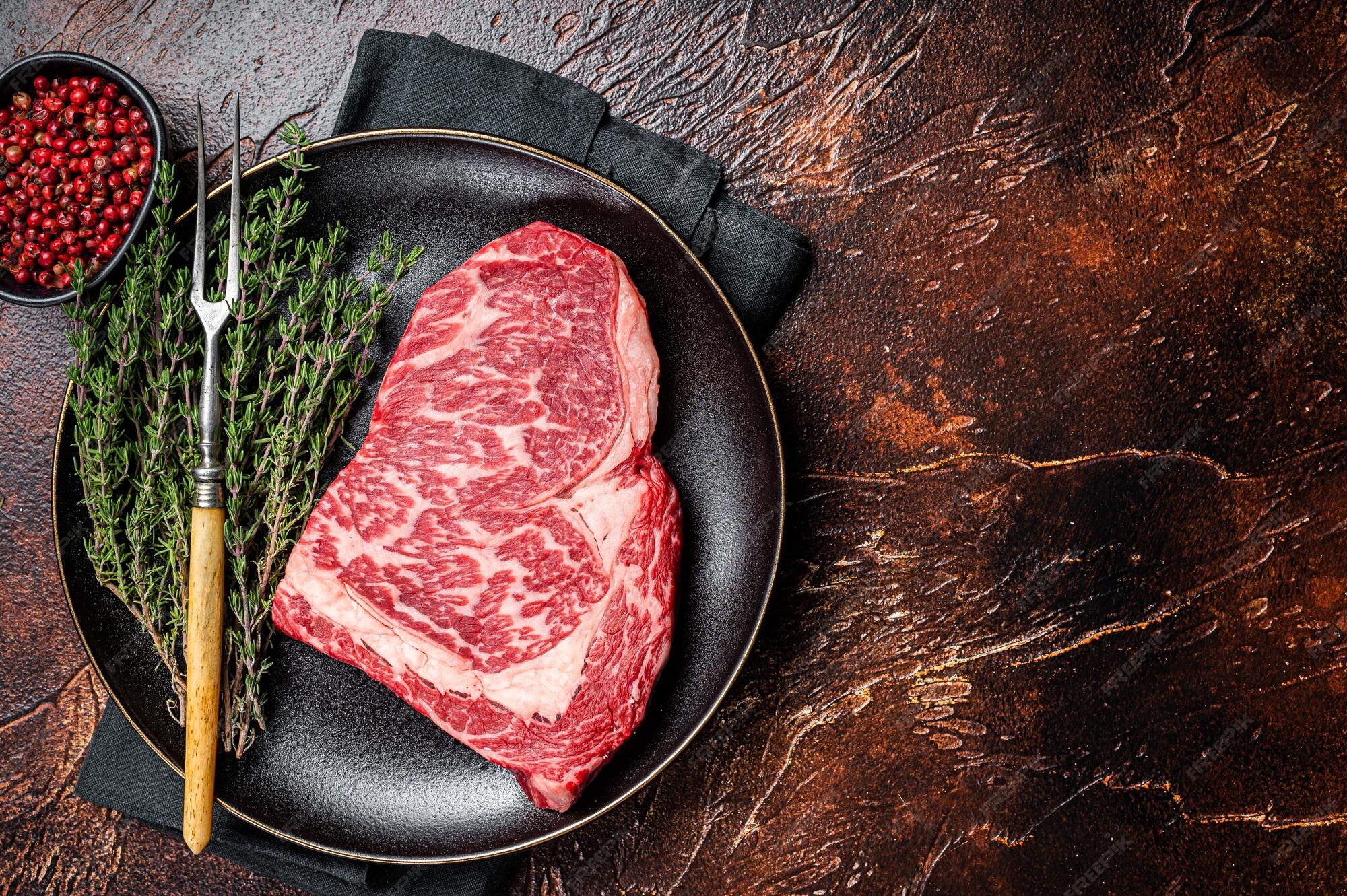

The Benefits of Selecting Well-Marbled Ribeye for Your Next Dinner
A well-chosen steak can turn a simple dinner into a memorable meal. The cut, texture, and internal structure of the meat all shape the final flavor. Well-marbled steaks deliver traits that stand out once heat meets fat. Let’s explore how this choice can elevate a dining experience.
Fat Lines That Shape Flavor
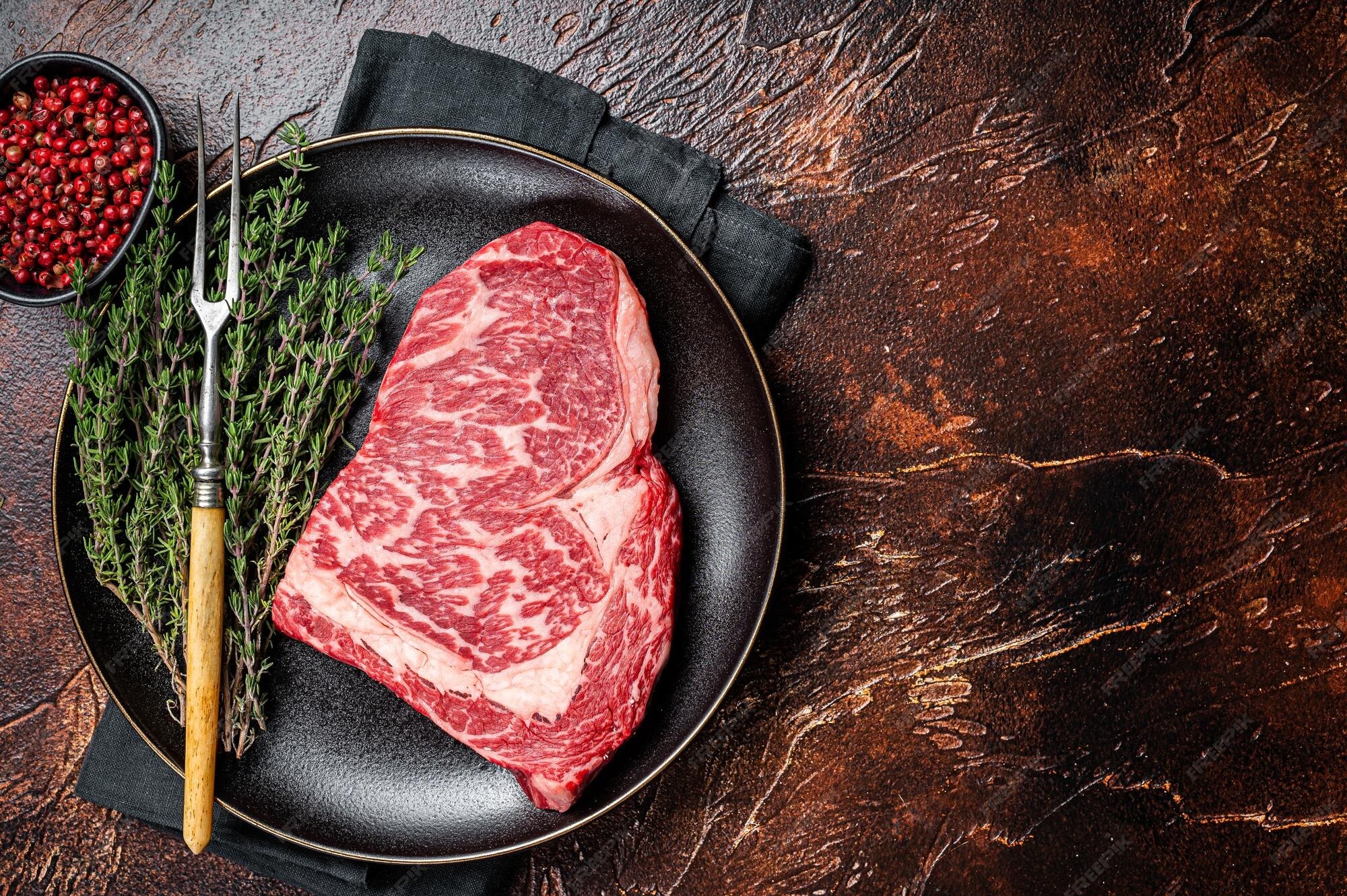
Many cooks select a Ribeye when they want a strong flavor supported by natural fat channels. Marbling refers to the fine streaks of fat inside the meat that melt during heat exposure. As the fat softens, it adds richness and depth across each bite. This process helps with creating a balanced blend of meat and moisture.
How Heat Reacts with the Fat
Heat influences fat at a slow and steady pace. As the streaks soften, they coat nearby fibers to enhance texture. This movement supports the mouthfeel without heavy effort from the cook. The result is a cut that holds moisture inside.
Texture That Supports Many Meal Styles
The tender texture of this cut lends itself to a range of dinner themes. It can serve as a centerpiece for a formal plate or a casual meal without losing its appeal. The softness of the meat aids in maintaining comfort with each bite. This makes the cut versatile for many kitchen goals.
Texture also shapes how the cut pairs with sides or sauces. Crisp vegetables can offer contrast, while smooth sauces can support the natural richness. Each pairing works with the meat rather than competes with it. This structure ensures a balanced dish with steady flavor.
Aroma and Depth That Develop on the Grill
Grill heat can draw out aromas that define the meat. Once the fat begins to soften, the distinct scent becomes more pronounced. This aroma sets the tone before the first bite even reaches the plate. It may help improve the overall dining mood.
How aroma elements influence the meal:
• Soft fat tones that rise as heat builds
• Gentle smokiness from the grill surface
• Light char that adds depth without bitterness
• Subtle sweetness from concentrated natural juices
Each element works together to lift the dish with confidence. The interplay between scent and flavor offers a sense of fullness. These traits remain consistent whether the cook prefers a quick sear or slower heat. The aroma adds an extra layer of satisfaction.
Even Cooking Across the Surface
Well-marbled cuts show reliable performance across the entire surface. Fat distribution ensures that heat reaches areas of the meat at a similar rate. This supports even results without dry pockets or tough edges. It gives cooks more control over the final texture.
Even heat flow lends predictability to the cooking process. A consistent steak can also support varied skill levels in the kitchen. This trait helps with reducing stress during prep or timing. Each slice holds steady moisture and uniform tenderness.
Flavor Matches That Create Balance
The richness of this cut pairs well with sides that offer contrast. A crisp salad or roasted root vegetables can balance the depth of the meat. A simple herb butter can lift the taste without masking the natural profile. These ideas encourage harmony on the plate.
Seasonings can stay subtle since the cut carries strong flavor on its own. Mild herbs like thyme or parsley can add brightness. A light sauce with acidity can round out the dish. These small choices guide the meal toward balance and clarity.
A well-marbled cut such as Ribeye can bring strong flavor, balanced texture, and steady performance to any dinner plan. Each trait supports ease in the kitchen while offering depth on the plate. With thoughtful pairings and steady heat, the cut can become a reliable favorite for many meals.