


The Art of Food: How Culinary Inspiration Transforms Your Home
Food and art have always shared a deep, instinctive connection. Both engage the senses, tell stories, reflect culture, and bring people together. In the home, this relationship becomes especially powerful in kitchens and dining spaces, where daily rituals meet creativity. Decorating these spaces with art inspired by food, ingredients, and culinary culture transforms them from purely functional rooms into expressive, welcoming environments.
Food as an Artistic Language
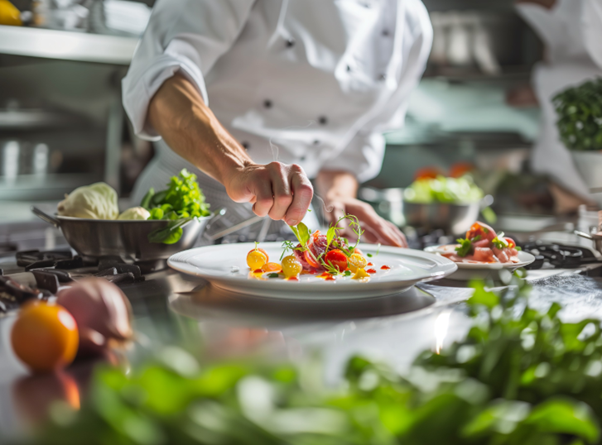
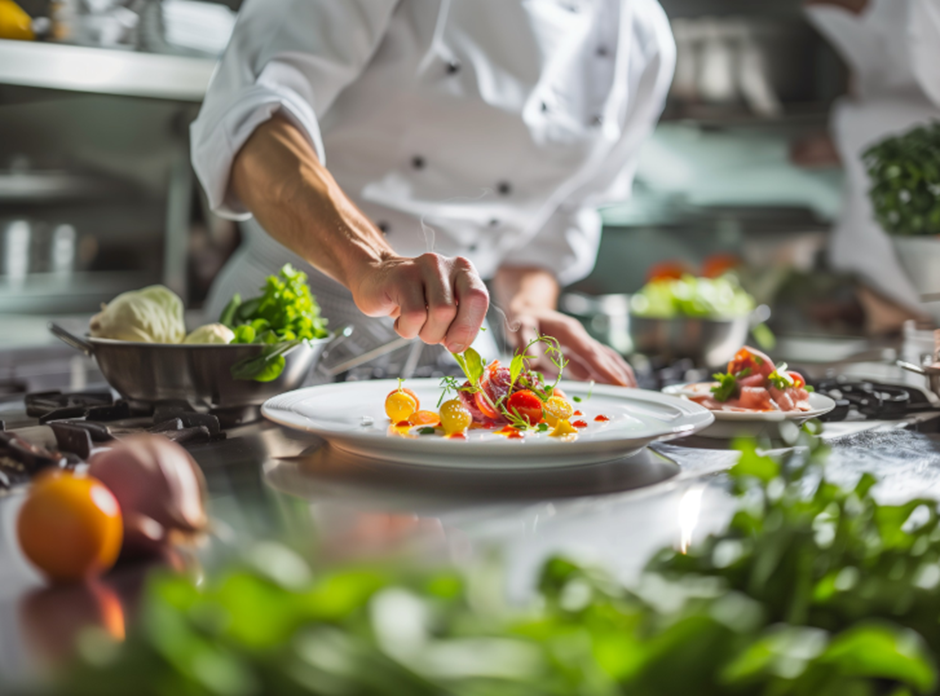
Food is more than nourishment. Colors, textures, shapes, and presentation turn meals into visual experiences long before the first bite. Think of the symmetry of a carefully plated dish, the contrast of fresh herbs against warm tones, or the abstract beauty of spices spread across a market table. These elements mirror the foundations of visual art: composition, contrast, balance, and emotion.
Artists have drawn inspiration from food for centuries, from still-life paintings to contemporary abstract interpretations of ingredients, wine, coffee, and shared meals. Today, food-inspired art continues this tradition in a modern way, celebrating both the beauty of ingredients and the emotional significance of eating together.
Why Food-Themed Art Belongs in the Home
The kitchen is no longer just a place to cook. In modern homes, it is a social hub, a creative space, and often the heart of daily life. Adding art that reflects food culture enhances this role. It creates warmth, personality, and a sense of intention.
Food-related artwork has a unique ability to feel both decorative and meaningful. It can be playful or refined, minimalist or bold, depending on the style. Unlike purely abstract art, food-inspired pieces feel immediately relatable, making guests feel comfortable and engaged as soon as they enter the space.
This is why curated collections like kitchen wall decor are so popular. They bridge the gap between design and everyday life, turning walls into extensions of the culinary experience.
The Emotional Power of Food and Art
Food triggers memory. A single image of bread, fruit, or wine can recall childhood kitchens, family gatherings, or travel experiences. Art amplifies this emotional response by freezing those moments in time. When placed in kitchens or dining rooms, food-themed art subtly reinforces feelings of comfort, connection, and pleasure.
Art also influences mood. Warm colors can stimulate appetite and conversation, while softer tones create calm and balance. Abstract food art can energize a modern kitchen, while more illustrative pieces can add charm and nostalgia. The right artwork doesn’t just decorate a space—it shapes how people feel within it.
Choosing the Right Food Art for Your Space
Selecting food-inspired art starts with understanding your interior style. In minimalist or modern kitchens, abstract interpretations of ingredients, coffee, wine, or culinary motion work beautifully. These pieces add interest without overwhelming clean lines and neutral palettes.
In more traditional or rustic kitchens, illustrative art, vintage-style food prints, or warm-toned still lifes feel natural and inviting. Dining rooms often benefit from larger statement pieces that set the mood for shared meals and conversations.
Scale is equally important. A large canvas above a dining table can anchor the entire room, while smaller pieces arranged as a gallery wall work well in kitchens with limited wall space. Framing choices also matter, as simple frames maintain a modern feel, while textured or wooden frames enhance warmth.
Food Art as a Reflection of Lifestyle
The art you choose says something about how you live. A coffee-themed piece might reflect a morning ritual, while wine-inspired art suggests a love for hosting and shared evenings. Botanical food art can hint at a focus on freshness and wellness, while bold, graphic designs convey creativity and confidence.
In this way, food art becomes personal. It doesn’t just follow trends; it reflects habits, values, and pleasures. This makes it particularly powerful in kitchens and dining spaces, where routines and relationships unfold daily.
Blending Food Art with Modern Design
One of the strengths of food-inspired art is its adaptability. It can complement ultra-modern interiors just as easily as cozy, eclectic homes. The key lies in cohesion. Colors in the artwork should echo accents in the room, whether through cabinetry, textiles, or tableware.
Mixing food art with other styles also works well. Pairing culinary pieces with abstract or typographic art creates visual depth and prevents the space from feeling themed or predictable. This layered approach keeps the room dynamic while maintaining a clear identity.
Elevating Everyday Moments
Art in kitchens and dining areas has a subtle but lasting impact. It elevates everyday moments, turning routine meals into small experiences. Cooking becomes more enjoyable, and dining feels more intentional when surrounded by imagery that celebrates food itself.
This is why many homeowners are moving beyond generic décor and seeking curated art collections that align with how they live. Exploring platforms like Musa Art Gallery allows you to discover artwork designed to enhance real spaces, not just fill walls.
Final Thoughts
Food and art share a universal language. Both nourish, inspire, and connect us. Bringing food-inspired art into your home, especially in kitchens and dining spaces, transforms these rooms into expressive environments that celebrate daily life.