



Simple Kitchen Habits That Quietly Invite Pantry Pests
Most home cooks spend real time thinking about ingredients, technique, and presentation, but far less time thinking about what happens to that bag of flour once it goes back on the shelf. Pantry pests are patient. They can ride into a kitchen inside a box of cereal or a bag of rice from the store, then quietly spread to everything else on the shelf before anyone notices. By the time a moth flutters out of a cupboard or a beetle turns up in a jar of oats, the problem has usually been building for weeks. A quick call to a licensed exterminator, the same kind of company as Clear Defense Pest Control, is sometimes the fastest way to reset a kitchen once an infestation has already taken hold, but most of these situations are entirely preventable with a few small habit changes.
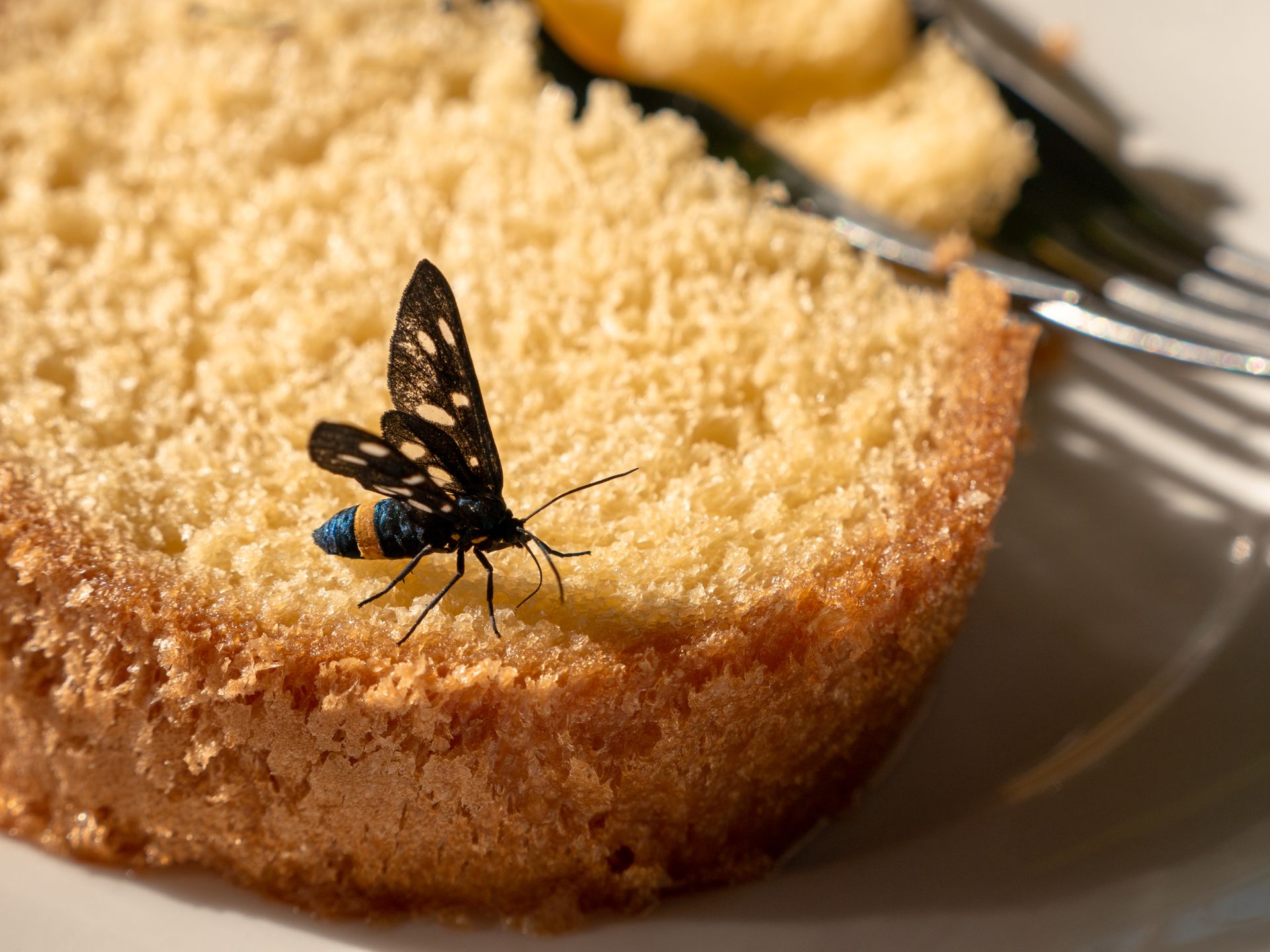
Pantry pests are not the same as the bugs people usually picture when they think about pest control. They do not bite, they do not carry disease in the way mosquitoes or ticks do, and they rarely show up in large numbers all at once. What they do instead is contaminate far more food than they actually eat, which means a small infestation can force a home cook to throw out an entire shelf of dry goods rather than just the one package where the pests started.
Where Pantry Pests Actually Come From
Most infestations begin before the food even reaches the kitchen. Flour, cereal, rice, spices, pet food, and dried fruit can all carry pest eggs from the manufacturing plant, the distribution warehouse, or the grocery store shelf without any visible sign of a problem. Once that package sits in a warm pantry for a few weeks, the eggs hatch and the insects spread to neighboring containers, especially anything stored in its original cardboard or paper packaging rather than a sealed container.
This is why a spotless kitchen is not automatically a pest-free one. A home cook can wipe every counter daily and still end up with a pantry problem, because the source of the issue was never a mess on the counter. It was a package that came home already carrying the problem, combined with storage conditions that let it spread once it arrived.
What the Numbers Say About This Problem
The table below breaks down some of the most common pantry pests and where they tend to show up.
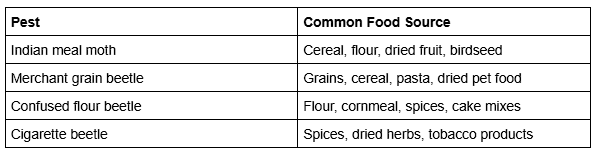
According to the National Pest Management Association's guide to stored product pests, these insects can infest food during manufacturing, at the grocery store, or after the package is already sitting in a home pantry, and they spread to other products stored nearby once established. That last detail matters most for anyone who bakes seasonally, since flour or spices that sat untouched for months are exactly the kind of product where an early infestation goes unnoticed the longest.
Habits That Actually Prevent an Infestation
Transferring dry goods into airtight glass or hard plastic containers the moment they come home from the store removes most of the risk, since it blocks pests from spreading even if one package already carries eggs. Inspecting boxes and bags for small holes or tears before buying them catches a portion of infested products before they ever reach the pantry. Rotating older ingredients to the front of the shelf and using them before buying more keeps flour, grains, and spices from sitting untouched long enough for a slow-building infestation to take hold.
Cleaning up crumbs and spills on shelves and in cabinet corners removes the food source that lets an early infestation survive and spread. Freezing flour, grains, or dried fruit for a few days after purchase kills any eggs that may have hitched a ride from the store, which is a simple extra step for anyone who bakes with the same bag of flour over several months. None of these habits take much extra time once they become routine, and together they close off almost every path a pantry pest normally takes into a kitchen.

Anyone trying to reduce food waste from a ruined pantry shelf might also want to read this guide to how long food actually lasts in storage, since knowing real shelf life makes it much easier to rotate ingredients before they become the kind of forgotten package pantry pests target first.
A well-stocked pantry is one of the best tools a home cook has, but it only stays useful if what is on the shelf stays sealed, rotated, and checked now and then. A few minutes of storage discipline saves far more time than cleaning out an infested cupboard later.