


You’ve just whipped up a beautiful meal in your kitchen. The counters are sparkling, the aromas are divine, and you’re feeling a real sense of accomplishment. The last thing you want to see is an uninvited guest scurrying across the floor.
But sadly, for many people, it’s an all-too-real issue. And pests in the kitchen are a real problem, as they can pose health risks by contaminating your food and surfaces.
One of the biggest magnets for pests like ants, cockroaches, and rodents is improperly stored food. It’s an open invitation for them to move in and make themselves at home. The good news is that you don’t need to wait for an invasion to happen.
When you adopt a few simple and proactive food storage habits, you can make your kitchen a fortress that pests just won’t want to mess with. Let’s walk through some practical tips to keep your pantry pest-free and your mind at ease.
Use Airtight Containers
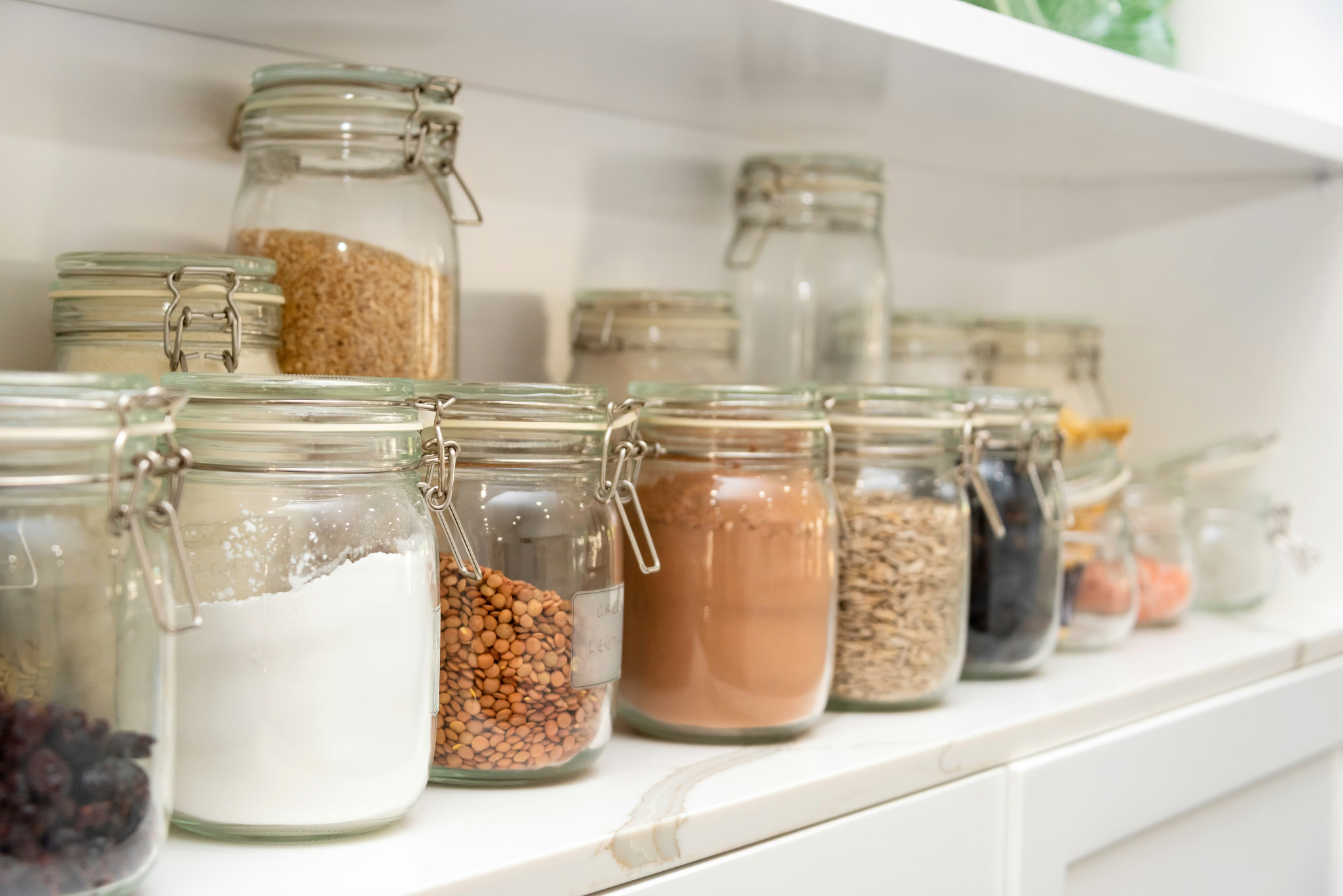
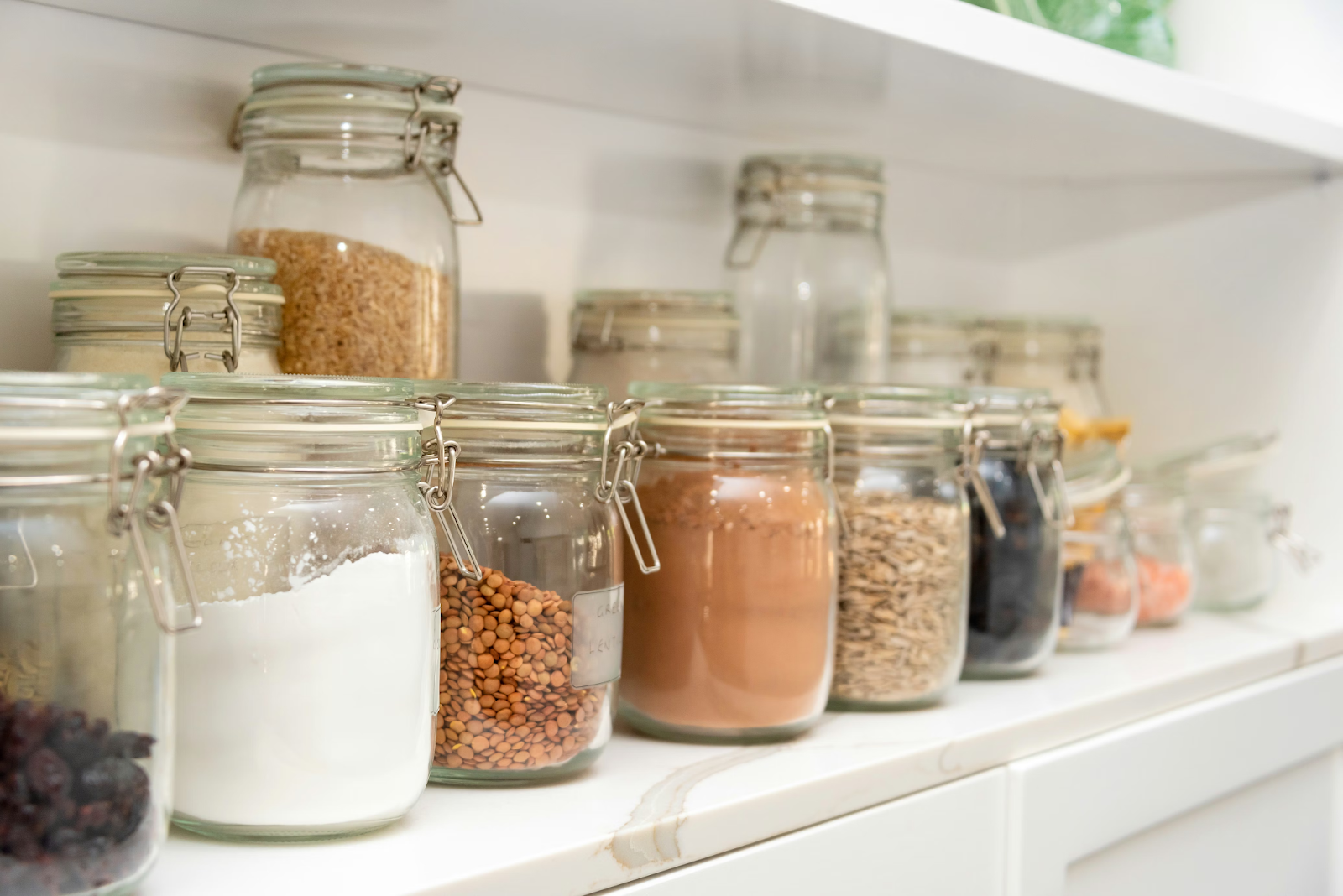
Consider pantry items like flour, sugar, cereal, and pasta. Their original packaging, often thin cardboard or plastic bags, is no match for a determined pest, as a rodent can chew through a cereal box in seconds, and ants will find the tiniest tear in a sugar bag. Airtight containers then become your secret weapon.
If you can move your dry goods into containers with tight-sealing lids, you create a powerful barrier, as these containers lock out pests and also seal in freshness. More importantly, they trap the food odors that act like a homing beacon for pests. When pests can’t smell the buffet, they’re much less likely to come looking for it.
Look for containers made of BPA-free plastic, glass, or stainless steel. Glass is great because you can easily see what’s inside, but durable plastic options are fantastic for families with kids. The key is a lid that creates a solid seal. This one simple swap can make a massive difference.
Get Your Food Off the Floor
It’s tempting to place that big bag of dog food or the bulk box of rice on the pantry floor. It’s convenient! But unfortunately, it’s also a welcome mat for crawling pests. Ants, cockroaches, and mice travel along baseboards and floors, making anything stored at ground level an easy target.
The solution? Elevate things! Use sturdy shelves for all your pantry items. This applies to your garage storage, too. If you keep extra supplies out there, make sure they are on shelves, not on the concrete floor. This creates a physical gap that makes it much harder for pests to access your food.
Don't forget about pet food, either, as a 50-pound bag of kibble sitting on the floor is a dream come true for rodents. Instead, transfer pet food into a large, sealed bin and keep that bin on a raised platform or low shelf.
Keep It Cool and Dry
Pests don’t just need food. They also need a comfortable environment. Warm, moist areas are particularly attractive to pantry pests like weevils, beetles, and even mold. When you store your dry goods (like flours, grains, and spices) in a cool, dry place, you make the environment less hospitable for them.
Avoid storing food near heat sources like the oven, dishwasher, or a sunny window. You should also check for any plumbing leaks under the sink or in the pantry that could be creating excess moisture. A small, undetected drip can turn your cabinet into a veritable pest hotspot.
An Organized Pantry is a Pest-Free Pantry
A cluttered pantry is full of dark, undisturbed corners where pests can hide, nest, and multiply undetected. When you can’t see what’s in the back of your shelves, you’re less likely to notice the early signs of an infestation, like droppings or damaged packaging.
Take some time to organize your space. Group similar items together, use shelf organizers, and make sure everything is visible and accessible. A tidy pantry not only looks great but also eliminates hiding spots. It makes it much easier for you to do a quick visual check for any signs of trouble. You’ll be able to spot a problem long before it gets out of hand.
Label and Rotate Your Stock
Do you remember when you bought that bag of quinoa in the back of the pantry? If you have to think about it, it’s probably been there for a while. Old, forgotten food items are prime targets for pests. They’ve had plenty of time to sit undisturbed, making them an easy meal.
This is where the "first-in, first-out" (FIFO) method comes in handy. When you buy a new bag of rice, place it behind the one you’re already using. This simple habit ensures that you’re always using the older items first, keeping your stock fresh and reducing the chances of anything becoming a pest magnet.
To make this even easier, label your containers with the item name and the date you opened it or its expiration date. A roll of masking tape and a marker are all you need. This little step takes seconds but saves you from guessing games and prevents food from expiring in the dark corners of your cupboard.
Wipe Up and Clean Down
Crumbs, sugar crystals, and oily residues are often invisible, but pests have a knack for finding them. A small spill from a honey jar or a few stray grains of sugar can attract an army of ants. It’s important to make regular cleaning a part of your kitchen routine.
Wipe down your pantry shelves every few weeks. Take everything off, give the shelves a good wipe with a damp cloth, and make sure they’re completely dry before putting everything back. You should also wipe down the outside of your containers. Sticky residue from honey, oil, or syrup can build up over time, but the easy fix is a quick wipe-down, which removes these tasty temptations.
Smart Storage for Bulk Buys
Buying in bulk can be a great way to save money, but it requires a bit of planning to keep pests out. That giant bag of rice or flour is a huge score for you, but it’s also a massive potential feast for pests.
As soon as you get your bulk items home, transfer them into smaller, manageable airtight containers. If you don’t have enough containers for the whole lot, store the main bag in a large, food-grade bucket with a gamma seal lid. These lids twist on to create an airtight and pest-proof seal. Store these large bins in a cool, dry place off the floor.
Use Your Refrigerator
Some foods are more vulnerable to pests than others, especially in warmer climates. Items like whole-wheat flour, nuts, seeds, and dried fruit contain oils that can attract pests and go rancid more quickly.
For these items, your refrigerator is an excellent storage solution. Storing them in the cold extends their shelf life and provides complete protection from pests. If you buy nuts or specialty flours in bulk, consider storing what you’ll use soon in the pantry (in an airtight container, of course) and keeping the rest in the freezer for long-term storage.
Small Effort for Big Peace of Mind
Protecting your kitchen from pests doesn’t require a major overhaul.
Take a few minutes this week to do a quick audit of your pantry and kitchen cabinets. Are your cereals in airtight containers? Is that giant bag of dog food on the floor? A little preventive action now can save you from dealing with a frustrating and costly infestation later.
And should you find that pests have already made a home in your kitchen, don’t stress. It may just be time to call in some professional pest control.