


Setting Up a Small Commercial Kitchen: Equipment Guide
Opening a cafe or small restaurant is exciting, right up until the kitchen build begins. Suddenly there are decisions about ovens, refrigeration, prep space, and a budget that never quite stretches far enough. The equipment choices made here shape every service that follows.
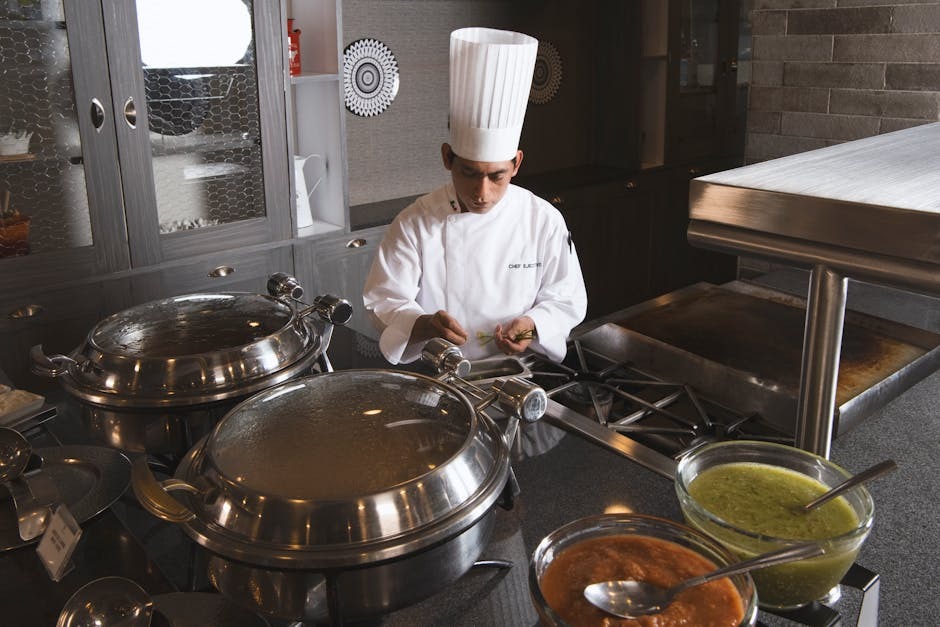
Getting them right is the difference between a smooth line and constant firefighting. Canadian supplier Chef Stop outfits commercial kitchens with the equipment they actually need. This guide walks through what matters when setting up a small commercial space.
What Does a New Commercial Kitchen Actually Need?
A new commercial kitchen needs a core set of reliable workhorses before anything else. Cooking equipment, refrigeration, prep surfaces, and a proper dishwashing setup form the backbone. Everything else is built around those four pillars.
The temptation is to buy broad and shiny. The smarter move is to buy deep on the essentials. A dependable range and a solid commercial fridge earn their cost every day, while novelty gadgets gather dust.
Space drives the plan as much as the menu does. A small kitchen rewards equipment that is sized correctly and laid out for flow, so a cook is never fighting the room. Planning the footprint first prevents expensive mistakes later. A layout that looks fine on paper can still jam up the moment three people work it at once.
How Do You Plan Equipment for a Small Cafe?
A clear sequence keeps the planning manageable.
- Define the menu first, since it dictates every equipment choice.
- Map the workflow, from delivery to storage to prep to service.
- Prioritize refrigeration, which protects stock and food safety.
- Choose cooking gear that matches the menu, not the ego.
- Plan dishwashing and sanitation as seriously as cooking.
- Leave room to grow, so success does not force an early rebuild.
Each step narrows the choices sensibly. Following the order stops a small kitchen from buying the wrong gear in the wrong sequence.
What Separates Reliable Equipment From the Rest?
Reliable equipment shows its quality in the details that survive a busy service. Heavy-gauge stainless steel, solid hinges, and consistent temperature control are what separate gear built for daily commercial use from lighter alternatives. Cheap equipment fails at the worst possible moment, mid-rush.
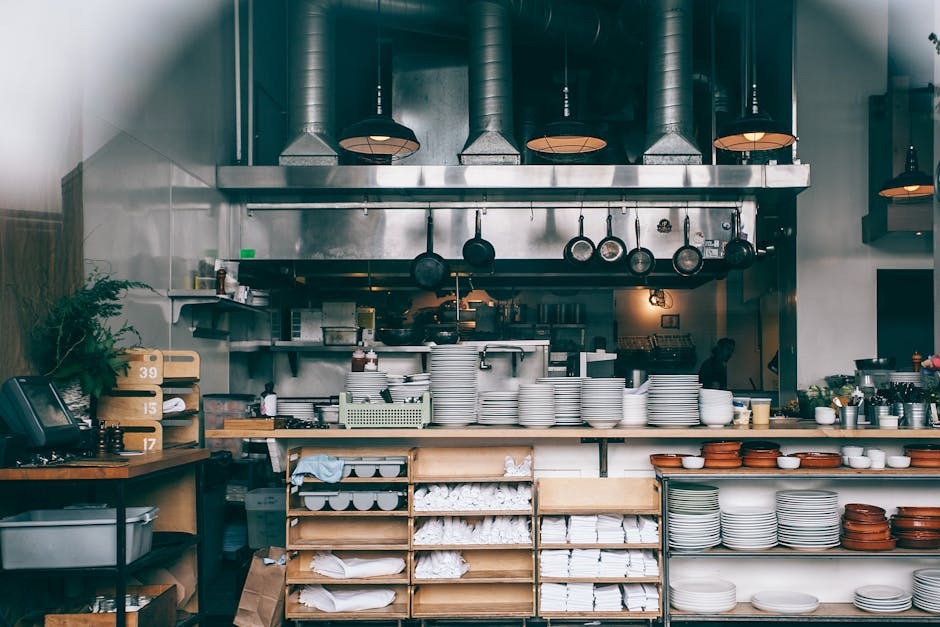
Refrigeration deserves particular attention. A commercial fridge that holds a steady temperature, ideally at or below 40°F (4°C), protects both stock and customers. Uneven cooling on a hearty casserole or any prepped dish is a safety risk, not just a quality problem.
Certification is the quiet signal of quality. Equipment built to recognized sanitation standards is easier to clean and designed for heavy use. That reliability is exactly what a small operation cannot afford to compromise on.
What Should You Sort Before Opening Day?
A short list covers the essentials before the doors open.
- Refrigeration installed and holding stable temperatures.
- Cooking equipment tested under realistic load.
- Food safety certification in place for the team.
- Licenses and permits secured and displayed.
- Sanitation stations set up and stocked.
- A maintenance plan so nothing fails unnoticed.
Most kitchens need food safety certification on staff before service, and securing the right licenses and permits is a legal first step, not an afterthought.
A Quick Setup Checklist
A short pass covers what a new kitchen should confirm.
- Let the menu drive every equipment decision
- Invest first in refrigeration and core cooking gear
- Check for recognized sanitation certification
- Plan the layout around real workflow and space
- Build dishwashing and sanitation into the design
- Keep budget in reserve for maintenance and growth
Why Smart Equipment Choices Decide a Kitchen's Success
Smart equipment choices decide a kitchen's success because they set the ceiling on what the team can deliver. A well-built kitchen lets a small staff work fast, clean, and safe, even on the busiest night. A poorly equipped one turns every service into a struggle.
Three numbers frame the decision. Refrigeration and cooking gear often claim 40 to 60 percent of a new kitchen's equipment budget. Reliable units can run 10 years or more with proper care. And one failed fridge can spoil hundreds of dollars of stock in a single 8-hour service.
The math favors buying well. Reliable commercial equipment costs more upfront but far less over its life than gear that fails and needs replacing. Even staples like a good gravy depend on equipment that performs the same way every time. From a Canadian supplier to a kitchen anywhere, the lesson holds: equip for the long run, and the kitchen rewards you every service.
Frequently Asked Questions
What Equipment Does a Small Restaurant Need First?
Start with the core four: cooking equipment, refrigeration, prep surfaces, and a dishwashing setup. These handle the bulk of every service. Specialty gear can wait until the menu and volume justify it. Buying deep on the essentials beats spreading a budget thin across nice-to-have items.
How Much Should I Budget for Kitchen Equipment?
It varies widely by menu and space, but refrigeration and cooking equipment usually take the largest share. Plan for installation, maintenance, and a reserve for surprises. Buying reliable commercial-grade gear costs more upfront but saves money over the years compared with frequent replacements.
Do I Need Certified Equipment for a Commercial Kitchen?
In most regions, yes. Health regulations typically require equipment that meets recognized sanitation standards, and inspectors check for it. Beyond compliance, certified equipment is built to be cleaned easily and to perform under heavy use, which protects both your customers and your business.
How Important Is Kitchen Layout for a Small Space?
Very important. In a small kitchen, poor layout slows every task and creates safety risks. Planning the flow from delivery to storage to prep to service, and sizing equipment to fit, lets a small team work efficiently. Good layout is as valuable as good equipment. A few hours spent planning the flow saves months of working around a bad one.