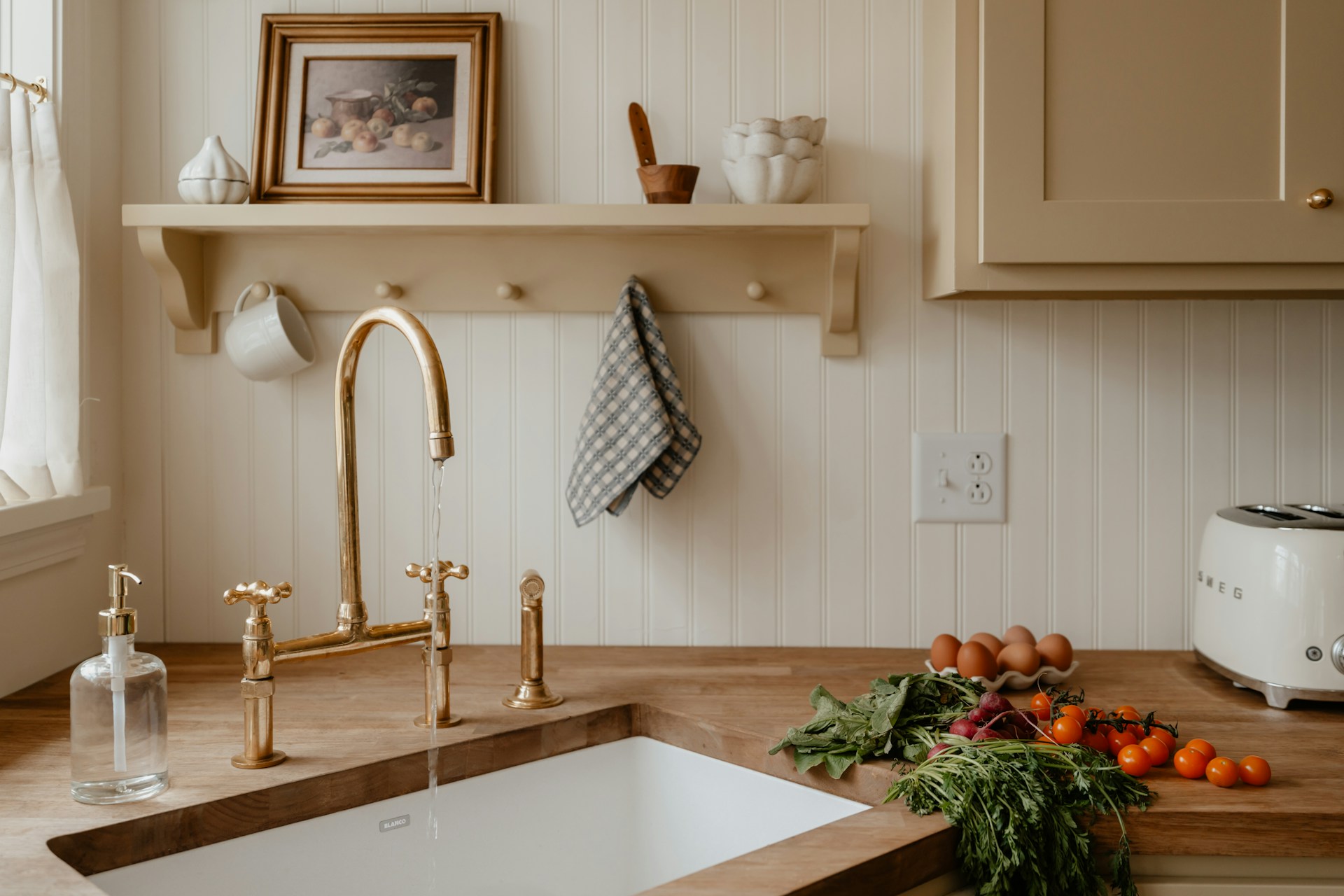

How to Keep Your Kitchen Clean, Organized, and Less Inviting to Pests
A busy kitchen rarely stays spotless for long. Flour lands beside the mixer, a few grains of rice escape the bag, and something sticky inevitably finds its way under the toaster. That is normal when you actually cook at home. The goal is not to maintain a showroom kitchen. It is to keep food organized and clean up the small messes that can turn into bigger problems.
Those habits also matter for pest prevention. Ants, pantry insects, cockroaches, and rodents can take advantage of food residue, accessible ingredients, moisture, and hiding places. A practical routine protects your ingredients without adding an hour of cleaning after every meal.
Store Ingredients Like a Cook, Not a Collector
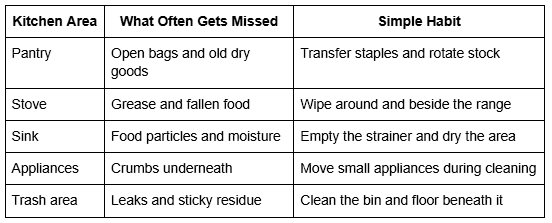
Start with the pantry. Open bags of flour, rice, cereal, nuts, pasta, dried fruit, and baking ingredients can sit around for weeks or months. Once opened, many are easier to manage in sealed containers.
Clear containers are especially useful for home cooks because you can see what is available before shopping. Labeling less obvious ingredients prevents the mystery-container problem later. Add a date when transferring something you use slowly, and place older ingredients toward the front.
Take a minute to inspect packages while reorganizing. Webbing, tiny insects, damaged packaging, or unusual material inside dry goods should not simply be wiped away. Check nearby products as well.
Recurring activity can point to a problem beyond one forgotten bag of flour. A professional inspection may be appropriate when insects or rodents continue appearing after affected foods are removed and the pantry is cleaned. Holper's Pest & Animal Solutions uses inspections to look for pest activity, entry points, harborage areas, and conditions that may be contributing to a problem.
.jpg)
Clean the Places Where Cooking Actually Gets Messy
Countertops get plenty of attention because we see them. Less obvious spots often collect more food.
Pull the toaster forward and check underneath it. Look beside the stove, around the coffee maker, under countertop appliances, and along the edge where counters meet the wall. Grease near the range deserves attention because airborne cooking residue can settle farther from the burner than expected.
You also do not need to turn routine cleanup into an aggressive disinfection project. According to updated 2025 guidance from the Centers for Disease Control and Prevention, cleaning with soap and water removes most germs from household surfaces in most situations. Disinfection is generally more relevant when someone is sick or has recently been sick.
For everyday cooking, consistency is the useful habit. Clean visible spills when they happen, then give the overlooked areas regular attention.
Give the Sink a Proper Closing Routine
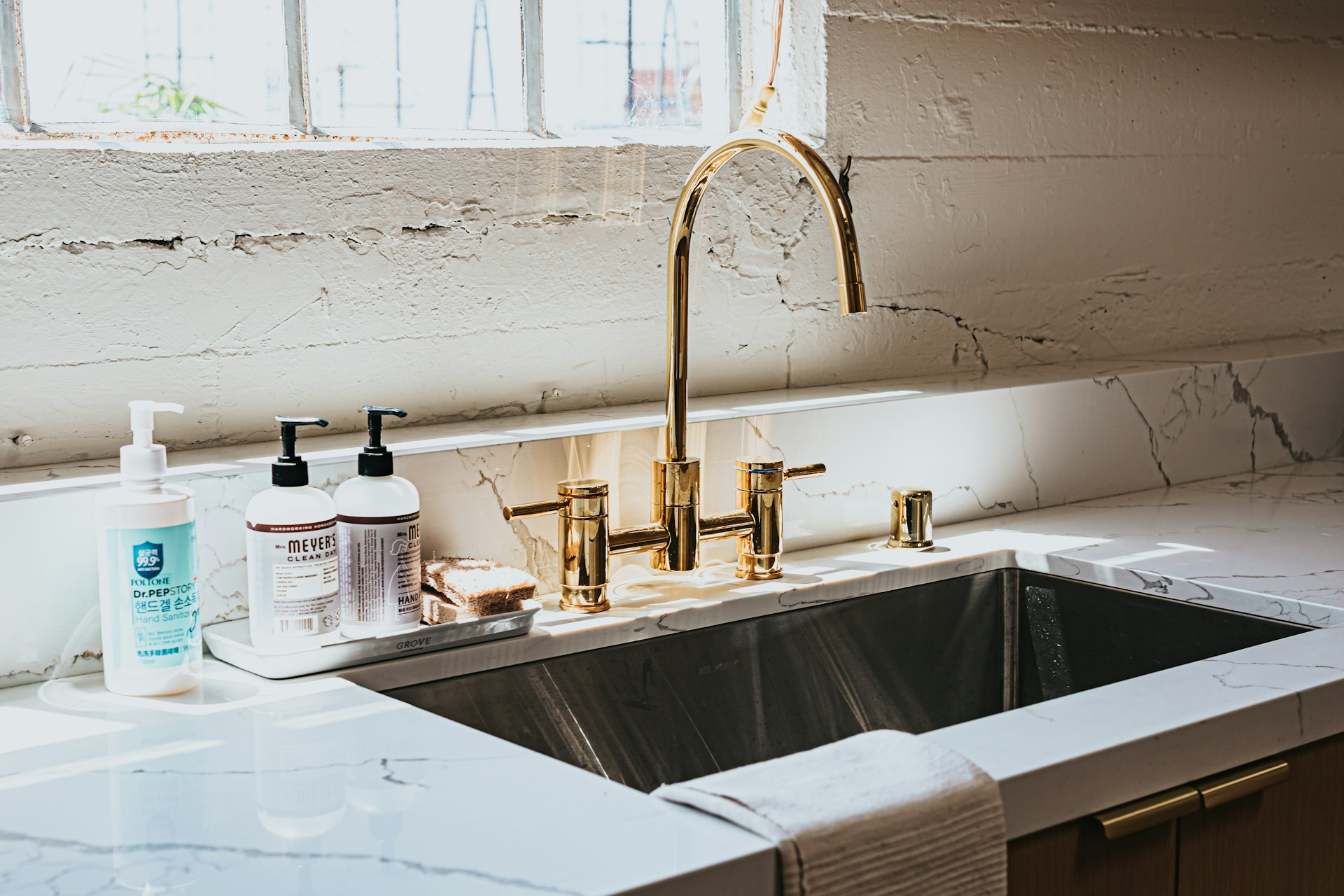
After dinner, the sink often becomes the last unfinished job. A few dishes soak overnight. The strainer holds food scraps. A sponge remains wet beside the faucet.
Instead, give the sink a two-minute closing routine. Scrape food into the appropriate waste container, wash or load the dishes, empty the strainer, and wipe away standing water around the faucet and counter edge. Check underneath the sink occasionally, too. A slow plumbing leak can keep the cabinet damp without creating an obvious puddle.
Sponges and dishcloths also need a place to dry rather than sitting in a wet heap. The point is not perfection. You are simply removing food residue and excess moisture before the kitchen sits unused for several hours.
Treat Trash and Recycling as Part of Food Prep
The recipe may end when dinner reaches the table, but food responsibility continues through cleanup. Packaging, scraps, cans, bottles, and takeout containers can all leave residue behind.
Use a trash can with a lid that closes properly. If something leaks inside the bin, clean the container rather than dropping a fresh liner over the mess. The floor beneath and behind the can deserves a periodic wipe as well.
Recycling can be sneakier. A nearly empty soda can, sauce jar, or food container may still contain enough residue to smell after sitting indoors. Follow local recycling requirements, and deal with food residue before containers accumulate.
These habits have another benefit. A well-managed waste area makes it easier to notice unusual activity instead of discovering it beneath a pile of sticky containers.
Use a Five-Minute Reset After Cooking
Home chefs do not need an elaborate kitchen pest prevention checklist after every recipe. A short reset is more realistic.
Put ingredients away first so dairy, meat, produce, and opened pantry goods do not linger on the counter. Wipe the main prep area while spills are still easy to remove. Sweep obvious crumbs, particularly after baking or bread preparation. Finish by checking the sink and trash.
Once a week, go slightly deeper. Look behind frequently used countertop appliances and inspect the pantry for spills or damaged packages. Check the produce that has been sitting out. Clean the area around pet food if bowls are kept in or near the kitchen.
Small routines work because they prevent cleanup from becoming a major project.
A Working Kitchen Does Not Have to Be a Messy One
A good kitchen should look like people cook there. There will be crumbs, dishes, half-used ingredients, and nights when cleanup happens later than planned. Organization is useful because it makes those normal messes easier to control.
Protect dry goods, pay attention to moisture, clean the forgotten spaces, and make waste management part of cooking rather than an unrelated chore. When those habits become automatic, ingredients are easier to find, food waste is easier to notice, and pests have fewer opportunities to turn your kitchen into their pantry.