

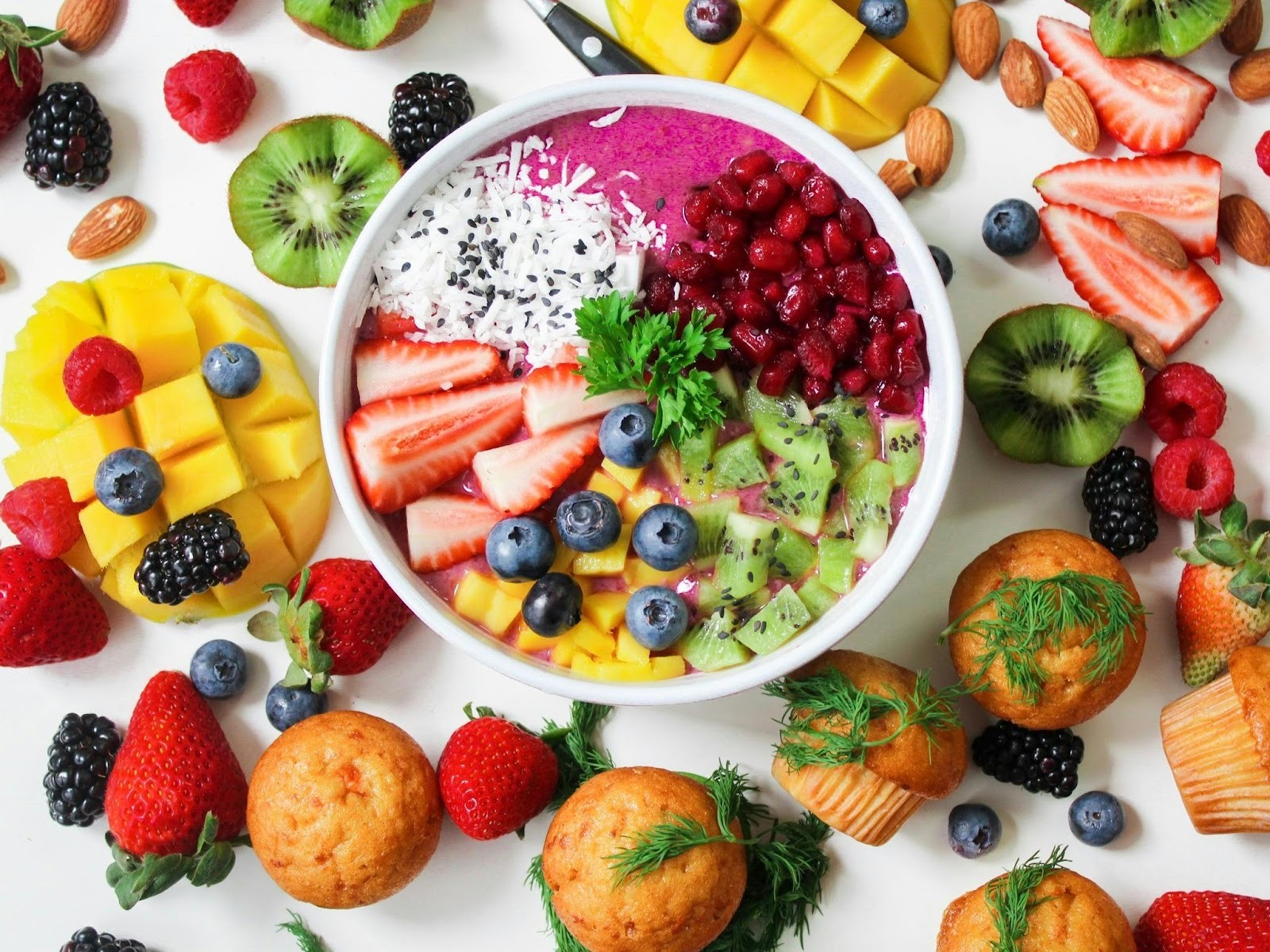

How to Build a Balanced Plate Without Giving Up the Foods You Love
If you’ve ever tried to ‘eat better’ and felt like it basically meant you had to cut out everything you enjoy, you’re not alone - a lot of advice makes healthy eating sound pretty strict and totally joyless, which is usually why it doesn’t last. But the truth is, you can build a balanced plate without giving up the food you love, and here are some tips on how to do it.
Start With Balance, Not Restriction
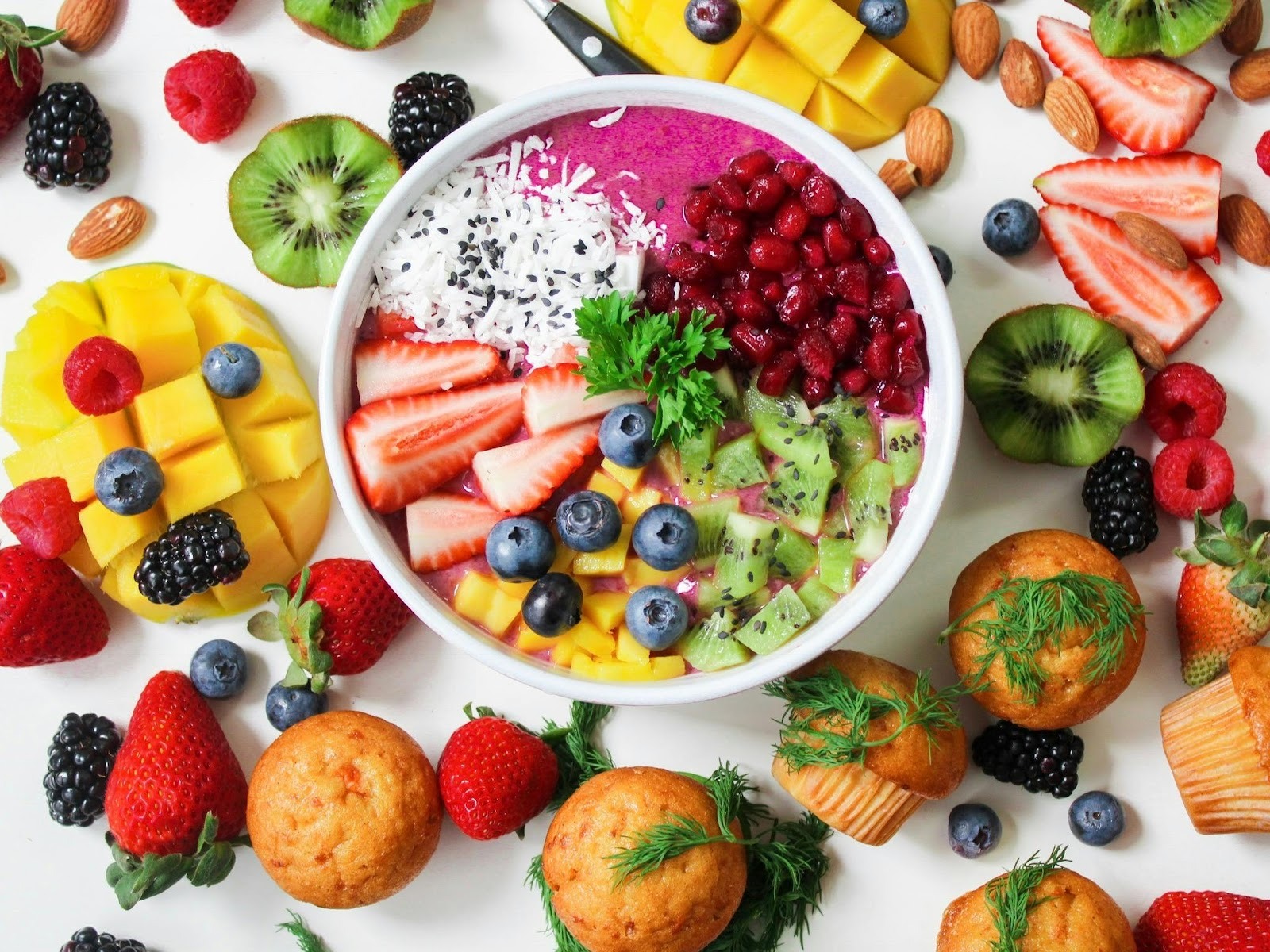
The easiest way to think about meals is balance rather than restriction and control, so instead of asking what you have to remove, ask what you can add. That could mean more colour, for example, or variety, or just more of the foods that can help you feel full and satisfied.
A balanced plate usually incluedes a mix of protein, carbohydrates, fats, and vegetables. And the good part is you don’t have to weigh everything out, you just need to aim for a good combination that keep your energy at a steady level and stops you feeling hungry an hour later.
Portion Awareness Is Better Than Cutting Foods Out
You don’t have to ban pizza, pasta, or dessert because what actually matters more is how often and how much. Enjoying foods you love in sensible portions is much more sustainable than avoiding them completely and then overdoing it later - something we’ve all been guilty of, more than likely.
It’s a good idea to try filling most of your plate with foods that are good for you, and then leave a little room for the things you enjoy. Do that and nothing’s going to feel off limits and you’re less likely to feel deprived.
Protein And Fibre Are Crucial
Meals tend to feel more balanced when they keep you full, and protein and fibre are really the keys here. Adding eggs, beans, yogurt, fish, chicken, lentils, vegetables, and whole grains can make a massive difference and it won’t change the meal all that much either.
For example, adding vegetables to a pasta dish or pairing a sandwich with fruit or salad instantly makes the balance better without changing what you’re eating.
Consistency Matters More Than One Perfect Meal
One balanced plate isn’t going to change everything, just like one less-balanced meal isn’t going to undo all your progress. What really matters is what you do most of the time, so as long as you’re eating well generally, a little treat here and there is absolutely fine.
If you’re looking for help with your diet, speaking to experts who can give you some advice is a good place to start, and they’ll tell you that consistency is the number one ingredient for a good, balanced diet.
Listen To How Food Makes You Feel
Everyone’s different. Some foods leave you energised, some foods make you feel sluggish, and that’s not necessarily going to be the same as a friend or family member, so you’ve got to listen to your own body and understand how certain foods affect you personally.
It’s wise to pay attention to how meals affect your mood, focus, and hunger levels, and then you’ll be able to adjust - you’re the best judge of what works for your body, after all.