


How Technology Is Changing the Way We Protect What We Eat
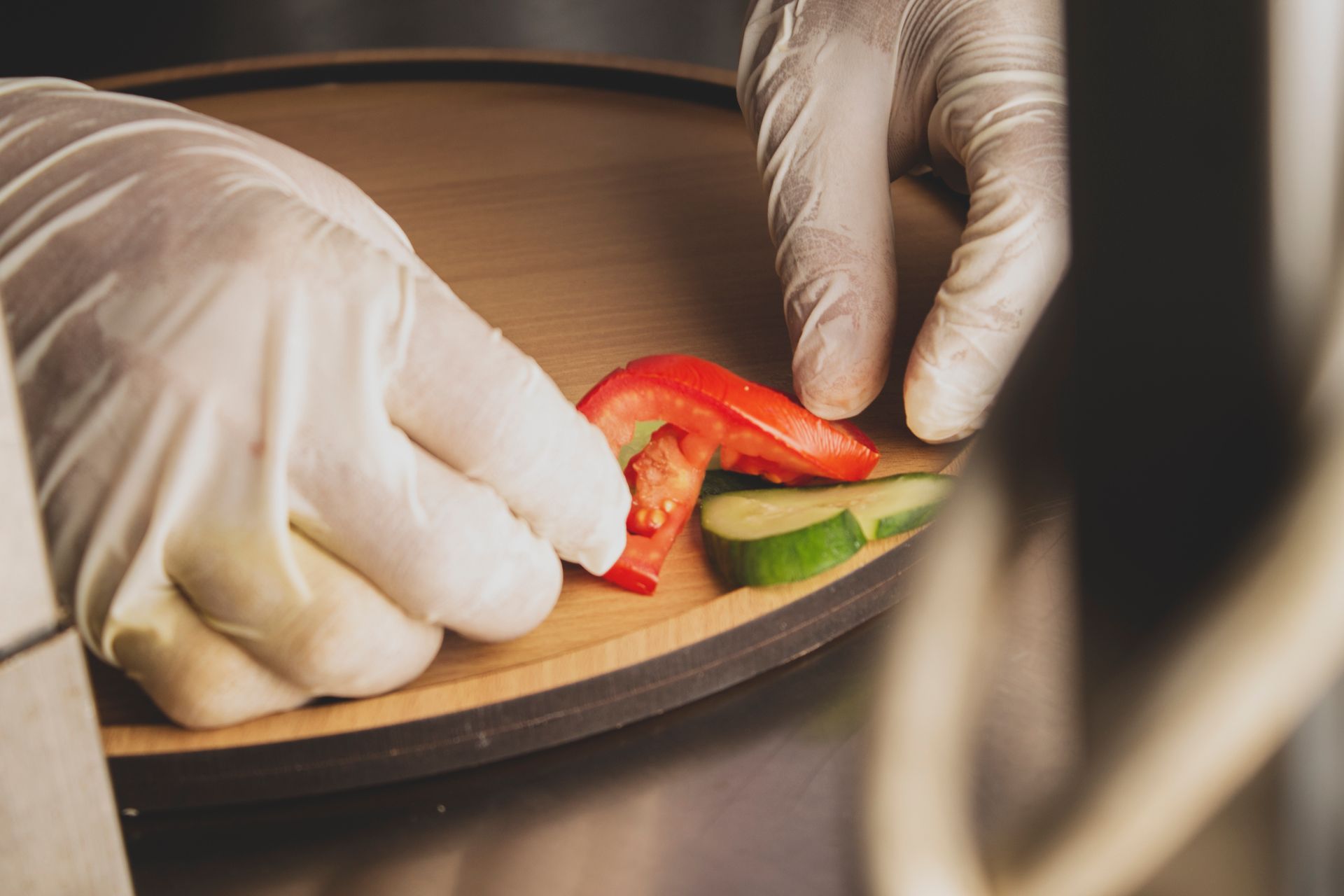
A single salad can bring together lettuce, tomatoes, cheese, and dressing sourced from several countries. Before reaching a plate, those ingredients may pass through farms, processors, trucks, warehouses, stores, and kitchens, creating many points where contamination could enter or spread.
For much of food history, little of that journey was recorded in a usable form. Paper logs and human memory captured only fragments, leaving long gaps in the food supply chain. The change is not that food suddenly became more dangerous. Instead, detection, monitoring, and record-keeping became faster and more visible, raising a practical question: What does technology actually do to keep contamination out of what we eat, and where does it still come up short?
What Technology Actually Changes About Food Safety
Technology changes food safety mainly by shortening the time between something going wrong and someone finding out. It replaces delayed clues with real-time monitoring, faster pathogen results, and ingredient records that remain intact as food changes hands.
The stakes remain substantial because millions of Americans get sick from contaminated food each year, according to CDC foodborne illness estimates, with many cases leading to hospitalization or death. Food safety technology aims to move that baseline by detecting hazards while products can still be held.
Continuous monitoring replaces isolated checks, while some pathogen tests return results within hours rather than days. This emphasis on prevention, rather than reaction alone, also reflects the direction established by the Food Safety Modernization Act (FSMA).
Catching Contamination Before It Reaches a Plate
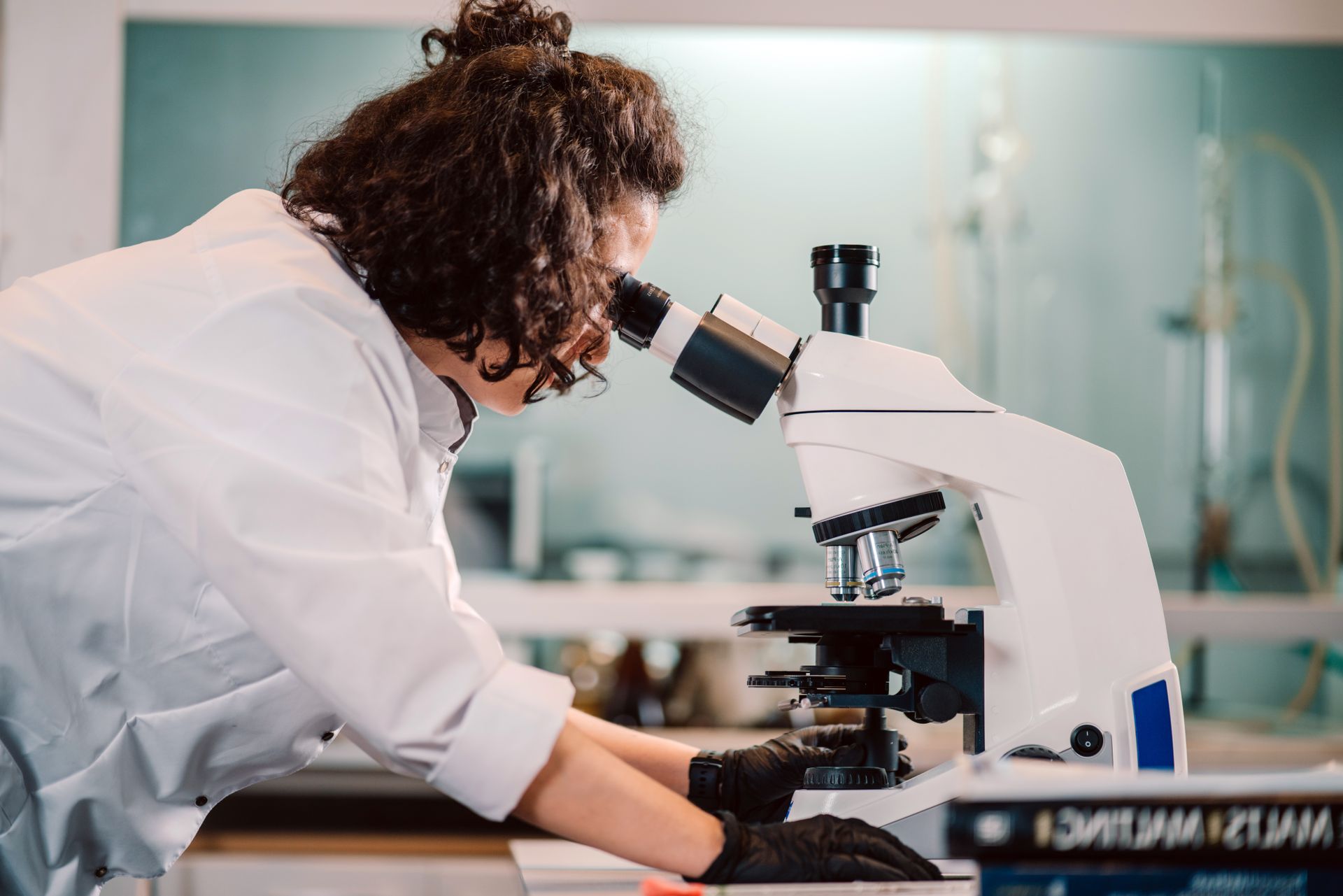
Contamination tends to cluster around particular foods, environments, and processing steps. As a result, the useful question is not which system sounds most advanced. It is whether the technology targets the actual risk point, whether that means irrigation water in a field, moisture under a slicer, or an unreliable cook step on a poultry line.
Where the Riskiest Foods and Pathogens Sit
Leafy greens and fresh produce face exposure through soil, irrigation water, and wash water. Therefore, water testing, field imaging, and targeted sampling are particularly relevant when controlling Salmonella and E. coli.
Ready-to-eat deli meats and soft cheeses present a different problem. Listeria can persist in cold, wet processing environments, so swabs from drains, floors, and slicers often reveal more than finished-product testing alone.
Raw poultry and shellfish sit elsewhere on the risk map. Salmonella and Norovirus controls depend heavily on sanitation, process management, and cook-step verification rather than screening every batch. This risk-based thinking also extends to allergens, where ingredient controls and innovations that make food safer help prevent undeclared ingredients from reaching sensitive consumers.
Rapid Pathogen Testing on the Plant Floor
Traditional culture plating can take two to five days because organisms need time to grow to detectable levels. Rapid molecular methods and biosensors can produce results in hours, allowing a plant to hold a suspect lot instead of shipping it and organizing a food recall later. NEMIS Technologies AG develops rapid on-site pathogen detection methods that reflect this wider move away from waiting on culture plating.
Pathogen detection is not the only faster checkpoint. Artificial intelligence (AI) and machine vision inspect moving lines for foreign objects, damaged packaging, and visible defects without the attention loss that affects repetitive human inspection.
Predictive analytics combines past swab results, supplier records, and HACCP logs. Instead of sampling at random, safety teams can focus on the zone, supplier, or shift where contamination is most likely to appear.
Watching Food Travel From Farm to Shelf
After processing, many safety failures come down to time and temperature. Historically, workers recorded storage conditions at departure and arrival, leaving the journey between those points largely invisible.
Sensors That Guard the Cold Chain
Internet of Things (IoT) sensors and RFID tags can record temperature and humidity continuously inside trailers, warehouses, and cold rooms. If a compressor fails at 2 a.m., real-time monitoring can trigger an alert before an entire pallet warms beyond its required range.
Continuous temperature monitoring also clarifies responsibility. When a shipment arrives warm, the record can show whether the failure happened at the processor, inside the trailer, or on a retailer’s loading dock. Carriers and retailers can then work from a shared timeline rather than assumptions.
However, the hardware still needs context. A brief temperature rise while doors are open does not necessarily carry the same meaning as prolonged warming deep inside a load. Effective systems pair readings with location, duration, and handling events so teams can distinguish a routine fluctuation from a broken cold chain.
Recalls Measured in Seconds, Not Days
Traceability once depended heavily on phone calls, paper invoices, and records stored in separate offices. Following an ingredient through a retailer, distributor, processor, and farm could therefore take days.
Digital traceability turns that search into a database query. Blockchain can create a shared record that survives transfers between organizations without allowing one participant to quietly rewrite earlier entries. When each case carries a lot code, source, and destination, investigators can narrow a food recall to specific farms or production runs in seconds rather than withdrawing an entire product category after days of paperwork.
A narrower recall protects consumers while avoiding unnecessary disposal of unaffected food. QR codes and transparency labels can also extend part of that record to shoppers, providing access to origin details, harvest dates, and recall status through a phone instead of a news bulletin.
Packaging and Preservation That Buy Time
Preservation technology manages hazards without relying only on colder storage. High-pressure processing inactivates pathogens without heat, while UV and other light-based treatments decontaminate suitable surfaces or liquids. Modified-atmosphere packaging changes the gases surrounding food to slow spoilage organisms.
Dynamic shelf-life labels and freshness indicators respond to actual handling conditions instead of relying solely on a fixed printed estimate. They belong among broader smart solutions for reducing food waste because they help separate food that has deteriorated from food discarded only because a conservative date has passed.
.jpg)
Where the Technology Still Falls Short
Cost remains a hard dividing line. A national processor can spread the expense of continuous monitoring and rapid testing across a large production volume. A single farm, independent restaurant, or small bakery often cannot, leaving significant parts of the food supply dependent on manual checks and older testing methods.
Traceability also breaks when systems cannot exchange records. A digital chain running from a farm through a processor loses much of its value if the distributor records the next handoff in an incompatible spreadsheet. Regulatory compliance creates common expectations, but it does not automatically create common data formats.
Sensors have their own failure modes. An uncalibrated probe or depleted battery can produce clean-looking data that is wrong. Accordingly, verification schedules, calibration checks, and comparisons against HACCP logs matter as much as installing the hardware.
Technology reduces human error rather than eliminating it. Someone still has to investigate an alert, hold a lot, or correct a storage problem. An ignored notification is functionally equivalent to having no monitoring.
The human layer increasingly has digital support, including training modules, inspection apps that replace clipboard checklists, and wearables that prompt handwashing or glove changes. Still, familiar discipline determines the outcome: Surfaces must stay clean, food must be cooked and chilled correctly, containers must remain covered, and raw products must be kept from causing cross-contamination.
What This Means for What You Eat
The central shift is from discovering a food safety failure after people develop foodborne illness to detecting it while the product is still on a pallet. Food safety technology does not make eating risk-free. Instead, it makes the response faster, more focused, and less dependent on incomplete records.
More of the food chain is now visible to shoppers through recall notices, origin records, freshness indicators, and handling information. Paying attention to that visibility, while continuing to store and prepare food safely, is the part the individual controls.