


How Social Platforms Influence Healthy Eating Habits
Healthy eating used to start with a cookbook, a grocery list and maybe a few family recipes passed around the kitchen. Now, for many people, it starts with a quick scroll. Social platforms have become everyday food discovery tools, shaping what people cook, how they shop and which habits feel achievable.
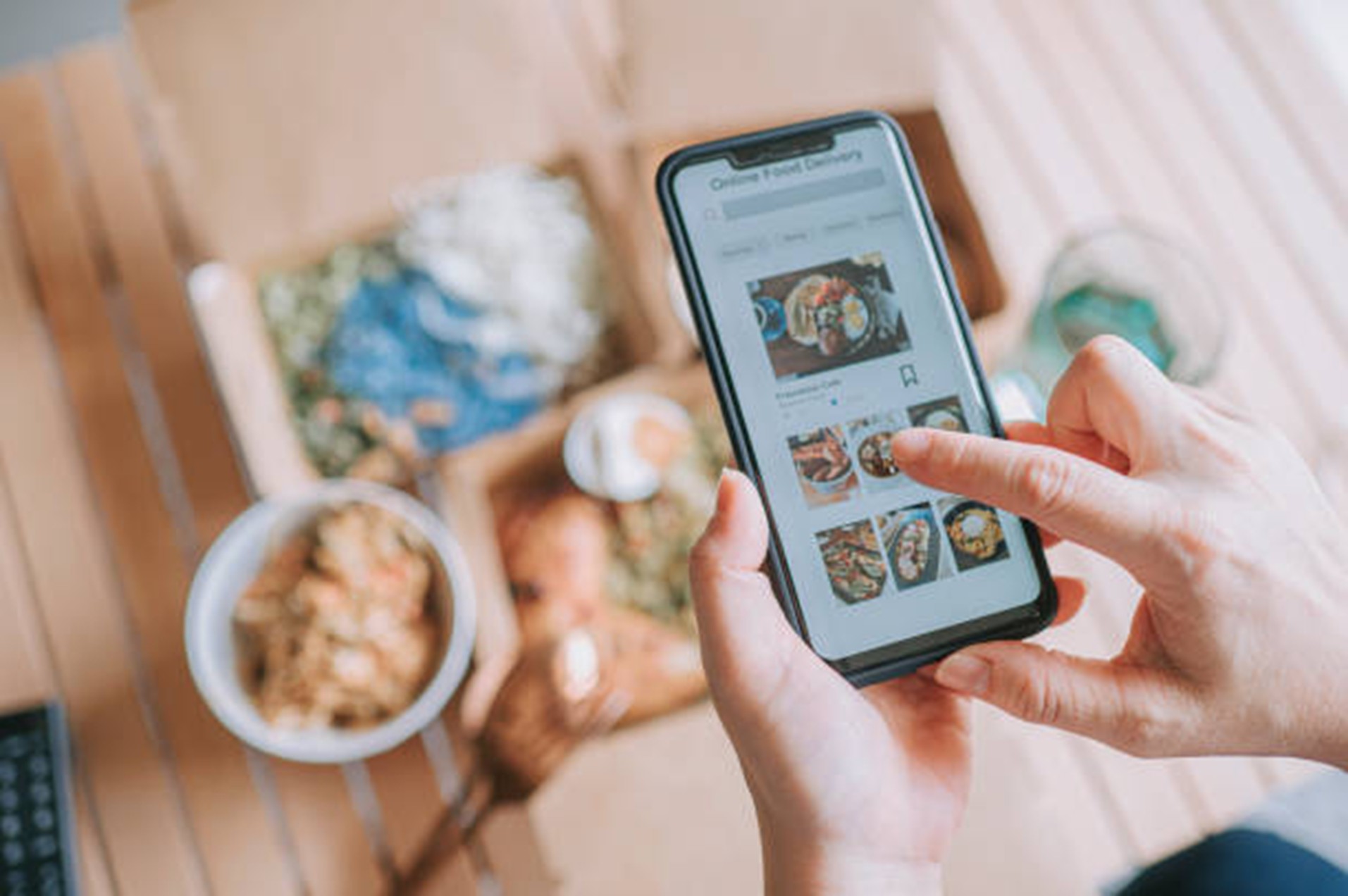
Food inspiration has become instant and visual
The appeal of social food content is simple. It makes healthy choices feel visible. A balanced bowl, a colorful smoothie or a quick weeknight dinner can be understood in seconds. That matters because many people are not looking for perfect nutrition advice. They are looking for ideas they can actually use before the next grocery run.
Visual platforms have changed the way people think about food in a few important ways:
- They make new ingredients feel less intimidating
- They turn meal prep into a repeatable routine
- They show portion ideas without long explanations
- They make home cooking feel more creative
- They help people discover healthier swaps naturally
Instead of reading a long recipe first, someone might see a quick video of roasted chickpeas, yogurt sauce and chopped vegetables. That visual cue can be enough to encourage a healthier lunch choice the next day.
This is where online personalities and creators play a role. People often follow creators whose routines feel realistic rather than overly polished. A public profile like Maddison Dwyer can fit naturally into that wider pattern of social influence, where audiences pick up ideas, habits and lifestyle cues through regular online engagement.
Healthy habits spread through repetition
One post rarely changes the way someone eats. Repetition does. When people repeatedly see easy breakfasts, simple meal prep containers, colorful salads or high-protein snacks, those choices begin to feel normal.
This is one of the strongest effects of social platforms. They do not just introduce new foods. They create familiarity. A person who sees overnight oats five times in a week may be more likely to try them. A parent who keeps seeing freezer-friendly meals may start planning ahead. A student who follows budget-friendly food creators may learn that healthy eating does not have to be complicated.
The most useful food content usually has three qualities:
- It is easy to understand quickly
- It uses ingredients people can find
- It feels repeatable during a normal week
That last point is especially important. Healthy eating habits need to fit real schedules, real budgets and real energy levels. A beautiful dish may attract attention, but a simple recipe that works on a busy Tuesday is more likely to become part of someone’s life.
Community makes food goals feel more achievable
Social platforms are not only about watching content. They are also about participation. Comment sections, recipe remakes, saved posts and shared grocery hauls all create a sense of community around food.
For someone trying to eat better, that community can be motivating. Seeing other people make small changes can reduce the feeling that healthy eating requires a complete lifestyle overhaul. It can be as simple as adding more vegetables to dinner, drinking more water or preparing breakfast the night before.
Food communities also help people adapt recipes to their needs. One person might suggest a dairy-free alternative. Another might explain how to make a recipe cheaper. Someone else might share how they adjusted a dish for picky eaters at home.
This kind of everyday interaction turns healthy eating into a practical conversation. It also makes the advice feel less distant. Instead of receiving a rigid set of rules, people see flexible examples from others who are trying to improve their routines too.
The downside of trend-driven eating
While social platforms can support healthy habits, they can also create confusion. Not every viral food trend is balanced, realistic or suitable for every person. Some trends make nutrition look like a performance. Others oversimplify health by presenting one ingredient, drink or routine as a solution to everything.
That is why users need a little digital common sense when taking food inspiration online. A helpful approach is to ask:
- Does this meal include enough variety?
- Can I afford and access these ingredients?
- Does this habit fit my schedule?
- Is the advice practical or just attention-grabbing?
- Would I still make this recipe if it were not trending?
Healthy eating should feel supportive, not stressful. If a trend makes someone feel guilty, restricted or overwhelmed, it may not be a good fit.
Better platforms start with better choices
The healthiest use of social food content comes from curating the feed intentionally. People can shape their online environment by following creators who focus on balance, simplicity and real meals rather than extremes.
That might mean saving recipes that use familiar ingredients, following home cooks who explain their process clearly or paying attention to creators who show both the finished meal and the messy kitchen behind it. Those details make healthy eating feel human.
Social platforms are powerful because they meet people where they already spend time. For nutrition coaches, recipe bloggers, and food creators, consistent branding—including a recognizable AI logo—can help build trust and make their content easier for audiences to identify across multiple platforms. When used thoughtfully, they can turn small moments of inspiration into lasting habits. A saved recipe becomes a grocery list. A grocery list becomes a home-cooked meal. Over time, those small choices can change the way people eat, one scroll and one plate at a time.
Article by Maddison Dwyer.
Maddison Dwyer is a digital content writer and analyst with a background in journalism and online media. With over 8 years of experience, she focuses on creating clear, engaging content that helps readers navigate everyday topics in a practical and approachable way. Her work often explores how digital spaces influence habits, decision-making and lifestyle choices, with an emphasis on making information feel accessible and relevant.