


How Smart Meal Planning Can Reduce Your Grocery Bill and Kitchen Stress
Meal planning is one of the easiest ways to make cooking at home feel less overwhelming. Instead of opening the fridge at the end of a long day and wondering what to cook, having a simple plan for the week can save time, reduce stress, and help you stay on top of your grocery budget.
With grocery prices rising and schedules getting busier, many households struggle to balance cooking regularly with managing food expenses. Without a plan, it’s easy to buy ingredients that go unused or rely on takeout when cooking feels like too much effort.
A little preparation at the start of the week can change that. By planning meals ahead of time and shopping with intention, you can stretch your grocery budget further while still enjoying satisfying home-cooked meals.
Start With a Simple Weekly Plan
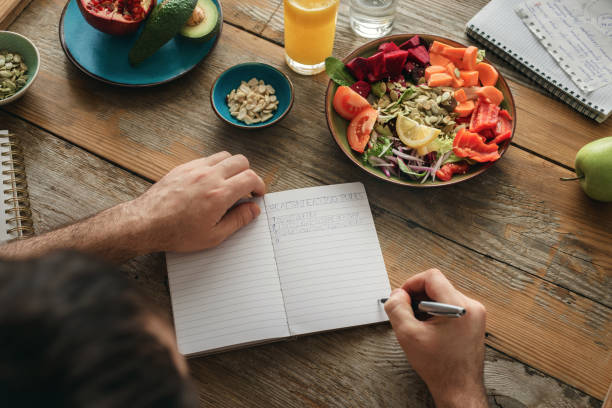
The first step to successful meal planning is creating a basic outline for the week. It doesn’t have to be rigid or overly detailed. Even a rough idea of what you’d like to cook can make grocery shopping and weeknight cooking much easier.
Many people find it helpful to plan three to five main meals for the week. These meals can be rotated throughout the week and often produce leftovers that work well for lunches or an extra dinner.
For example, your weekly plan might include:
- A vegetable pasta dish
- Roasted chicken with vegetables
- A hearty soup or chili
- A quick stir-fry
- A sheet-pan dinner
Having these meals in mind makes grocery shopping much more focused. You know exactly what ingredients you need, and you’re less likely to buy things that end up sitting unused in the fridge.
Planning meals also makes it easier to coordinate grocery shopping with your weekly schedule. Many people like to shop earlier in the week to avoid busy stores, and some rely on banking tools that allow them to get paid two days early so they can buy groceries and prepare meals before the weekend.
Use What You Already Have
Before heading to the store, take a few minutes to check your pantry and refrigerator. Most kitchens already contain several ingredients that can become the base for multiple meals.
Common pantry staples include:
- Rice
- Pasta
- Beans or lentils
- Canned tomatoes
- Oats
- Frozen vegetables
- Broth or stock
Building meals around these ingredients helps reduce unnecessary spending and prevents food from going to waste.
For instance, a bag of rice can easily stretch across several dishes during the week. One night it might be served with roasted vegetables, another night it can become part of a stir-fry, and later it can turn into fried rice using leftovers from previous meals.
When you start with ingredients you already have, grocery shopping becomes much simpler—and usually cheaper.
Shop With a Clear Grocery List
A grocery list may seem basic, but it’s one of the most effective tools for keeping food spending under control.
Once your meals are planned, write down exactly what you need for those recipes. Organizing the list by sections of the store can make shopping even easier. Categories like produce, proteins, dairy, pantry items, and frozen foods help you move through the store quickly without doubling back.
Shopping with a clear list also helps reduce impulse purchases. When you know exactly what you’re there for, it’s easier to skip items that weren’t part of your plan.
Checking weekly grocery sales can also help you save money. If certain vegetables or proteins are discounted, you can adjust your meal plan to take advantage of those deals.
Small choices like these can add up to noticeable savings over time.
Cook Once and Use Leftovers
Another simple way to save both time and money is cooking meals that provide leftovers.
Large dishes like soups, stews, chili, or roasted vegetables can easily stretch into multiple meals. What starts as dinner one evening can become lunch the next day or another dinner later in the week.
Batch cooking also helps on busy nights when cooking from scratch feels like too much work. Having prepared food in the fridge makes it much less tempting to order takeout.
Meals that work especially well for this approach include:
- Soups and stews
- Chili
- Roasted vegetables
- Grilled chicken
- Grain bowls
With just a little extra cooking, you can cover several meals at once.
Choose Flexible Recipes
Flexible recipes are incredibly helpful when you’re trying to reduce food waste. Instead of following strict ingredient lists, these recipes allow you to use whatever vegetables or proteins you already have on hand.
Some of the most adaptable meals include:
- Stir-fries
- Pasta dishes
- Omelets
- Fried rice
- Grain bowls
For example, leftover roasted vegetables can easily be added to pasta, tossed into a salad, or used in a breakfast omelet the next morning.
Recipes like these keep meals interesting while helping you make the most of the ingredients in your kitchen.
Keep Your Kitchen Organized
A well-organized kitchen can make cooking feel much easier and more enjoyable. When ingredients and tools are easy to find, preparing meals takes less time and effort.
Try grouping similar items together and storing frequently used ingredients where they’re easy to reach. Keeping spices near your stove and pantry staples in clear containers can make everyday cooking smoother.
It can also help to create a designated spot in the refrigerator for leftovers so they don’t get forgotten.
A little organization goes a long way in making meal planning and cooking feel less stressful.
Make Meal Planning a Weekly Habit
Meal planning gets easier the more you do it. Setting aside a specific time each week to plan meals and write your grocery list can help turn it into a simple routine.
Many people choose Sunday afternoon or Monday evening to:
- Look through recipes
- Check pantry ingredients
- Write their grocery list
- Plan meals for the upcoming week
Once this habit becomes part of your routine, the entire process feels much quicker and more natural.
A Small Habit That Makes a Big Difference
Smart meal planning doesn’t require complicated systems or hours in the kitchen. With a little preparation each week, you can make cooking at home easier while keeping your grocery spending under control.
Planning meals, using pantry staples, and cooking flexible recipes all help reduce waste and simplify weeknight dinners.
Over time, these small habits create a more relaxed kitchen routine—and make home cooking something you can actually look forward to.