


How Kitchen Layout Influences the Way People Gather and Socialise
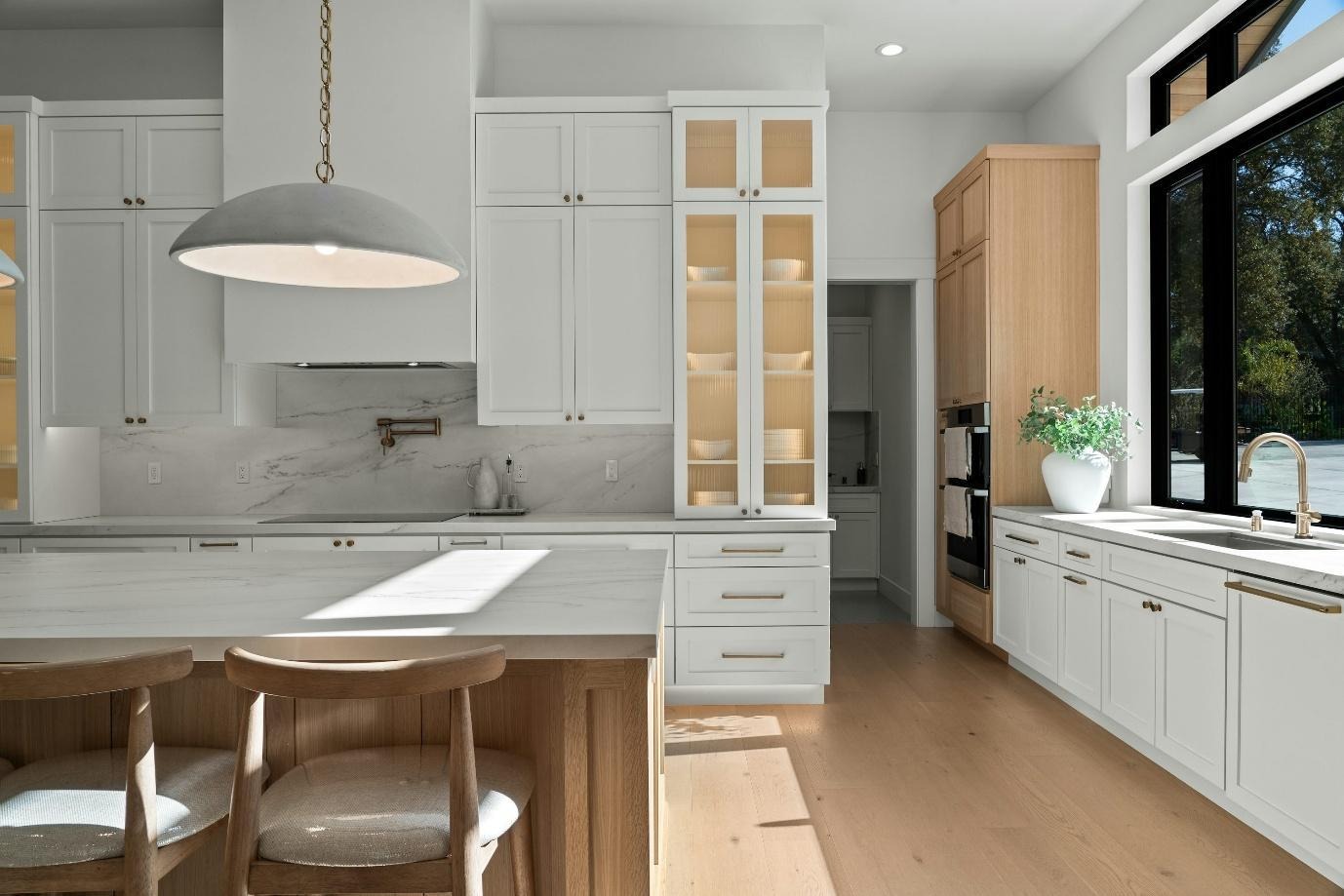
The kitchen has long been considered the heart of the home, but in recent years, its role has expanded even further.
What was once primarily a functional cooking space has evolved into a central hub where families connect, friends gather, and everyday conversations naturally unfold. The layout of a kitchen plays a crucial role in shaping how these interactions happen.
Thoughtful kitchen design can encourage people to gather comfortably, participate in shared activities, and spend more time together. On the other hand, poorly planned layouts can make social interaction feel awkward or disconnected.
By understanding how layout influences movement, visibility, and comfort, homeowners can create kitchens that support both cooking and connection.
The Kitchen as a Social Anchor
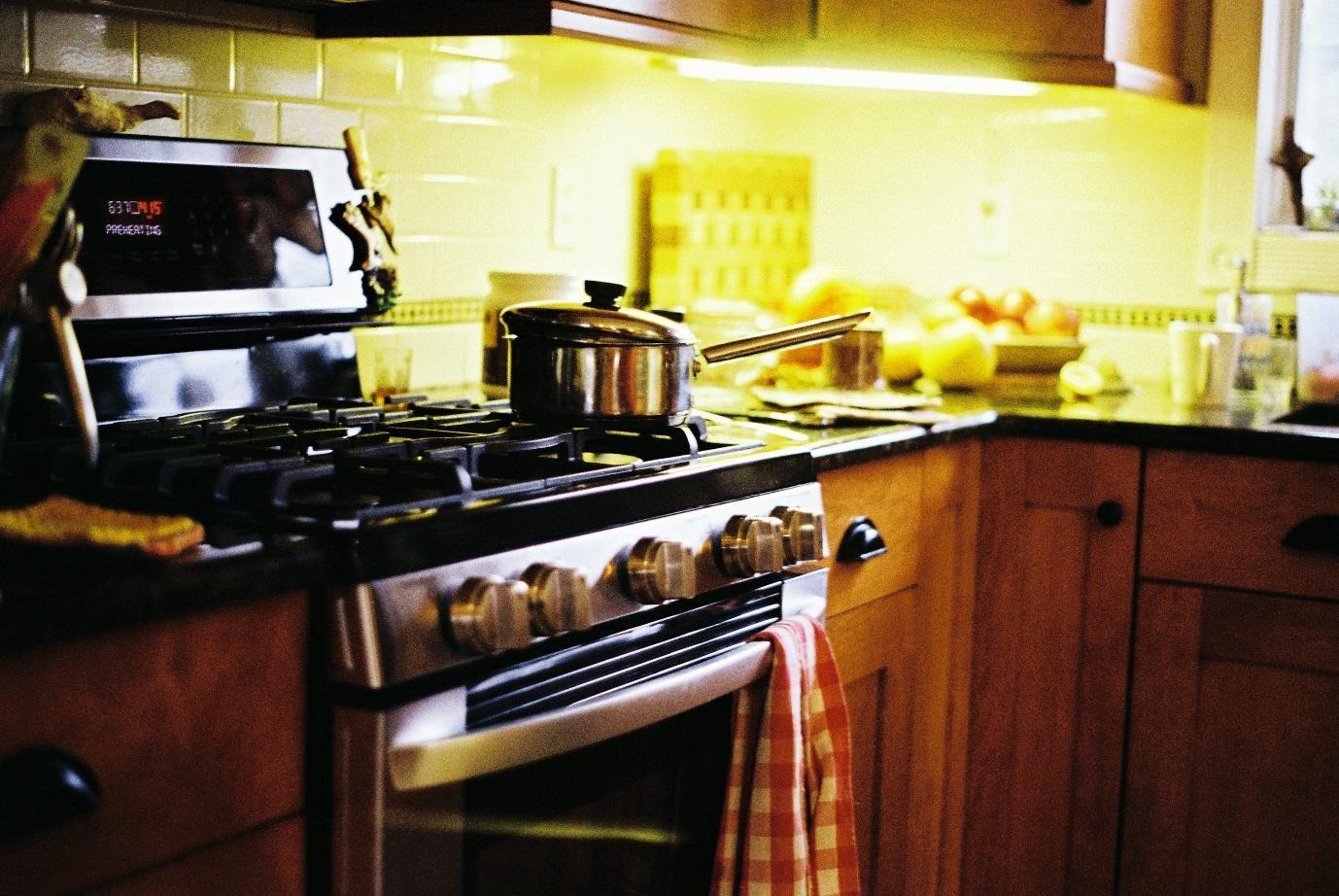
Modern homes increasingly revolve around the kitchen as a central meeting place. Whether it is morning coffee, helping children with homework, or chatting while dinner is prepared, many of the day’s informal interactions take place in this space.
Layouts that allow the kitchen to flow naturally into dining or living areas encourage people to linger rather than leaving once food preparation is finished. When the kitchen feels welcoming rather than isolated, it naturally becomes the social anchor of the home.
Open Layouts Encourage Interaction
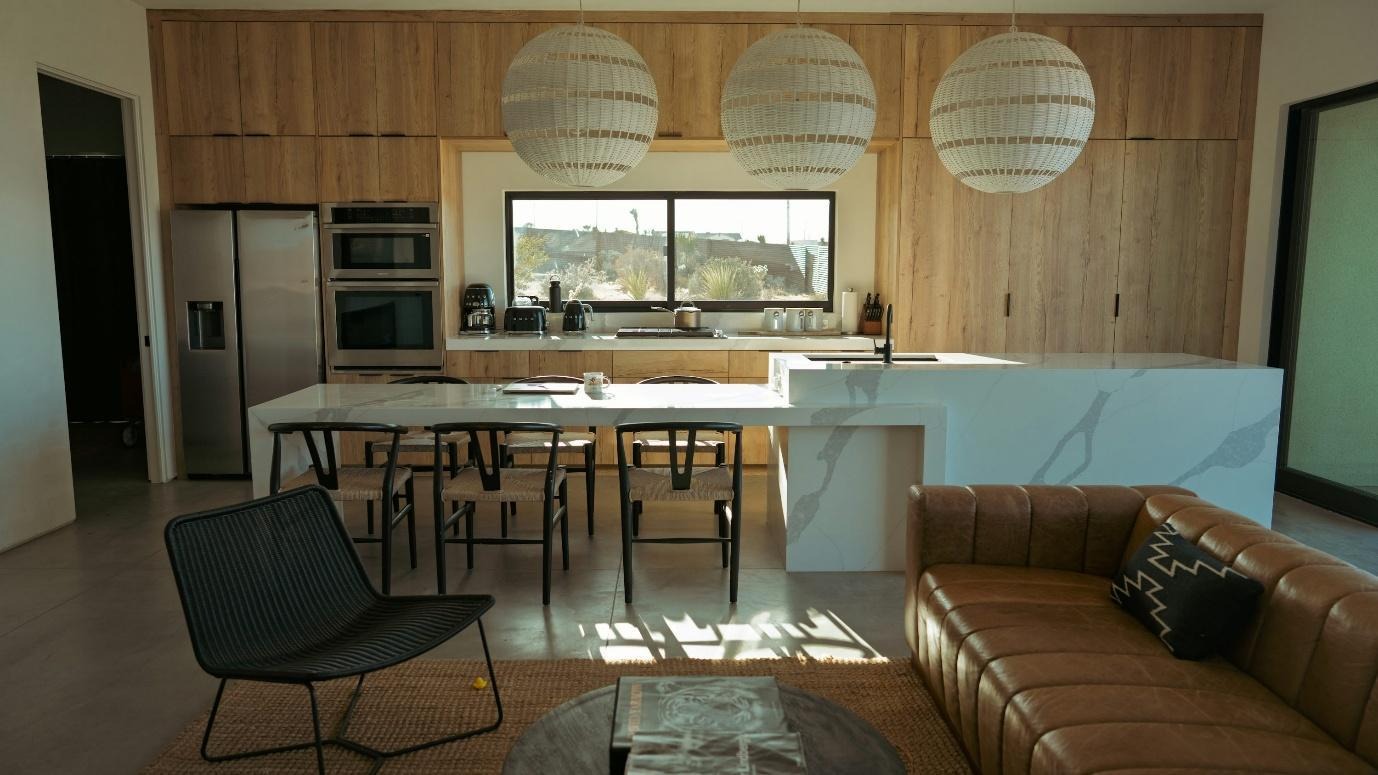
Open-plan kitchen layouts have become popular because they allow people to interact more freely while carrying out different activities. Removing walls between the kitchen and surrounding spaces creates visual connections that make conversations easier.
For example, someone preparing food can remain part of the conversation happening in the dining area or living room. Guests can gather nearby without feeling like they are standing in the way, and children can stay within sight while completing homework or playing.
Open layouts also allow natural light to travel further throughout the home, making the space feel brighter and more inviting.
Kitchen Islands Create Natural Gathering Points
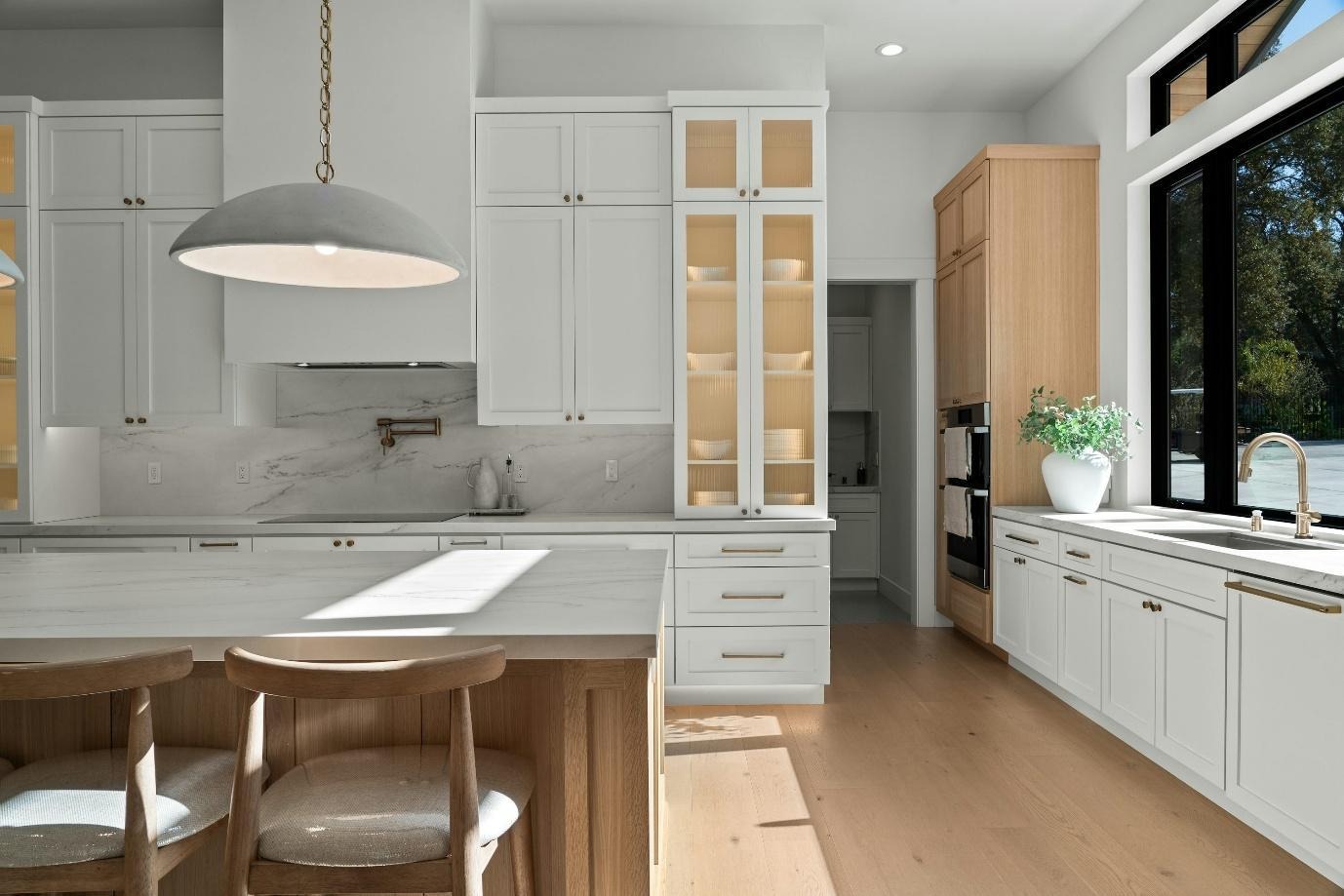
One of the most influential design features in modern kitchens is the island. Kitchen islands often serve as the informal centre of activity, offering space for food preparation, casual dining, and social interaction.
With seating around the island, family members and guests can sit comfortably while someone cooks, creating a relaxed and inclusive environment. This setup encourages conversation and shared moments, turning cooking into a social experience rather than a solitary task.
Islands can also help define the kitchen area within open-plan spaces, creating a natural gathering point without needing walls.
Visibility and Connection Matter
The ability to see and interact with others while cooking significantly affects how social a kitchen feels. Layouts that face seating areas, dining tables, or outdoor views allow the person preparing food to remain engaged with others.
For example, positioning the sink or preparation space so it faces outward toward the room can make a big difference. Instead of facing a wall, the cook can interact with guests, watch children play, or simply enjoy the view.
Architectural elements that connect the kitchen with outdoor areas can further enhance this sense of openness. Large glazed doors, such as those available from nowaluminium.co.uk, allow kitchens to open directly onto patios or gardens, creating additional space for social gatherings and outdoor dining.
Movement and Flow Shape the Social Experience
A well-designed kitchen layout should allow people to move comfortably through the space without disrupting cooking activities. If guests feel like they are constantly in the way, they may be less likely to gather there.
Clear pathways and designated zones for cooking, preparation, and seating help maintain smooth movement. When the space is easy to navigate, guests can move freely between areas, whether they are grabbing drinks, helping with meal preparation, or simply joining a conversation.
Good flow also prevents overcrowding during gatherings, making the kitchen feel more relaxed and accessible.
Lighting Influences Atmosphere
Lighting plays an important role in how welcoming a kitchen feels during social occasions. Bright task lighting is essential for cooking, but softer ambient lighting can create a more relaxed atmosphere when people gather.
Pendant lights over islands, warm under-cabinet lighting, and layered illumination can help balance functionality with comfort. When the lighting feels inviting rather than harsh, people are more likely to linger and enjoy the space.
Designing for Everyday Social Moments
Not every social interaction in a kitchen is a formal gathering. Many of the most meaningful moments happen during everyday routines, such as sharing breakfast before work, helping children prepare snacks, or chatting while dinner cooks.
Layouts that include seating areas, open sightlines, and comfortable flow make these moments easier to enjoy. When a kitchen supports casual interaction, it naturally becomes a place where people want to spend time.
Creating a Kitchen That Brings People Together
The design of a kitchen has a powerful influence on how people interact within the home. By focusing on openness, visibility, movement, and welcoming design features, homeowners can create spaces that encourage conversation and connection.
When a kitchen is thoughtfully designed, it becomes much more than a place to cook. It becomes a space where people gather, share experiences, and build everyday memories together.