


From Home Kitchen to Side Hustle: A Practical Guide to Starting Your Own Cooking Business
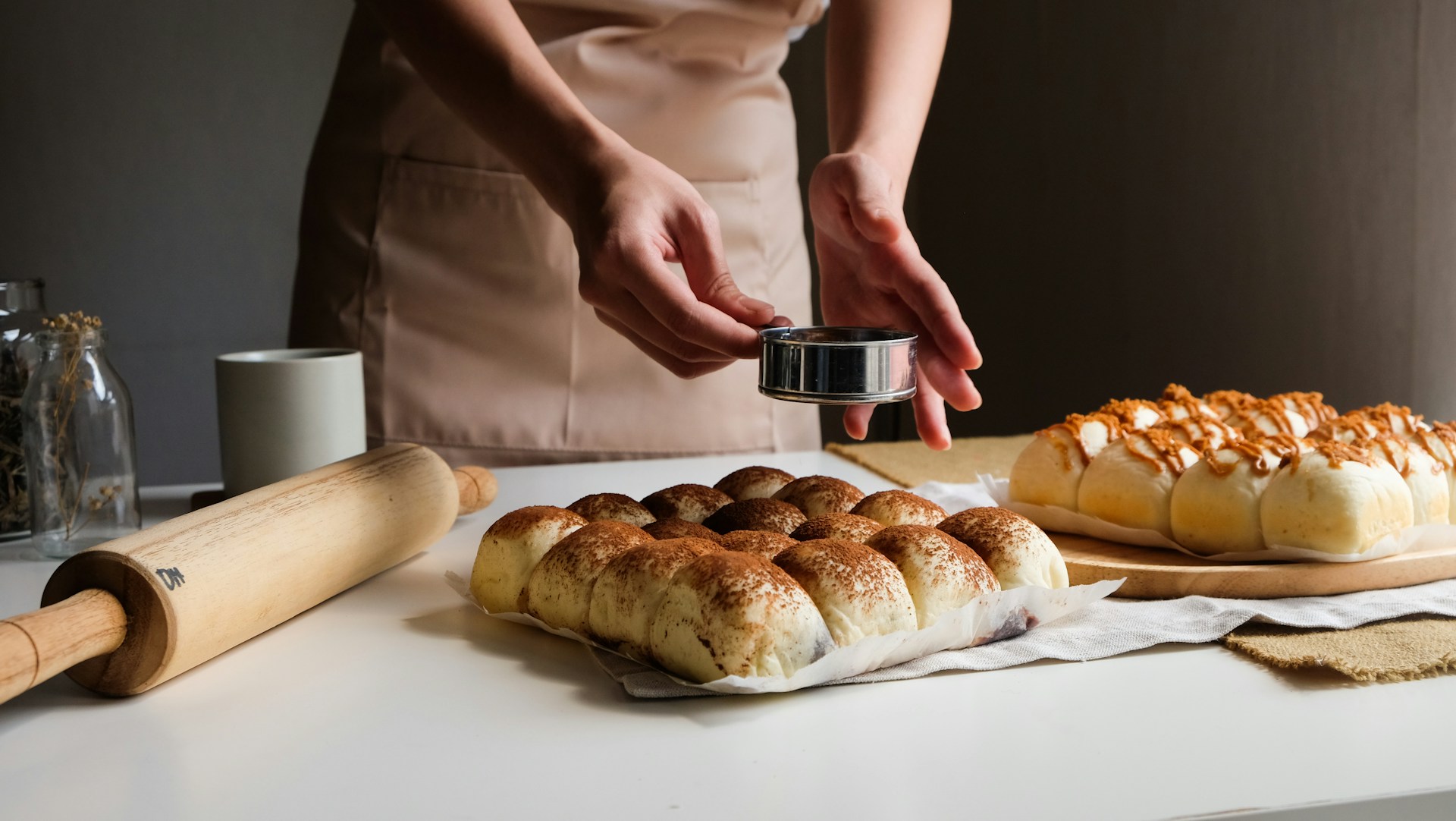
A lot of home cooks have thought about it at some point: what if people actually paid me for this? The idea of turning a hobby into income is exciting, but running a food business takes more than great recipes. You need to think like a business owner. That means getting serious about recipe consistency, food safety, packaging, and pricing. This article walks through each of those steps so you can figure out if selling your cooking is the right move for you.
Standardizing and Scaling the Recipe Formula
At home, a little extra salt or a generous pour of vanilla is part of the charm. Nobody complains when grandma's cookies taste slightly different every time. But the moment you start selling, consistency becomes everything. If someone buys your hot sauce on Monday and it tastes different on Friday, they won't buy it again.
The first thing to change is how you measure. Cups and teaspoons are fine for dinner, but they are unreliable for production. A cup of flour can vary by up to twenty percent depending on how you scoop it. Switch to a kitchen scale and measure everything in grams. It takes the guesswork out completely.
Scaling is the other trap. Going from four servings to forty is not just multiplication. Some ingredients, like baking powder, cayenne, or liquids, behave differently in larger volumes. Double the cayenne, and you might ruin an entire batch. The safest approach is to scale in stages, test each batch, and track how far your measurements deviate from the original recipe to ensure every batch comes out the same.

Legalities, Commercial Spaces, and Food Safety Standards
Prior to commercial sale, it is necessary to ensure legal compliance and implement strict food safety measures. Based on local laws, a cottage food law might enable one to sell their products from their own home kitchen. However, if the menu features perishable items containing meats, fresh dairy, or complex meal-prep assemblies, preparation must typically take place within a licensed and inspected commercial kitchen. To avoid the high initial capital requirements of building a private facility, emerging entrepreneurs often rent space in certified, shared-use commissary kitchens.
Within any commercial food operation, strict temperature regulation is the primary defense against foodborne pathogens. Commercial refrigeration systems must consistently maintain food temperatures at or below 40°F (4°C) to inhibit bacterial contamination. The United States Department of Agriculture (USDA) defines the "Danger Zone" as the temperature span between 40°F (4°C) and 140°F (60°C), a range where harmful bacteria such as Salmonella or E. coli can double in population every ten to twenty minutes. All perishable items must be properly cooled and refrigerated within two hours of preparation to prevent the accumulation of heat-resistant toxins, such as those generated by Staphylococcus aureus, which cannot be destroyed by subsequent cooking or reheating. When reheating previously prepared, properly refrigerated meals, the food must reach an internal core temperature of at least 165°F (74°C) to ensure it is completely safe for human consumption.
Brand Presentation and Shelf Presence
Your recipe could be incredible, but if the packaging looks cheap, people will walk right past it. Packaging serves as the initial interaction between a consumer and a food product, creating an immediate perception of the quality of the ingredients it contains. Decisions are frequently made at the retail shelf in a matter of seconds, making the physical design of the product a powerful marketing tool.
Visual elements, typography, and color schemes must seamlessly align with the core identity of the brand, whether the product aims to project a rustic, artisanal heritage or a clean, modern, wellness-focused aesthetic. Utilizing tactile finishes, such as premium textured sticker labels, can provide a physical sensation that reinforces the quality and care behind the product. At the same time, packaging must remain highly functional, ensuring it protects the food from light, air, and moisture degradation during transport. For a thorough examination of how structural design can elevate a brand’s retail performance, operators can explore the comprehensive guide on shelf appeal that sells: how branding and packaging win over hungry shoppers.

Establishing a Viable Pricing Structure
One issue that may lead to food companies failing after launch is underpricing. It is caused by the owner's tendency to calculate the product's cost using only ingredient prices. For the company to sustain itself in the long run, it must consider three different levels of costs. First, there are direct costs comprising the cost of the raw ingredients, packaging, labeling, and sealing, hence defining the cost per unit. The second level of cost comprises commercial rent, electricity, insurance, licenses, marketing, and delivery, all of which need to be allocated to each batch. Third are the labor costs, involving preparation time, cleaning of the kitchen, administration, and delivery.
After calculating the complete cost per unit, adding a sustainable gross profit margin—typically between fifty and sixty percent for retail food products—is necessary to absorb unforeseen operational expenses and facilitate wholesale distribution channels. To understand if the venture can realistically support the creator's lifestyle or transition from a part-time side hustle into a sustainable, full-time career, a monthly income calculator helps aspiring food entrepreneurs project their realistic take-home pay after accounting for ingredient costs, packaging, and time invested.
The process of taking a culinary skill set from the domestic kitchen to the commercial market is a very rewarding but complicated process. Success does not come simply from the quality of a dish, but from a commitment to rigorous standardization, uncompromising food safety, precise brand messaging, and meticulous financial calculations. The business-minded entrepreneur who approaches the kitchen with the discipline of a culinary professional can build a safe, profitable enterprise that confidently offers unique flavours to a much wider audience.