


From Home Kitchen to Online Shelf: What Home Chefs Should Know Before Shipping Food
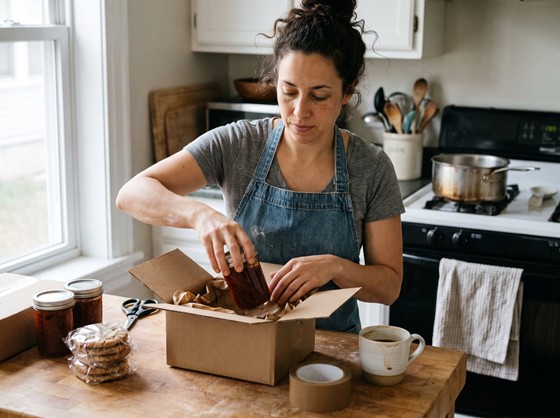
Everyone’s told you to sell your famous chili crisp. Or those brown butter cookies that vanish from the potluck table in ten minutes. The praise feels great, and the idea isn’t crazy. People are buying more food online than ever, and plenty of them would happily pay for something made by a real cook instead of a factory.
But cooking for people you know and shipping to people you’ve never met are very different jobs. Your family forgives a squashed box. A stranger leaves a one-star review. Before you open an online shop, it helps to know what changes: the rules you’ll follow, how you pack, and the moment it makes sense to stop doing everything yourself.
Why Your Kitchen Hit Could Travel Further Than You Think
Demand is real, and it’s growing fast. Brick Meets Click reported that U.S. e-grocery sales rose 20.7% year over year in the third quarter of 2026, reaching a record 20.9% share of grocery spending. Shoppers who’ve gotten used to ordering staples online are also getting comfortable ordering specialty items from small makers.
That's good news for a home chef with a signature recipe. It’s also a warning, because success arrives in waves. Ten orders a week fit on a kitchen table. Fifty orders the week before a holiday don’t. When orders outgrow your counter space and your evenings, food fulfillment services can take over the storage, packing, and dispatch so you can get back to the stove.
You don't need that on day one. Start with your own hands, learn what goes wrong, and let real orders tell you when to change.
Know the Federal Rules Before You Take Orders
Selling food isn’t the same as sharing it, and the paperwork surprises many first-timers. Here’s one piece of good news. Under the FDA’s food facility registration rules (21 CFR 1.227), a private residence isn’t considered a “facility,” so a cook working from a home kitchen generally doesn’t have to register. The catch: an outbuilding with a non-residential use, like a detached workshop you’ve converted, may need to register. Registration is free, but it's not optional if the rule applies to you.
Read the FDA’s registration and listing guidance before you print labels, and when in doubt, ask the agency directly.
Check Your State and Local Rules Too
Federal rules are only half the story. Most states have their own cottage food laws, which spell out what you can make at home, where you can sell it, and what a label must say. Counties and cities may add permits or kitchen inspections on top.
The rules vary a lot, so don’t trust a forum post from someone in another state. Penn State Extension’s guide to registering your food business is a useful walkthrough of the typical steps, and your local health department has the final word on yours. A twenty-minute phone call now beats a shut-down shop later.
Packing Food So It Arrives Fresh
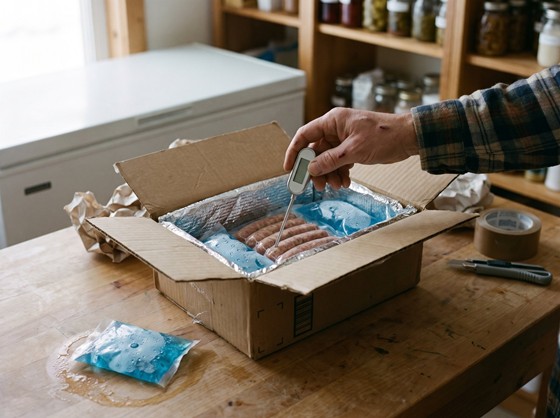
Shelf-stable goods are forgiving. Anything perishable isn’t. The USDA’s Food Safety and Inspection Service says perishable food should arrive at 40 F or below, and it shouldn't sit between 40 F and 140 F for more than two hours (one hour when it's above 90 F). Those numbers drive every packing choice you make.
Use an insulated liner, enough gel packs for a delay, and a “Keep Refrigerated” label on the outside. Tuck a note inside that says how to store the food. Ship early in the week so a box doesn’t sit in a warehouse over a weekend. And check that the delivery address isn’t an empty business office; a box left on a closed dock spoils fast.
The USDA's mail order food safety guidance covers the details. Also write a clear refund or replacement policy. Some boxes will fail, and a quick, kind fix keeps a customer.
Choosing Gifts and Seasons Wisely
The holidays are when many home food shops make most of their year, and they're also when carriers get slammed. Cookies, spice blends, sauces, and jams ship far more easily than anything needing a cooler. If you’re new to this, start with products that handle a few extra days in transit.
Gift buyers want something that looks as good as it tastes, which is why presentation matters. Our guide to luxury food gifts shows what buyers consider worth splurging on, and it’s a good way to sanity-check your own packaging and pricing.
Knowing When to Hand Off the Boxes
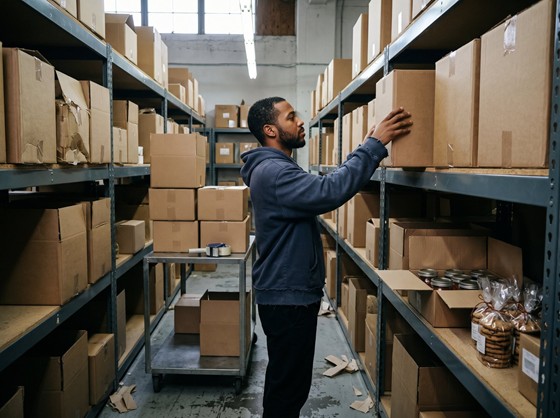
There's no shame in doing every order yourself, and there’s no prize for doing it forever. Handing off makes sense when packing eats the hours you’d spend cooking, when holiday spikes leave you behind, when you’re shipping across many states, or when boxes are crowding out your pantry.
If you outsource, ask pointed questions. Has the partner handled your type of food, whether dry goods or temperature-sensitive items? Does it connect to your online store? What are the minimum volumes? A partner that can’t answer plainly isn't ready for your recipes.
Waste deserves a place on that list too. Oversized boxes and too much filler cost money and fill landfills. Our food responsibility primer is a good reminder that how you pack is part of how you cook.
Start Small, Then Scale
You don’t have to pick between hobby and business on day one. Sell to a few neighbors, ship a handful of boxes to friends in other states, and see what breaks. Get the safety basics right first, because nothing damages a food brand like a customer getting sick. Then grow at a pace your kitchen, and your enjoyment of cooking, can handle.
The best home food businesses still feel like home cooking. Keep that part, and let the boxes follow.