


Flavor Trends 2027, and the Fat that Came Back
Of the flavor trends lining up for 2027, the reversal in fats is the one you will feel first at the stove. Ask a home cook what oil they use and most will say olive oil. Four in five American home cooks reach for plain olive oil, which makes it the default fat in the country by a wide margin. It also lost 8.8% of those cooks over the past year.
What gained is the interesting part. Tastewise tracked claim share across fats in US home cooking, and the pattern in the 2027 forecast from Tastewise is consistent. Brown butter gained 30.7%. Beef tallow gained 28.2%. Herb butter gained 14.0%.

Where this sits among the 2027 trends
Tastewise sets out ten shifts for 2027 across four pressures: control, realness, belonging and delight.
Fats sit under delight, next to beauty ingredients arriving in food and shoppers splitting one weekly shop across four retailers. The rest cover agentic shopping and health claims giving way to named mechanisms. Then single ingredients sold as parts, coffee formats crossing borders, collapsing mealtimes and everyday preservation.
This piece takes the fats. All ten are on the forecast page.
Why are cooks moving away from plain olive oil?
Because a fat is now judged by how much was done to it before it reached the bottle.
Refined, deodorized and bleached are words shoppers picked up from the ultra-processed argument, and they apply them across the whole aisle. A health claim does not survive a manufacturing story. Extra virgin olive oil, avocado oil, unsalted butter, ghee and plain coconut oil are all moving the same way.
The fats gaining share have a visible origin or a visible process. You can see what brown butter is. You know where tallow comes from. That legibility is doing the work that a health claim used to do.
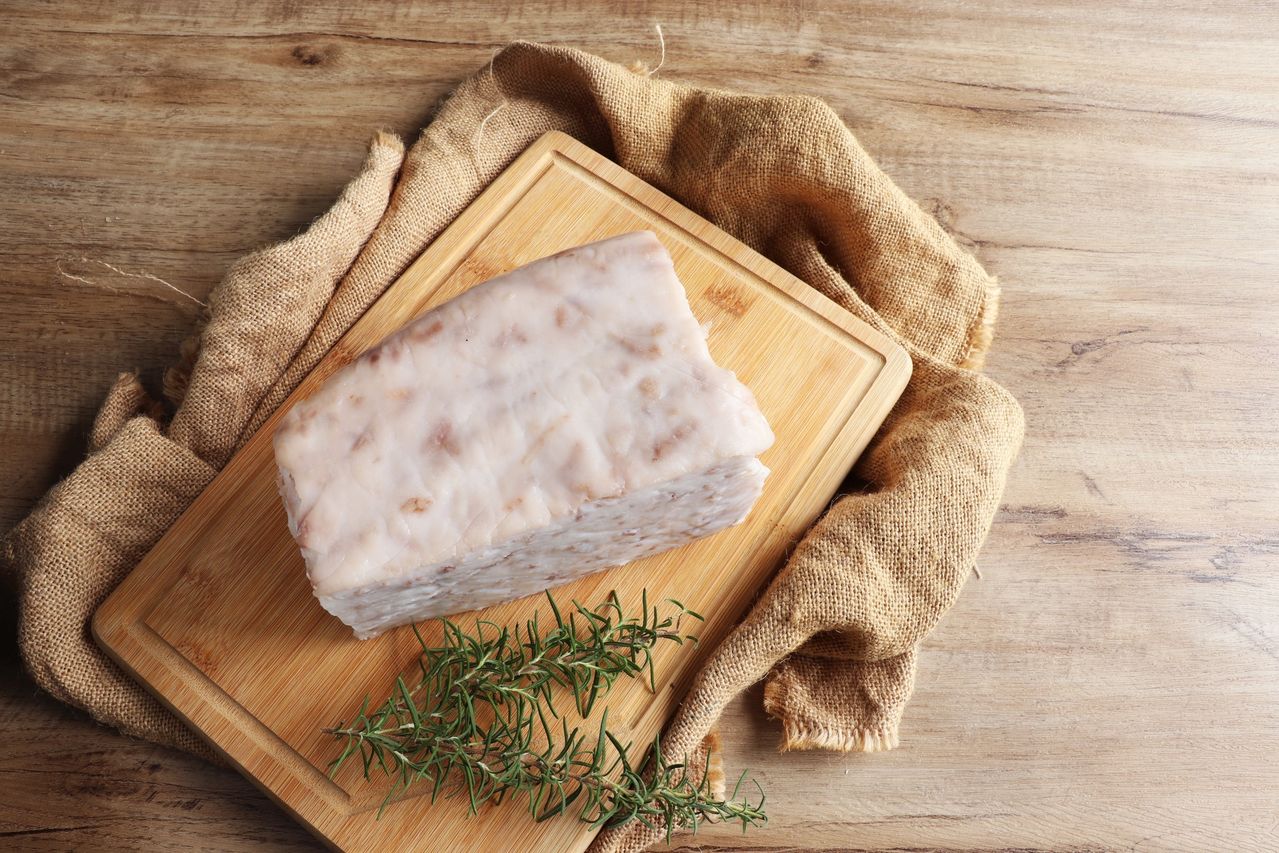
What is driving the beef tallow revival?
Tallow is the clearest case of a fat winning on provenance alone.
It remains a niche choice in absolute terms, reached by far fewer home cooks than olive oil. Inside that smaller group it carries the fastest rising claim share of any fat in the set, at 28.2%. A national snack brand now puts it on the front of the bag.
For anyone cooking at home, the practical note is that tallow behaves like a high smoke point fat with a savory finish. It suits roast potatoes, pastry and anything shallow fried, and it reads as deliberate on a menu in a way that vegetable shortening never did.
What happened to the diet words?
They are collapsing almost across the board.
Of eighteen diet descriptors tracked in US home cooking, seventeen are in decline. Keto fell 39%. Clean eating fell 32%.
That is the same mechanism seen in the fats. The vocabulary that used to sort food into good and bad has lost its authority, and specific, checkable facts about an ingredient have taken over the sorting job.
What this means in a working kitchen
Three readings for anyone who cooks and writes about it.
Season the fat, and say so. Growth concentrates in the fats that season on contact. Brown butter at 30.7% and herb butter at 14.0% are both cases of a familiar fat with one step added, and that one step is what the reader is responding to.
Name the process in the recipe title. Browned, cultured, rendered, infused. These are the words carrying share now, and they do more for a recipe than any health framing attached to the same ingredient.
Stop leading with health claims on fat. The entire health framed group is losing ground, and a recipe that opens by defending its oil on health grounds is arguing in a language the audience has started to ignore.
Where the rest of this sits
This is one of ten shifts in the Tastewise Food and Beverage Forecast 2027, which covers the US across consumer panel, menu and retail data. The fats section carries the full claim table, the brands already moving on it, and what the provenance claim does to price.
The forecast is free and downloadable from the forecast page.
Frequently asked questions
What are the flavor trends for 2027?
Tastewise groups 2027 into ten shifts. On flavor the main ones are fats judged on provenance in place of health, diet vocabulary collapsing, travelling coffee formats built on condensed milk, and preserved flavors such as pickles and jerky moving into everyday ranges.
Is beef tallow actually trending in 2027?
Tastewise claim share data shows beef tallow carrying the fastest rising claim share of any fat in US home cooking, at 28.2% year on year. It remains a small choice in absolute terms, reached by far fewer cooks than olive oil, with the momentum clearly behind it.
What is replacing olive oil in American kitchens?
Nothing is replacing it outright, since four in five home cooks still reach for it. The movement is towards fats with a visible process or origin, including brown butter at 30.7% and herb butter at 14.0% claim share growth over the past year.
Why are keto and clean eating declining?
Seventeen of eighteen diet descriptors tracked in US home cooking are falling, with keto down 39% and clean eating down 32%. Shoppers have shifted from diet labels to checkable facts about ingredients, including how a product was made and where it came from.
Claim figures come from Tastewise, US home cooking, July 2025 to July 2026 against the prior year.