


Everyday Food Rituals That Make Home Feel More Intentional
Food-centered living isn’t only about recipes or special occasions. On platforms like foodnessgracious.com, the focus is often on the quieter moments that shape how food fits into daily life: the first cup of coffee in the morning, the way a kitchen becomes a gathering point, or how small details turn ordinary routines into something more deliberate.
Morning rituals are a good example. For many households, coffee isn’t treated as a luxury but as a steady anchor that starts the day with familiarity. A setup built around a coffee machine like the jura e6 often becomes part of that rhythm, producing consistent results without turning preparation into a project. It doesn’t redefine the kitchen or dominate the counter; it simply supports a habit that already exists, allowing people to move into the day with a sense of calm rather than rush.
That idea of intention without excess runs through modern food culture. The goal isn’t to elevate every moment into an event, but to make everyday experiences feel considered, comfortable, and repeatable.
Hosting That Feels Relaxed, Not Overproduced
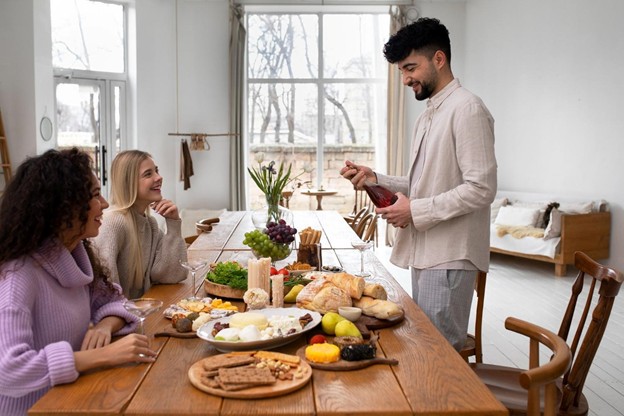
Entertaining at home has shifted noticeably in recent years. Instead of elaborate, formal hosting, many people lean toward gatherings that feel casual and personal. Friends drop by for backyard dinners, weekend lunches stretch into evenings, and celebrations are designed to be flexible rather than perfectly staged.
In these settings, the best hosts are often the least busy ones. When the basics are handled, food, drinks, and atmosphere, everything else falls into place more easily. Small, practical touches contribute to that ease. Items like bachelorette koozies, for example, often show up at informal celebrations not as centerpieces, but as functional details that keep drinks cold and hands free, letting people focus on conversation instead of logistics.
This approach reflects a broader philosophy of hospitality. Comfort matters more than presentation, and shared enjoyment matters more than perfection.
Research into social eating habits supports this shift. According to analysis from the Pew Research Center, people increasingly value shared, informal meals as a way to strengthen social connections, particularly when gatherings feel low-pressure and inclusive. The takeaway is simple: ease enhances enjoyment.
The Kitchen as a Social Space
Modern kitchens are rarely just for cooking. They function as meeting points, coffee bars, and conversation hubs. Even when meals are simple, the space itself invites people to linger. This is one reason food culture places so much emphasis on flow, how people move through a kitchen, where they pause, and what draws them together.
When tools and setups are predictable, hosts don’t need to step away repeatedly to manage them. Coffee machines, drink stations, and serving areas that work reliably allow attention to stay with guests. The kitchen remains open and social instead of becoming a back-of-house workspace.
This design mindset mirrors what many food-focused households value most: presence. Good food brings people together, but smooth systems keep them there.
Celebrations Without the Stress
Not every gathering needs a theme or timeline. Some of the most memorable celebrations are the ones that feel spontaneous, even when they’re lightly planned. The trick is removing friction so spontaneity feels possible.
That might mean preparing food in advance, simplifying drink options, or using items that reduce cleanup and coordination. When guests don’t have to ask where to put their drink or whether something is available, they relax more quickly. Hosts relax too, which changes the tone of the entire event.
This philosophy aligns with trends in home entertaining that prioritize sustainability and reusability over single-use extravagance. Functional items that can be used across multiple occasions tend to stick around, becoming part of a household’s hosting toolkit rather than a one-off purchase.
Food, Memory, and Repetition
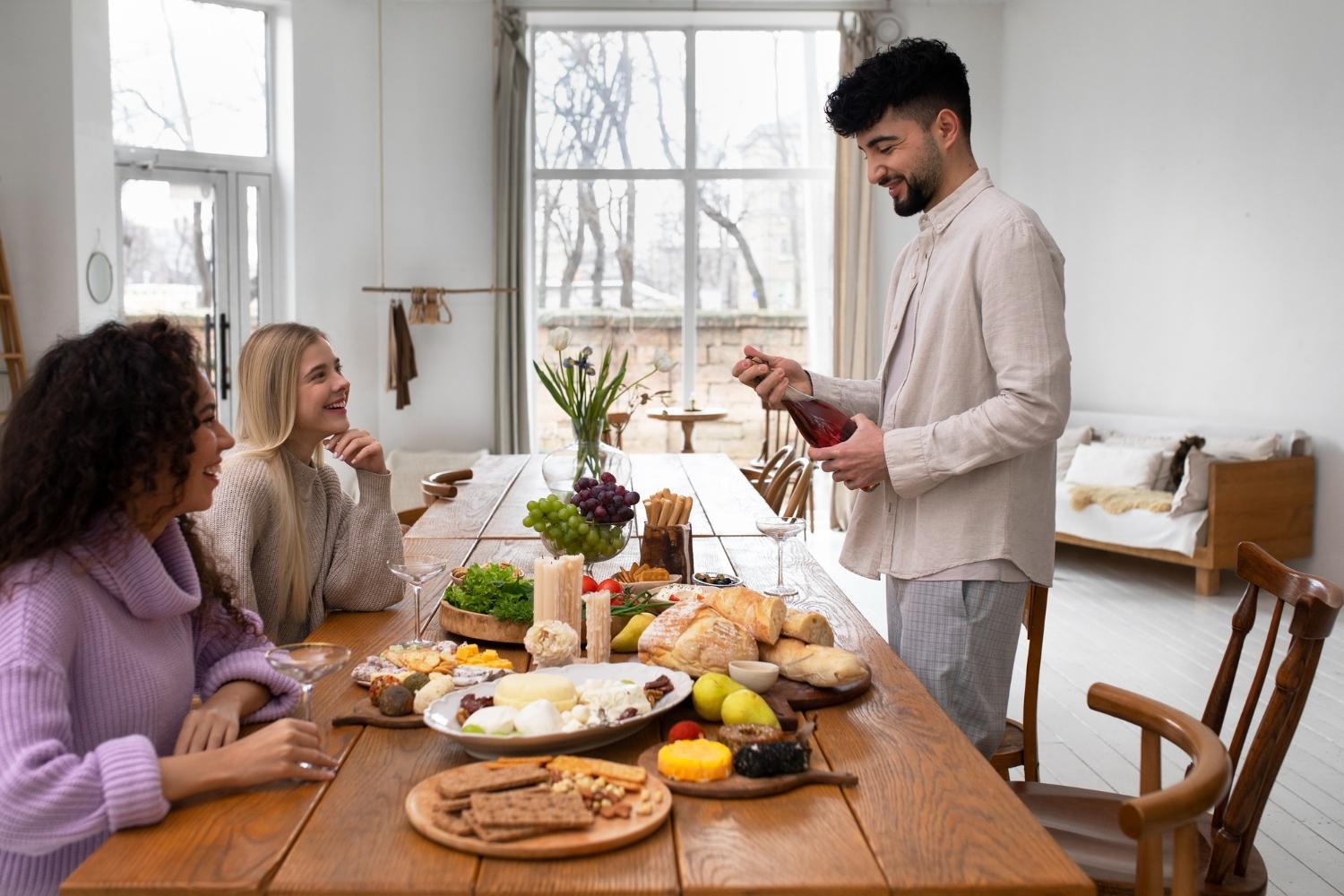
One reason food rituals matter so much is their connection to memory. People may not remember every dish, but they remember how a gathering felt. Was it rushed or relaxed? Structured or fluid? Loud or cozy?
Repetition plays a big role here. When similar moments happen again and again, coffee shared at the counter, drinks passed around the patio, laughter spilling into the kitchen, they become part of a household’s identity. These moments don’t need novelty to feel meaningful. They need consistency.
Food culture often celebrates experimentation, but stability has its own value. Reliable routines give people something to return to, especially during busy or uncertain periods.
Making Space for Connection
At its core, food-centered living is about connection. Meals create natural pauses in the day, and gatherings create shared time that’s hard to replicate elsewhere. When the practical details are handled thoughtfully, these moments unfold more naturally.
This doesn’t require expensive ingredients or elaborate planning. It requires attention to how people experience the space and the moment. Are they comfortable? Are they included? Do they feel welcome to stay a little longer?
When those questions are answered quietly through good setup and thoughtful choices, the result feels effortless, even if it wasn’t.
Why Simplicity Endures
Trends in food and hosting come and go, but simplicity tends to endure. Clear routines, familiar flavors, and practical tools age better than novelty-driven approaches. They adapt easily as tastes change or households grow.
This is why many people gravitate toward systems and habits that don’t need constant reinvention. They want food and hosting to be enjoyable parts of life, not ongoing projects.
On foodnessgracious.com, that balance between flavor, comfort, and real life is what resonates most. Food isn’t separate from daily living; it’s woven into it.
Letting Food Support the Moment
When food rituals work well, they support the moment instead of competing with it. Coffee fuels conversation rather than distraction. Drinks stay cold while laughter flows. Kitchens stay open, not closed off.
These details may seem small, but together they shape how people experience home. Over time, they create an environment where connection feels natural and food feels generous, even when it’s simple.
In the end, intentional food living isn’t about doing more. It’s about removing obstacles so the moments that matter most have room to unfold.