


Cooking for a Crowd from a Home Kitchen: How to Prep, Store and Serve Without the Chaos
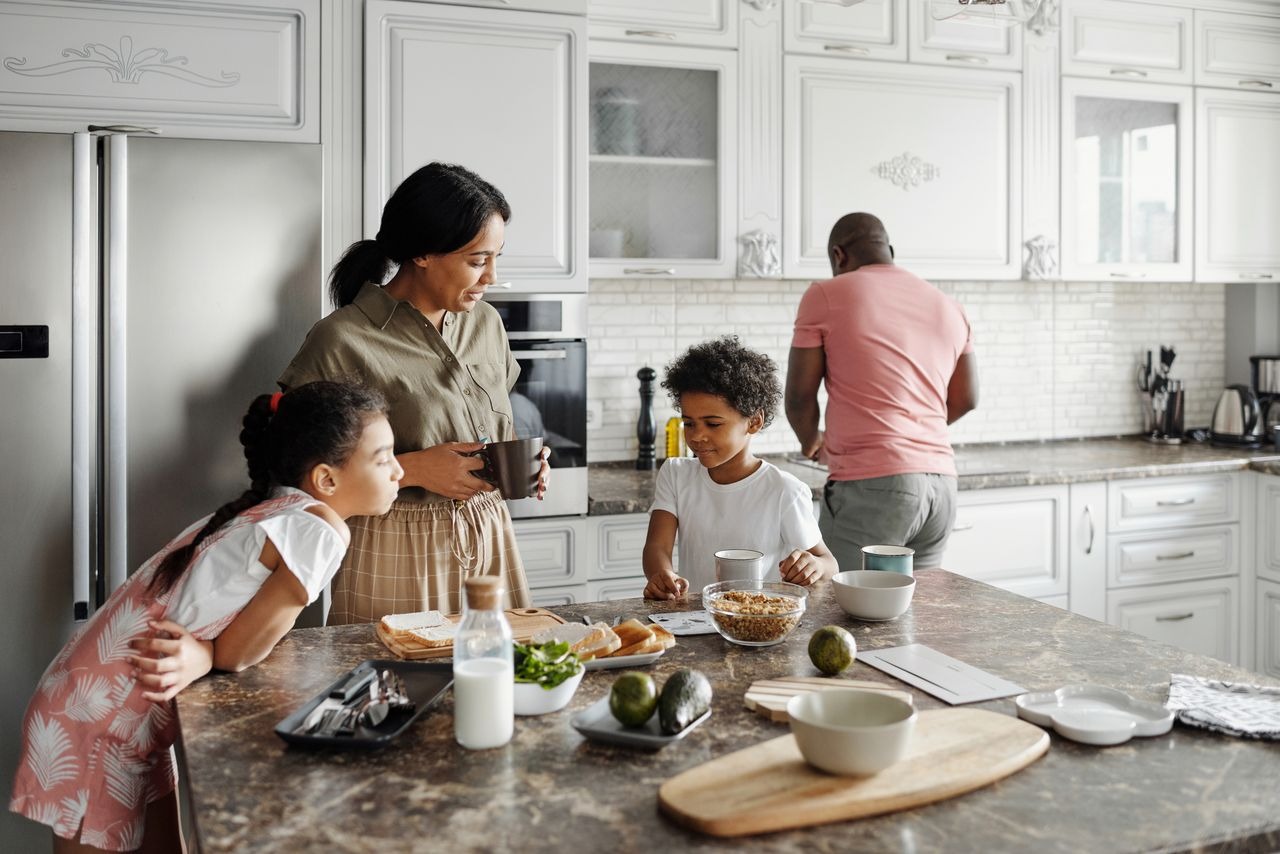
It’s the night before twenty people show up, and your kitchen has quietly declared war on you. Three dishes are half-made. The counters are gone. And when you go to stash the marinating chicken, there’s nowhere to put it, because the fridge is already full of the groceries you bought to make everything else.
Cooking for a crowd at home isn’t really a recipe problem. It’s a timing and space problem wearing a recipe’s clothes. Get those two things right and the rest is just following instructions.
Here’s how to do it without the day falling apart.
Plan Backward From The Serve Time, Not Forward From A Recipe
Most crowd-cooking stress comes from starting in the wrong place. You find a dish you love, then try to bend the whole day around it. Flip that. Pick the hour the food needs to hit the table, then work backward: what has to be hot, what’s fine cold, what can be made two days early, and what genuinely can’t be touched until the last hour.
Portions trip people up too. For a buffet with a few dishes, plan on roughly a cup and a half of each main per person and about four ounces of protein. A little less if there are lots of sides, a little more if teenagers are coming. Then write the entire menu on one sheet of paper with a time next to each task. That single page does more for a calm kitchen than any gadget you can buy.
Cook Ahead, But Cook The Right Things Ahead
Making food in advance is the whole game when you’re feeding a crowd. Not everything rewards it, though. Braises, stews, chili, curries, tomato-based sauces and most casseroles are genuinely better on day two, once the flavors have settled and your only job is reheating. Soups, the same. Anything roasted and meant to be crisp is the opposite. Reheated roast potatoes are a sad, soggy thing, and I’d skip making them ahead altogether.
Lasagna is a good example of the halfway approach: assemble it fully the day before, keep it cold, then bake it fresh on the day so the top isn’t rubbery from reheating. Same idea with a roast: season and tie it the night before, cook it the day of.
Leave the truly last-minute jobs for last: dressing the salads, searing, anything fried, anything that wilts. A good target is to have about eighty percent of the meal cooked and chilling in the fridge the night before, then spend the final hour on the twenty percent that can’t wait.
The Part Nobody Plans For: Where Does All Of It Go?
This is where the wheels come off. You’ve cooked ahead like a pro, and now you’re holding four big containers of finished food, a turkey that needs room to thaw, drinks to chill, and a fridge that was already doing its normal weekly job. Something has to give.
Usually it’s food safety. People wedge warm dishes next to cold ones, block the air vents, and the whole cabinet drifts warm without anyone noticing. A standard home fridge holds its temperature well when it’s half full and badly when it’s crammed to the door. If cooking for a crowd is a once-a-year thing, the fix is easy: borrow a cooler, buy a bag of ice, and don’t overload the fridge.
But if you host often, run a cottage-food or home catering side business, or you’re simply the person the whole extended family counts on every holiday, the math shifts. At that point plenty of home cooks start pricing up a proper commercial fridge.
The real difference isn’t just the extra space. It’s that a commercial unit is built to hold a steady temperature with the door opening every few minutes and the shelves packed full, which is exactly the situation a domestic fridge handles worst. It’s a bigger commitment and it isn’t for everyone. For a serious repeat host, it can be the thing that turns a stressful day into a routine one.
Keep It Safe: The Danger Zone Is Real, And Crowds Make It Worse
Big batches cool slowly, and slow cooling is where people get sick. Bacteria multiply fastest between 40°F and 140°F, the range known as the “danger zone,” so the aim is to move food through it quickly rather than leaving a giant pot of chili on the stove to cool overnight.
Split big batches into shallow containers so they chill faster. Get anything meant to be served cold into the fridge within two hours, or within one hour if your kitchen is above 90°F, which it will be with the oven running and a house full of people.
On the day itself, hold hot food at 140°F or above and cold food at 40°F or below. A slow cooker set to “warm,” a low oven, and a couple of ice-bath trays tucked under the cold platters will hold the line for a few hours without you standing guard.
Serve So You’re Not Trapped In The Kitchen
The last thing to go wrong isn’t culinary, it’s social: the cook who never sits down. Set the food out in an order that lets you step away from it. Cold dishes and anything that’s happy at room temperature for a while go out first. Hot dishes come out in the final ten minutes, straight from oven or slow cooker to the table.
Stack the plates and lay out the serving spoons ahead of time so nobody’s rummaging through drawers halfway through the meal. Then put out a small “overflow” table for the dishes that don’t fit, because there are always a few, and you’ve quietly solved your space problem at both ends of the day.
The Real Skill Isn’t The Cooking
The people who make feeding a crowd look effortless aren’t better at recipes than you are. They’ve just worked out that the hard parts are timing, temperature and space, and they deal with those before they preheat a single thing. Sketch your one-page plan this week, before the next big occasion sneaks up on you. The recipes can look after themselves.