

.png)

Bringing the Tandoor Home: How Backyard Clay Ovens Are Changing American Grilling
American backyard cooking has never been limited to one type of grill. From charcoal kettles and smokers to kamado cookers and pellet grills, home cooks are always looking for better ways to create restaurant-quality food outdoors. Now, home tandoor ovens are giving serious grillers another way to approach high-heat cooking.
A tandoor brings something different to the backyard. Instead of relying on a horizontal cooking surface, it uses an enclosed, high-temperature environment to bake breads, roast meats, and char vegetables. The technique has deep roots in South Asian cooking, but its emphasis on intense heat and live-fire flavor makes it surprisingly well suited to America's growing backyard-grilling culture.
For home cooks who enjoy experimenting, the tandoor offers a completely different cooking experience.
Why Home Tandoor Ovens Are Finding a Place in American Backyards
The popularity of outdoor cooking has created a market for equipment that goes beyond the traditional grill. Many home cooks already have a barbecue, smoker, or pizza oven, but adding a specialized cooker can open up entirely new recipes.
That is where home tandoor ovens become interesting.
A tandoor is designed around intense heat. Once properly heated, the oven can cook food quickly while producing the browned edges, roasted flavors, and light char associated with traditional tandoori dishes.
For American grillers, this creates an opportunity to explore foods that are not normally prepared on a backyard barbecue.
Fresh naan can be cooked directly against the heated interior wall. Chicken can be marinated and cooked on skewers. Vegetables can be roasted until their edges develop a deep char. Kebabs can be cooked quickly while retaining a juicy interior.
The result is a cooking style that feels familiar because it uses heat and fire, but different enough to make backyard meals more interesting.
Understanding Backyard Tandoor Cooking
At the center of backyard tandoor cooking is heat management.
Unlike a conventional barbecue, where food is generally positioned above a grate, a tandoor surrounds food with intense heat. The walls absorb and radiate heat, creating a high-temperature environment suitable for both breads and grilled foods.
Learning backyard tandoor cooking therefore starts with understanding how the oven behaves.
A new cook might begin with naan because it demonstrates the unique characteristics of the tandoor immediately. The dough is shaped, stretched, and carefully placed against the hot interior wall. In a short time, it develops bubbles, browned spots, and lightly charred areas.
That same principle can be applied to meat and vegetables.
With backyard tandoor cooking, marinades are especially important because they can help add flavor and moisture before food enters the high-temperature oven. Chicken, lamb, paneer, mushrooms, onions, and peppers can all be prepared with different combinations of herbs and spices.
The goal is not simply to cook food quickly. It is to use intense heat to transform texture and flavor.
A Different Kind of Backyard Grill
One reason backyard tandoor cooking appeals to experienced grillers is that it does something a standard grill cannot easily reproduce.
A barbecue grate creates direct contact between the food and the cooking surface. A smoker surrounds food with lower-temperature indirect heat. A tandoor provides a different combination of radiant heat and enclosed cooking.
This makes it particularly useful for breads and skewered foods.
The vertical design also changes how the cook interacts with the food. Instead of flipping burgers across a grate, the cook works with skewers, dough, and the interior walls of the oven.
For anyone who enjoys learning new cooking techniques, backyard tandoor cooking can be as much about the process as the final meal.
The learning curve can actually be part of the fun. Once a cook understands temperature, timing, and food placement, the oven becomes a versatile outdoor cooking tool.
From Kamado Grills to Tandoors
American backyard cooking has embraced specialized equipment before. Kamado grills became popular because they offered excellent heat retention and versatility. Pellet grills attracted home cooks who wanted controlled cooking temperatures with a wood-fired character.
A tandoor fits into this same broader movement toward specialized outdoor cooking.
The difference is that backyard tandoor cooking brings a culinary tradition with a very different history and technique.
A kamado can roast, smoke, bake, and grill. A pellet grill can provide controlled wood-fired cooking. A tandoor specializes in intense heat and the particular style of cooking associated with its design.
For serious home cooks, there is no reason one piece of equipment has to replace another.
Someone might use a smoker for brisket, a pizza oven for pizza, and a tandoor for naan and kebabs.
That is part of the appeal of backyard tandoor cooking: it adds another dimension to an already diverse outdoor kitchen.
Choosing Home Tandoor Ovens for Your Space
Before buying equipment, home cooks should think about how they actually plan to use it.
Some people want to prepare traditional naan and tandoori chicken. Others may be more interested in experimenting with vegetables, seafood, flatbreads, or fusion recipes.
The size of the cooking area matters, as does the available outdoor space. Fuel type, heat control, construction, maintenance, and placement should also be considered.
For cooks who regularly host friends and family, home tandoor ovens can become a useful centerpiece for outdoor meals.
Instead of preparing everything in advance and bringing it outside, the tandoor can become part of the cooking experience itself.
Guests can watch naan being prepared or see skewers coming out of the oven. That visual element makes backyard tandoor cooking particularly suitable for gatherings.
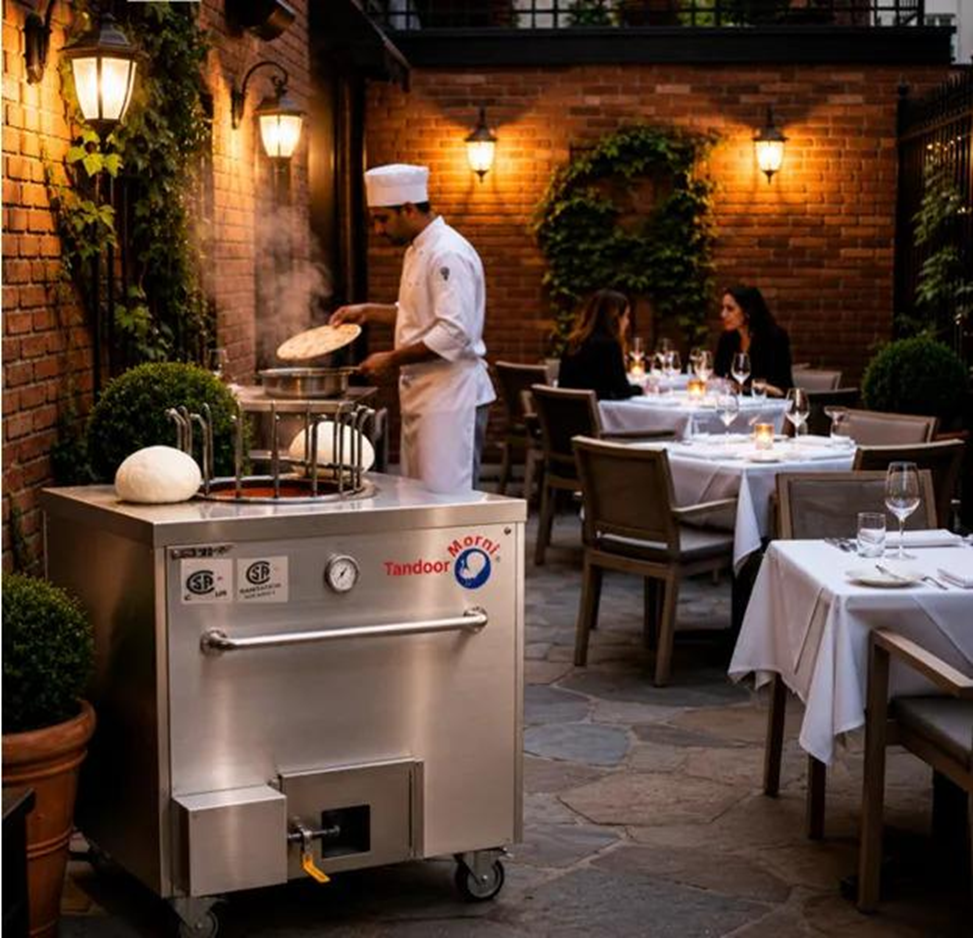
What Can You Cook in a Tandoor?
The answer goes far beyond chicken.
Naan is perhaps the most recognizable example, but backyard tandoor cooking can include a surprisingly wide range of foods.
Naan and Flatbreads
Fresh naan cooked in a tandoor has a texture that is difficult to reproduce in a standard home oven. The intense heat creates blistered surfaces and lightly charred areas while keeping the inside soft.
Other flatbreads can also be experimented with depending on the recipe and dough.
Tandoori Chicken
Chicken is one of the classic applications for backyard tandoor cooking. A flavorful marinade can be prepared ahead of time, allowing the meat to absorb spices before being cooked over intense heat.
The result is browned on the outside while remaining tender inside.
Kebabs and Skewers
Skewered meats and vegetables are another natural fit. Because the food is suspended inside the hot cooking chamber, it can develop char without sitting directly on a conventional grate.
Vegetables
Vegetables are also excellent candidates for backyard tandoor cooking. Peppers, onions, tomatoes, mushrooms, and other ingredients can develop roasted edges and concentrated flavors.
This makes the tandoor useful for vegetarian meals as well as meat-based dishes.
Getting Better Results From Backyard Tandoor Cooking
Like any specialized cooking equipment, a tandoor rewards practice.
The first step is learning the oven's heat. Different models can behave differently, so cooks should spend time understanding how quickly the oven heats and how long it retains temperature.
Food preparation matters just as much.
With backyard tandoor cooking, ingredients should be prepared according to the cooking method. Marinades need enough time to develop flavor, while dough needs the right consistency to adhere properly to the hot wall.
Timing is also important.
High heat means food can cook faster than a new user expects. Checking food regularly and learning how different ingredients respond will help build confidence.
Over time, backyard tandoor cooking becomes less about following exact minutes and more about recognizing visual and sensory cues.
Don't Forget the Accessories
A good outdoor cooker is only part of the setup. The right tools can make preparation and handling much easier.
For cooks exploring backyard tandoor cooking, useful equipment may include skewers, tools for handling hot food, brushes, protective gloves, and cleaning supplies.
Quality tandoor oven accessories can also help organize the cooking process and make it easier to work safely around high temperatures.
The right accessories are especially useful when preparing several types of food during one outdoor meal. A cook may need different skewers for meat and vegetables, tools for managing naan, and equipment for safely removing cooked food.
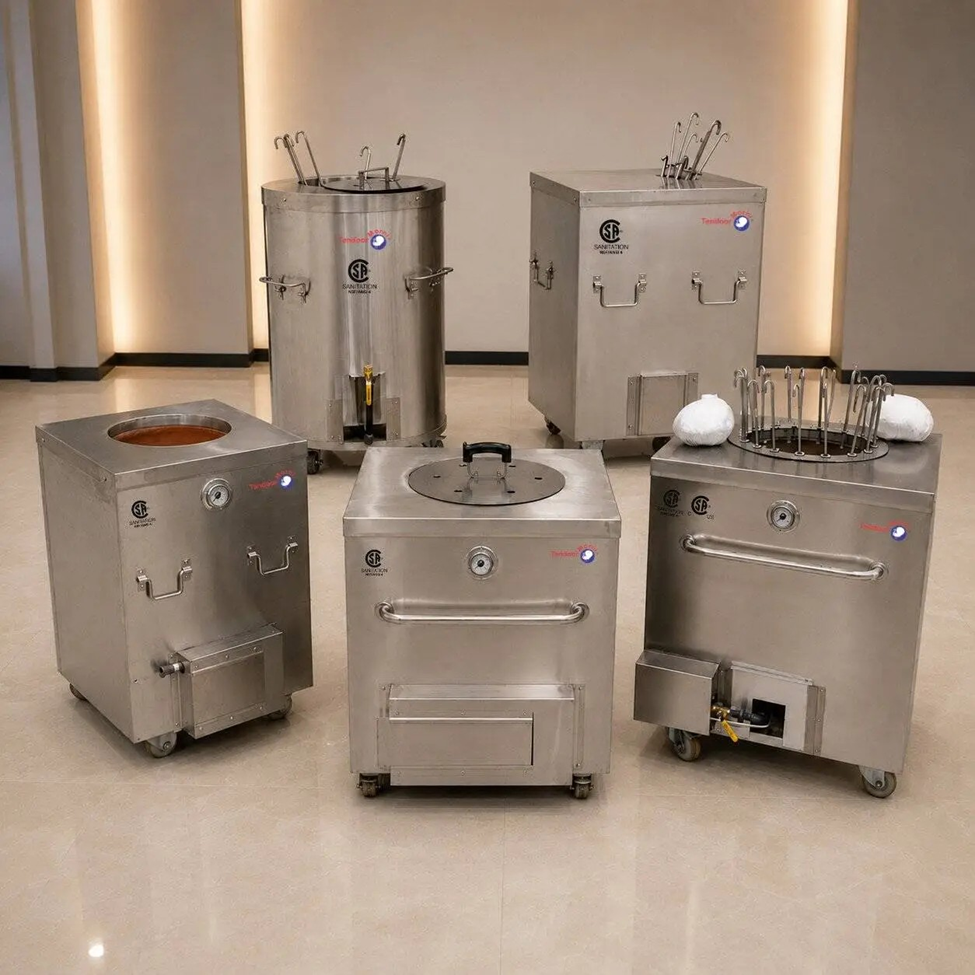
Making the Tandoor Part of an Outdoor Kitchen
A tandoor does not have to replace an existing grill.
Instead, it can complement the equipment already available.
A home cook might use a pellet grill for slow-smoked meat and a tandoor for fresh naan. Someone with a kamado could use it for long cooks while using the tandoor for high-temperature kebabs and flatbreads.
This approach makes backyard tandoor cooking another tool in a larger outdoor cooking setup.
It also allows families to experiment without changing the way they already enjoy grilling.
The tandoor simply adds another cooking method.
The Social Side of Backyard Tandoor Cooking
Outdoor cooking is often as much about gathering people as it is about preparing food.
A tandoor can make that experience even more interactive.
Watching naan being shaped and placed into a hot oven is more interesting than simply opening a conventional oven door. Seeing skewers being cooked over intense heat creates a sense of theatre.
That makes backyard tandoor cooking a natural fit for weekend gatherings, family dinners, and outdoor parties.
Instead of serving everything at once, cooks can prepare food in batches and bring it directly to the table.
Fresh naan can be served while it is still warm. Kebabs can come straight from the oven. Vegetables can be cooked shortly before serving.
The result is a meal that feels freshly prepared rather than simply reheated.
A New Direction for American Backyard Grilling
The rise of specialized outdoor cooking equipment shows that American home cooks are increasingly interested in techniques from around the world.
Pizza ovens, smokers, kamado grills, and pellet cookers have already changed what people expect from a backyard kitchen. The tandoor is another example of how traditional cooking methods can find a new audience.
For those willing to learn, backyard tandoor cooking combines high heat, hands-on preparation, and a wide range of possibilities.
It can introduce home cooks to naan, kebabs, tandoori chicken, roasted vegetables, and countless other recipes while adding another dimension to outdoor entertaining.
The best part is that the tandoor does not require abandoning familiar grilling traditions.
It simply offers another way to cook.
Bringing the Tandoor Home
For serious backyard cooks, home tandoor ovens represent more than another appliance. They offer a chance to explore a traditional cooking technique while adapting it to the American outdoor kitchen.
The learning process can be rewarding, especially for people who already enjoy experimenting with smokers, grills, and specialty ovens.
With practice, the intense heat of the tandoor becomes a tool for creating crisp breads, charred vegetables, flavorful kebabs, and tender meats.
And with the right tandoor oven accessories, preparation can become easier and more organized.
Ultimately, backyard tandoor cooking is about expanding what is possible outdoors. It brings together tradition, fire, technique, and social cooking in a format that fits naturally into the modern American backyard