

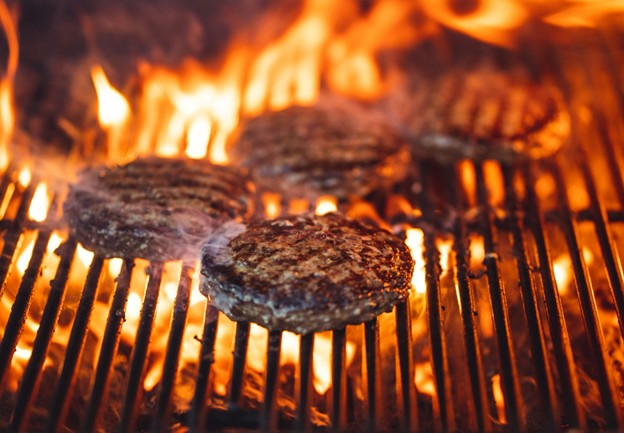

Backyard Mince Dinner That Worked Better on a Kiwi Grill
Some meals are too simple to overthink. Mince, a grill, a bit of seasoning, something you throw together outside while the heat builds and the day slows down. But every now and then, a version of that meal lands differently.

That happened in New Zealand. Same idea you’d use anywhere, shape the mince, grill it, keep it loose, but the way it cooked felt cleaner, quicker, and oddly more cooperative. It wasn’t about technique. It was the starting point.
And once you notice that, you end up trying to recreate it later, just to see how close you can get.
What Makes a Mince Grill Dinner Actually Work
Cooking mince on a grill is one of those things that seems foolproof until it isn’t.
The structure matters. Fresh mince holds together without needing extra ingredients. Older or tightly packed mince tends to break, tighten, or release too much liquid.
Fat content plays a role too. Too lean and it dries out. Too fatty and you’re dealing with flare-ups and uneven cooking. Somewhere in the middle is where it works best.
And then there’s handling. The more you mix or compress mince, the more it turns dense. The best results usually come from doing less, not more.
That becomes obvious quickly when you’re cooking over open heat where everything is exposed.
The New Zealand Experience and the Recipe That Came Out of It
Where the Mince Came From
The starting point in New Zealand was ordering Premium mince from The Meat Box.
What stood out wasn’t just freshness, it was how the mince behaved before it even hit the grill. It wasn’t overly compacted. It didn’t feel wet or sticky. It held shape without needing anything added to it.
New Zealand’s approach to meat production plays into that. A lot of beef is grass-fed by default, and supply chains are shorter. There’s also a stronger push toward reducing waste, which means the product moves faster and spends less time sitting in storage.
That shows up in ways you notice immediately when cooking.
The Kiwi Backyard Mince Patties
This is what we ended up doing, nothing complicated, just a method that worked so well it didn’t need adjusting.
- Start with the mince straight from the fridge, but let it sit out for about ten minutes so it’s not completely cold.
- In a bowl, gently break it apart with your hands. Don’t mix it like dough. Just loosen it.
- Add a good pinch of sea salt, freshly ground black pepper, and one grated garlic clove. That’s it. No egg, no breadcrumbs, no extras trying to fix something that isn’t broken.
- Lightly fold it together once or twice, just enough to distribute the seasoning.
- Shape into patties, but keep them loose. Think “holding together” rather than “pressed into submission.” Slightly flatten them so they cook evenly, but don’t compact them.
- Preheat the grill to medium-high. Not screaming hot, just steady heat.
- Place the patties down and leave them alone for a few minutes. This is the part most people mess with too much. Let them form a crust naturally.
- Flip once. Maybe twice if needed, but no constant turning.
- Total cooking time lands around 6 to 8 minutes depending on thickness.
What happens here is the interesting part. The patties stay juicy without leaking all over the grill. They hold their shape without tightening up. The outside gets a proper sear while the inside stays soft.
We served them in soft buns with sliced tomato, lettuce, and a quick yogurt and mustard mix. Nothing fancy, because it didn’t need it.
Why It Worked So Easily There
The main difference was how little correction the cooking needed.
The mince didn’t release excess water, so the grill stayed consistent. There were fewer flare-ups. The patties didn’t crack or shrink unpredictably.
New Zealand’s system leans heavily on freshness and efficiency. The country’s economy is closely tied to agriculture, so there’s a built-in focus on moving product quickly and minimizing waste.
That translates into meat that behaves more predictably in the kitchen. It’s not just about taste, it’s about structure.
Repeating It Back Home and What Changed
Same Recipe Different Result
Back in the United States, the same exact process was used. Same seasoning, same shaping, same grill setup. It still worked. The patties were good. But the process felt slightly more hands-on.
The mince needed a bit more care when shaping. It felt denser. On the grill, there was more fat dripping, which led to occasional flare-ups.
Cooking time stretched slightly, and there was a bit more flipping involved to keep things even. The end result was still solid, just not as effortless.
Where the Gap Shows Up
The difference comes down to how long the mince has been sitting and how it’s been handled before you buy it.
In larger supply chains, mince can spend more time packaged and stored. That affects moisture and texture, which then affects how it cooks.
It doesn’t ruin the meal, but it changes how much attention it needs. Once you’ve cooked with very fresh mince, it becomes easier to notice those small differences.
Why Freshness Changes Simple Recipes the Most
Complex dishes can hide inconsistencies. Sauces, spices, long cooking times, they all smooth things out. Simple meals don’t.
With something like grilled mince patties, the ingredient is doing most of the work. If it’s fresh and balanced, the cooking becomes easier. If not, you compensate.
Fresh mince holds together better, cooks more evenly, and keeps moisture without needing additions. That’s not a subtle shift. It shows up immediately.
The Quiet Case for Ordering Meat Differently
One of the bigger takeaways from that experience wasn’t the recipe itself, it was how the ingredient was sourced.
Ordering directly, instead of picking something that’s been sitting on a shelf, changes the starting point. It shortens the time between processing and cooking. That’s something more people are starting to pay attention to, not as a trend, but as a practical improvement.
You don’t always know how long packaged mince has been sitting. With direct delivery, that gap tends to be smaller. And when the recipe is simple, that gap matters more.
Bringing It Back to the Grill
The recipe didn’t change between New Zealand and home. The grill didn’t change much either. What changed was how much the ingredient helped or resisted the process.
In New Zealand, it felt like the mince did most of the work. Back home, it required a bit more input. Both versions worked. One just felt easier.
And that’s usually the difference with simple food. When the ingredient is right, you end up doing less, not more.