

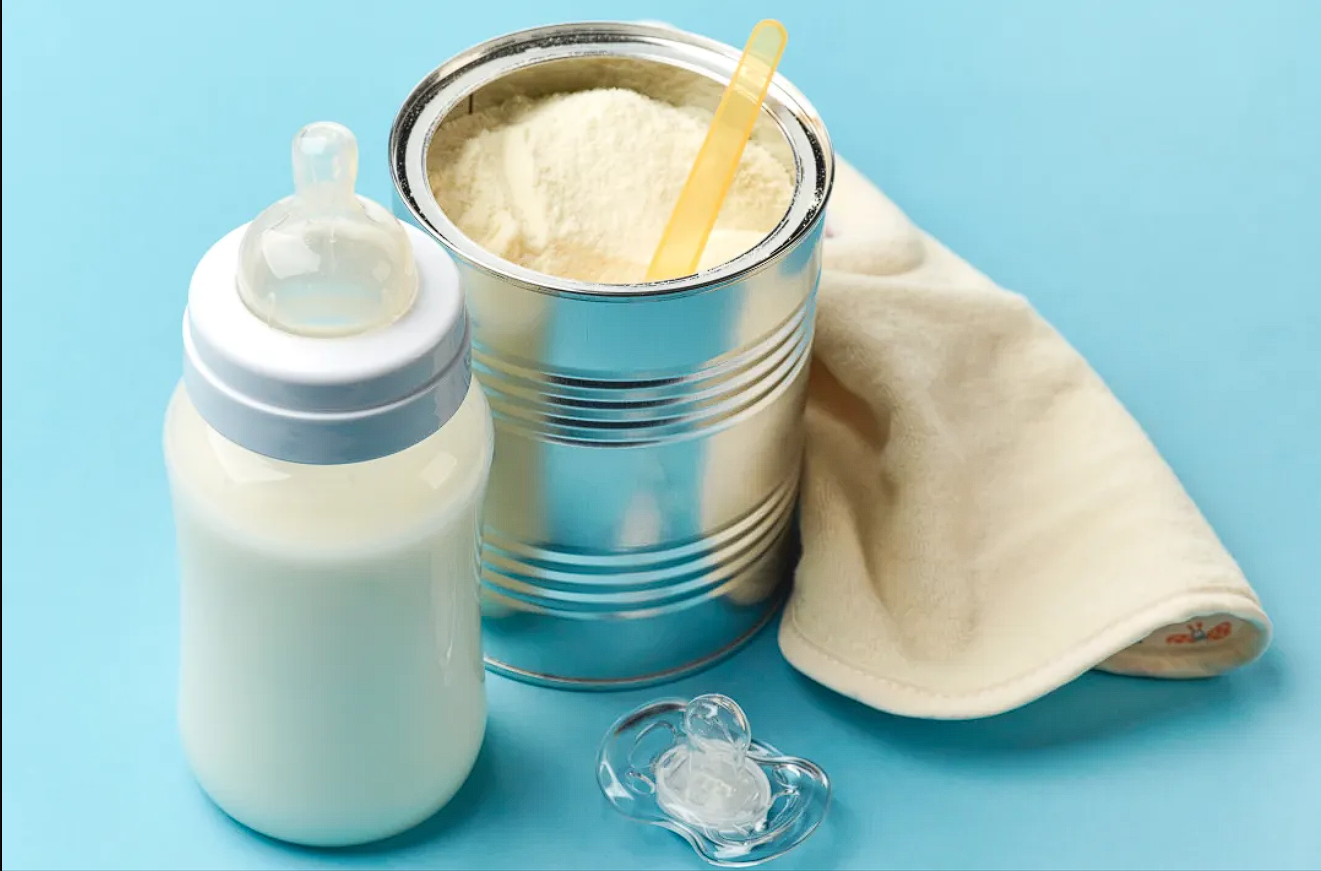

Understanding Baby Milk Options for Optimal Nutrition
When you begin looking into baby milk, the sheer variety can be overwhelming. Manufacturers have spent decades researching human breast milk to replicate its complex protein, fat, and vitamin profile. In 2026, parents have access to highly specialized options tailored to every digestive need.
● Cow's Milk-Based Formula: This is the standard for most infants. The milk is treated to make the protein more digestible and is fortified with lactose, vegetable oils, and essential nutrients, such as iron.
● Soy-Based Formula: Often used for babies with rare hereditary conditions or for families seeking a vegan lifestyle, though it should only be used under medical supervision.
● Hydrolyzed (Hypoallergenic) Formula: In these formulas, the proteins are broken down into smaller pieces. This makes it a top choice for babies with a high risk of allergies or milk protein sensitivities.
● Goat's Milk Formula: A popular alternative that some parents find easier on their baby's stomach compared to traditional cow's milk options.
Addressing Concerns: Is Formula Bad for Babies?
Many new parents feel a sense of guilt or worry when they consider alternatives to breastfeeding. One of the most common questions searched online is: Is formula bad for babies? The short and definitive answer is no. Modern infant formula is the most highly regulated food product in the world.
For those seeking the highest quality standards, many parents turn to HiPP organic baby formula, renowned for its strict adherence to European organic regulations and its lack of synthetic additives.
● Nutritional Completeness: To address the fear that formula is bad for babies, remember that these products are fortified with DHA, ARA, and prebiotics. These ingredients are specifically included to support brain development and gut health.
● Consistent Growth: Research shows that babies fed with high-quality baby milk meet all their developmental milestones at the same rate as breastfed infants.
● Safe Ingredients: Regulatory bodies such as the FDA and EFSA ensure the formula contains no harmful levels of heavy metals or contaminants, making it a safe primary source of nutrition.
● Mental Health Benefits: Sometimes, the best thing for a baby is a healthy, rested parent. Formula feeding allows for shared responsibilities, which can reduce the risk of postpartum depression for the primary caregiver.
A Complete Guide to Formula Feeding Newborn
If you have decided to formula-feed your newborn, the first few weeks are all about establishing a routine and ensuring safety. Unlike older infants, newborns have tiny stomachs and need small, frequent feedings to stay hydrated and energized.
● Sterilization is Key: Before the first use, all bottles, nipples, and rings must be sterilized. This prevents the growth of bacteria that a newborn's immune system isn't yet ready to handle.
● Feeding Cues: Don't wait for your baby to cry. Look for "early" hunger cues like rooting, sucking on hands, or smacking lips. This makes formula feeding newborn babies much calmer for both parties.
● The "Pace" Method: Hold the bottle horizontally so the baby has to suck to get milk, rather than have it just pour in. This prevents overfeeding and mimics the natural flow of breastfeeding.
● Burping Frequency: Newborns swallow air during feeds. Make it a habit to burp your baby halfway through the bottle and again at the end to prevent gas pain and fussiness.

How to Approach Choosing a Formula for Your Baby
When choosing a formula, you aren't just picking a brand; you are choosing a nutritional foundation. Every baby is different, and what works for your friend's child might cause gas or discomfort for yours.
● Consult Your Pediatrician: Always speak with a doctor before choosing a formula. They can help identify if your baby needs a "gentle" version or a specific iron-fortified blend.
● Read the Ingredient Label: Look for lactose as the primary carbohydrate source rather than corn syrup, as this more closely mimics the natural sugars found in human milk.
● Consider Your Budget: Once you start formula feeding from birth, the costs add up. Ensure the brand you pick is one you can afford to buy consistently, as switching brands frequently can upset a baby's stomach.
● Availability: Make sure the formula is easy to find in your local stores or available for reliable shipping. Running out of baby milk in the middle of the night is a stress no parent wants to face.
Liquid or Powder Formula: Pros, Cons, and What to Pick
The final practical decision involves the format of the food. When deciding between a liquid and a powder formula, weigh convenience against cost and storage requirements.
● Powdered Formula: The most common and economical choice. It has a long shelf life once opened (usually 30 days) but requires careful measuring and mixing with sterile water.
● Ready-to-Feed Liquid: This is the most convenient option as no mixing is required. It is sterile and perfect for travel, but it is the most expensive and must be used within 48 hours once opened.
● Liquid Concentrate: A middle ground between the two. You mix equal parts water and concentrate. It is easier to mix than powder but more affordable than ready-to-feed.
● Safety Considerations: For the first two months of formula feeding, many doctors recommend liquid options because they are commercially sterile, whereas powder can occasionally contain traces of bacteria.
Ultimately, the choice between liquid and powder formulas depends on your lifestyle. Many families use powder at home and keep a few bottles of ready-to-feed in the diaper bag for emergencies.
Feeding your child is one of the most intimate acts of parenting. Whether you are choosing formula out of necessity or preference, know that you are providing the fuel your baby needs to explore, learn, and grow.
By understanding the different types of baby milk, mastering the art of formula feeding from birth, and choosing between liquid or powder formula based on your needs, you are setting a strong foundation. The most important ingredient in any bottle is the love and care provided by the parent holding it.