

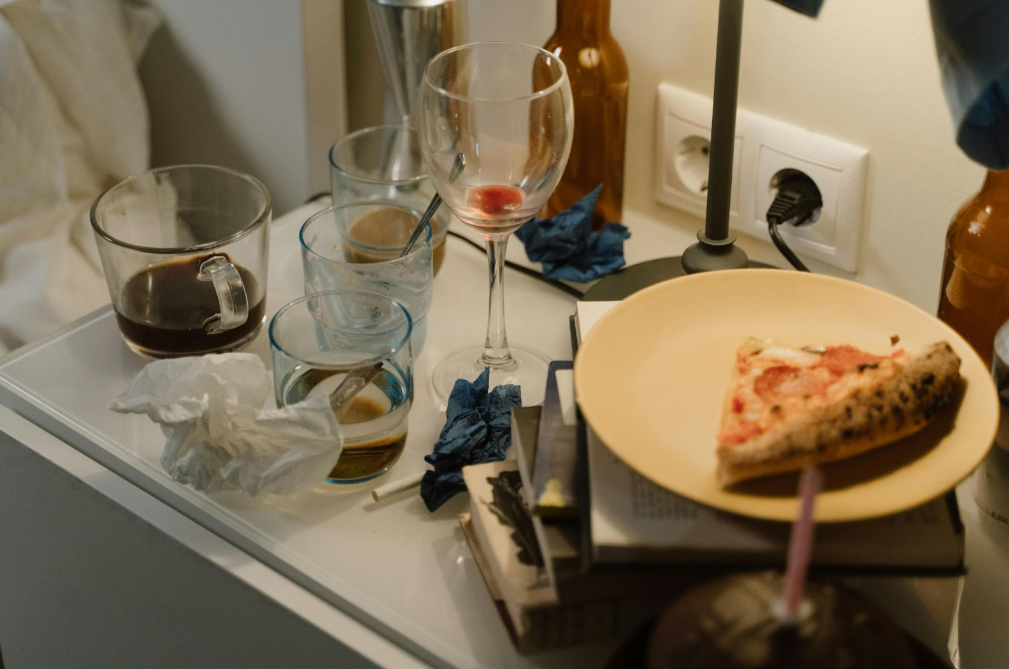

If you want tomorrow’s cooking to feel easier, faster, and more creative, what you do after dinner matters. A few intentional habits can reduce stress, cut prep time, and keep your kitchen running like a calm, well-organized space. The result shows up the next day when everything feels ready before you even start.
Most home cooks focus on what happens during a meal, not after it. That gap creates friction the next day, especially when time is tight, and ingredients feel scattered. A short, consistent evening routine can quietly set you up for better meals without adding extra effort.
1) Do A 10-Minute Kitchen Reset
A quick reset keeps the kitchen from becoming overwhelming. Ten minutes is enough to clear surfaces, handle the essentials, and give yourself a fresh starting point. Focus on the small actions that create the biggest impact:
- Wipe down counters and the stovetop to remove grease and crumbs.
- Load or start the dishwasher so you have clean tools in the morning.
- Put away stray ingredients that didn't make it back to the pantry.
- Reset dish towels and sponges so they are dry and ready.
- Take out the trash or compost to keep the air fresh.
A clean space lowers friction when you return to cook again. You spend less time cleaning and more time actually making food.

2) Hydrate And Reset Your Body
Cooking energy is not only about ingredients; your physical state plays a major role in how focused and creative you feel at the stove. A simple evening reset supports better rest and sharper focus the next day.
Some cooks incorporate specialized wellness habits into their wind-down, such as using Mito Red Light therapy to support recovery and relaxation after a long day on their feet. Taking a moment to stretch your shoulders, drink a full glass of water, and breathe deeply ensures you show up to the kitchen tomorrow with clarity rather than fatigue.
3) Prep A Simple "Mise En Place" For Tomorrow
Thinking one step ahead reduces decision fatigue. Even minimal prep can turn a rushed evening into a smooth cooking session. Set yourself up with a few quick tasks:
- Chop onions or garlic and store them in airtight containers
- Measure out dry ingredients for planned baking or grains
- Portion proteins and start a marinade overnight
- Rinse and dry hearty herbs like rosemary or thyme
- Place key ingredients together on one eye-level shelf in the fridge
Small preparation steps remove hesitation the next day. You walk into the kitchen with momentum already built.
4) Choose A Light, Sleep-Friendly Snack
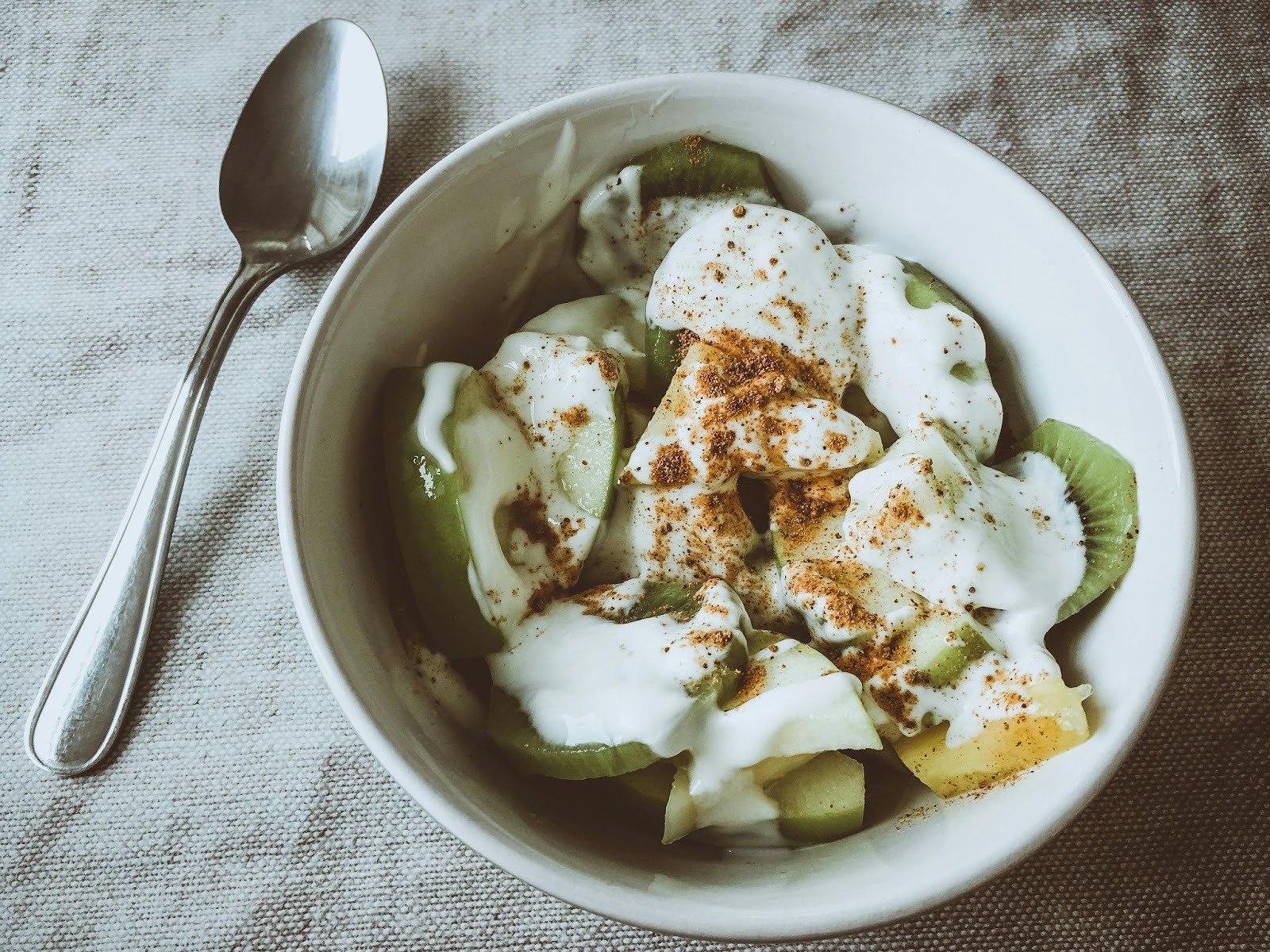
Late-night eating can affect how you feel the next morning. A balanced, light snack supports recovery without weighing you down or causing sluggishness. Good options tend to be simple and easy to digest:
- Greek yogurt with a drizzle of honey.
- A small handful of walnuts or almonds.
- Whole-grain toast with a thin layer of nut butter.
- A banana with a pinch of cinnamon.
Keeping it light helps maintain steady energy. You wake up ready to cook instead of feeling "heavy" from the night before.
Leave Yourself A Clear Starting Point
The final habit ties everything together. When you finish your evening routine, set up a clear "first step" for tomorrow. That small visual cue reduces hesitation. You walk into the kitchen tomorrow and begin your next culinary creation without overthinking.